Entertainment news and discussion on TalkFuse.
The Most Chilling Details About V for Vendetta’s Future
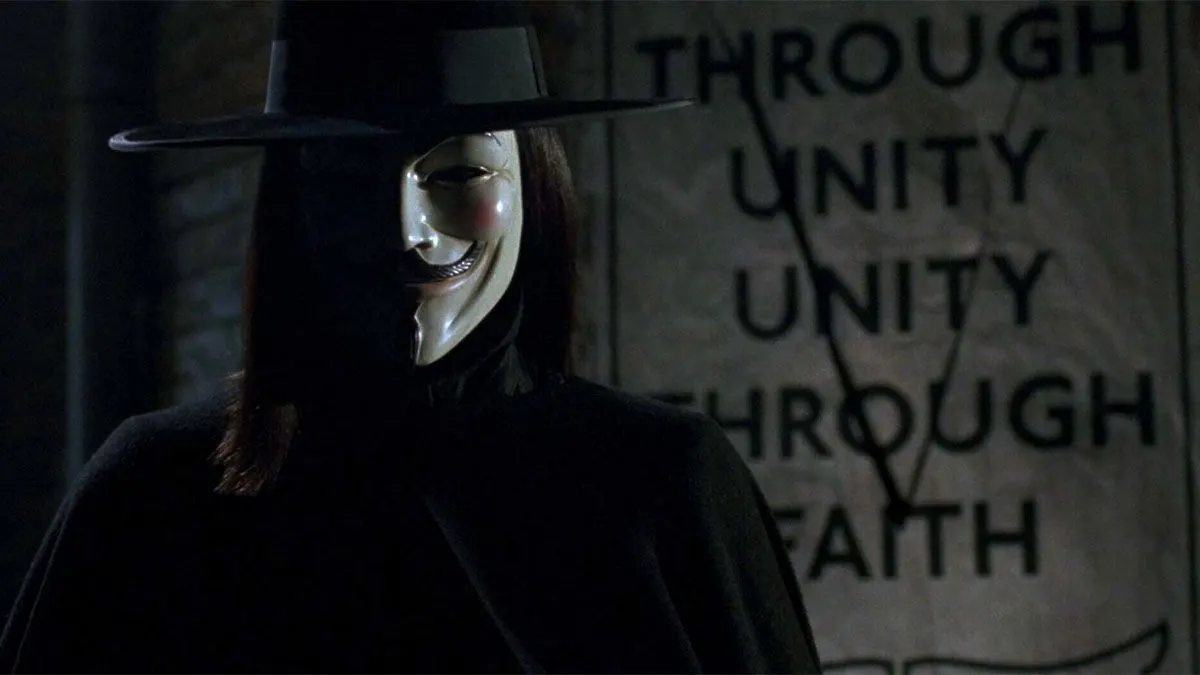
Director James McTeigue says the authoritarian themes in *V for Vendetta* remain relevant, as the film’s fears of otherness, immigration and endless war echo across different political periods. The film is returning to cinemas for its 20th anniversary, prompting renewed attention to how its imagined regime resembles familiar forms of state control.
The Wachowskis began adapting Alan Moore and David Lloyd’s graphic novel in the 1990s; an early screenplay ran to 170 pages before later drafts narrowed the story. McTeigue and production designer Owen Paterson built a totalitarian London through details such as citizens’ homes displaying the leader’s image, propaganda slogans and digital curfew notices. The film’s hidden collections of art also suggest how authoritarian rule can suppress minority voices and remove works deemed objectionable.
In short
- *V for Vendetta* returns for its 20th anniversary.
- James McTeigue says its authoritarian themes still resonate.
- Background details show how the film’s regime controls public life and culture.
Explained simply
V for Vendetta began as a graphic novel by Alan Moore and David Lloyd, later adapted for film by the Wachowskis. It is set in a future Britain ruled by an authoritarian government, where a masked figure called V challenges the regime and Evey, a young woman, becomes caught up in his actions.
The film’s version of London is shaped by surveillance, propaganda and restrictions on everyday life. Its setting draws attention to how governments can use fear of outsiders and conflict to justify control, and how censorship can limit which people and ideas are heard.