STEPHEN DAISLEY: ‘John Swinney has opinions on Gaza, Israel, Russia, Iran and Europe… but not on the North Sea’
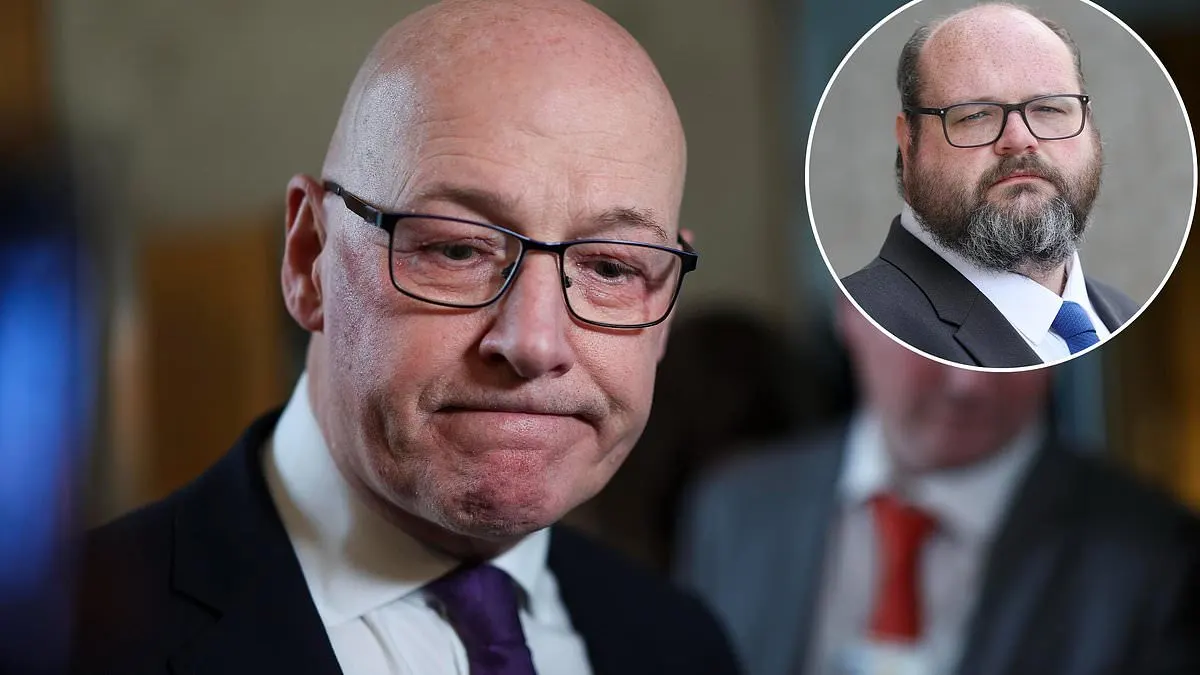
At Holyrood, opposition leaders pressed First Minister John Swinney to say whether he supports approving the Rosebank oil field, after Westminster approved drilling at Jackdaw. The article argues that Swinney repeatedly avoided giving a direct answer, drawing criticism over his stance on North Sea oil and the jobs tied to the industry.
Swinney described the decision as a “quasi-judicial process” and referred back to his earlier response when Conservative leader Russell Findlay asked him three times for a yes-or-no position. Findlay said 1,000 North Sea jobs were being lost each month; Swinney countered by citing the previous UK government’s energy profits levy. The debate also touched on climate policy, a proposed frequent-flier tax that the article says could raise £50 million, and a claimed 1.3 per cent real-terms reduction in Scottish Government funds.
In short
- Swinney declined to give a direct yes-or-no view on Rosebank.
- Findlay cited 1,000 North Sea job losses each month.
- The debate covered energy policy, climate measures and Scottish funding.
Steelman: both sides, in good faith
The strongest fair case each way — we don't pick a winner.
The case for
Supporters of approving Rosebank could argue that the North Sea remains important for skilled jobs, energy security and public revenue, and that domestic production may reduce reliance on imports while the transition to cleaner energy continues. They may see a clear position from Swinney as necessary to give workers and businesses certainty, especially amid reported job losses and pressure on public finances.
The case against
Opponents could argue that approving new oil and gas development risks locking in emissions and undermining climate commitments, while investment and policy should instead speed the shift to cleaner energy and support affected workers. They may also consider it reasonable for a first minister to avoid prejudging a quasi-judicial decision, whose assessment should be made through the established process rather than political pressure.
Explained simply
The North Sea oil and gas industry supports jobs and supplies energy, while drilling also contributes to greenhouse gas emissions. Rosebank and Jackdaw are proposed or developing offshore oil and gas fields; decisions about whether they can proceed involve UK government approvals and environmental rules.
John Swinney is Scotland’s First Minister and leads the Scottish Government at Holyrood, Scotland’s parliament. Energy policy is shared between the Scottish and UK governments, so decisions about offshore licences can involve both, while Scotland’s government also sets some climate and tax policies.
The debate matters because Scotland faces choices about employment, energy supply and its climate targets. Political parties differ over how quickly to reduce reliance on oil and gas, and how to manage the effects on workers and public finances.
Europe Government Middle East Politics World