Culture news and discussion on TalkFuse.
Making Gears of War: E-Day an Xbox console exclusive hasn’t helped Microsoft, analyst finds
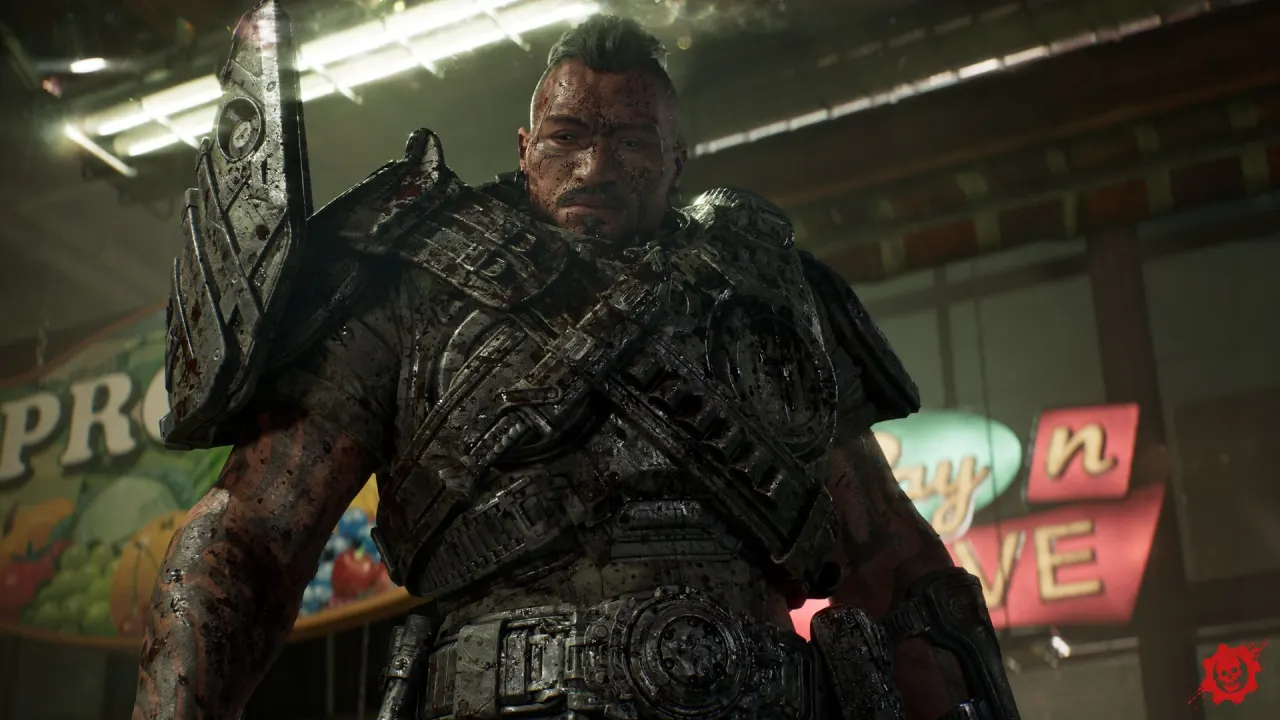
Gears of War: E-Day being an Xbox console exclusive has not reversed the platform’s declining hardware sales, according to Circana analyst Mat Piscatella. He says the exclusivity announcement has had no measurable effect on Xbox’s sales trend, raising questions about whether major exclusive games can still attract buyers to the console.
Piscatella says UK Xbox sales fell 22% in October, while US data showed no sales uplift. By comparison, PlayStation 5 sales in September were higher than a year earlier, with Marvel’s Wolverine, a console bundle and a new DualSense controller contributing. He also says removing Call of Duty from day-one Game Pass led to a loss of Xbox engagement without a clear benefit, and that he has yet to see positive results from Microsoft’s recent initiatives.
In short
- Gears of War: E-Day exclusivity did not lift Xbox sales.
- UK Xbox sales fell 22% in October.
- An analyst says Xbox is losing engagement without clear gains.
Steelman: both sides, in good faith
The strongest fair case each way — we don't pick a winner.
The case for
A console exclusive can still be a sound strategy if it gives players a distinctive reason to choose Xbox and helps build a loyal audience over time. The lack of a measurable sales lift so far may reflect broader market conditions, timing or the limits of one announcement, rather than proof that exclusives no longer matter.
The case against
If Xbox hardware sales continue to decline and the announcement has produced no measurable uplift, exclusivity may be failing to persuade enough players to buy the console. Microsoft may get more value from making its games available across platforms, while reassessing Game Pass and other initiatives whose costs have not yet shown clear returns.
Explained simply
Gears of War is a long-running series of action games made by Microsoft-owned studios. E-Day is a forthcoming entry in the series. Xbox is Microsoft’s gaming console, while PlayStation is made by Sony; games released only on one console are often intended to make that system more appealing to buyers.
Circana tracks video game sales, and Mat Piscatella is one of its analysts. Console makers also compete through games, hardware bundles and subscription services such as Game Pass, which gives members access to a library of games. How well these offers attract players and console buyers matters to Microsoft and Sony as they compete in the gaming market.
Art Culture Entertainment Gaming