Culture news and discussion on TalkFuse.
Bipartisan pair of Senators press Kalshi, Polymarket over election markets
Developed over time first seen 2 weeks ago
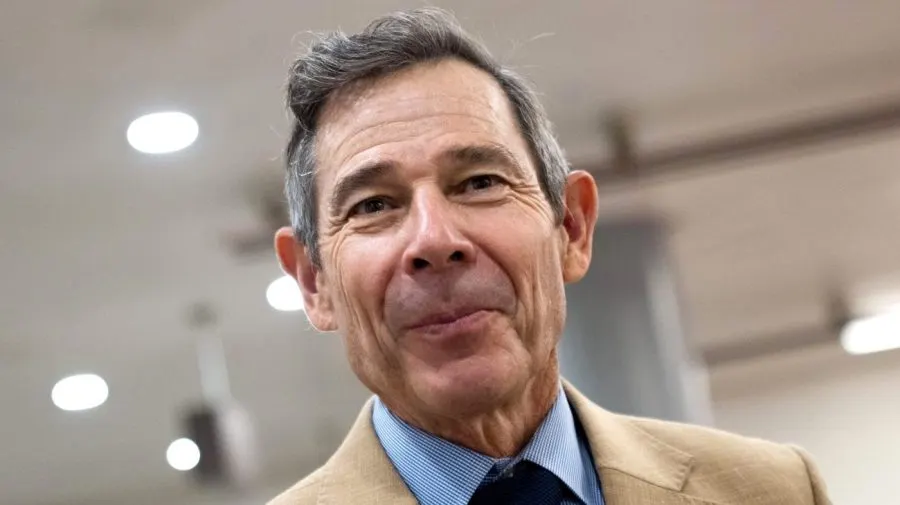
US senators Elizabeth Warren, a Democrat, and John Curtis, a Republican, have asked Kalshi and Polymarket to explain how they protect markets tied to the November 2026 midterm elections. In a letter dated 28 October, they sought details of safeguards against insider trading, the use of confidential campaign information and market manipulation. They also questioned whether published market odds could affect voters’ understanding of a race, and asked the companies to respond by 3 November, election day.
The senators pointed to candidates who had traded on their own races on Kalshi and to reported trading patterns on Polymarket that researchers said could indicate artificial volume. Those examples raise concerns, but do not establish how widespread misconduct is. Warren and Curtis asked how the platforms screen people with privileged information, detect trading through other accounts, investigate suspicious activity and refer cases to regulators. They also requested evidence that the companies’ surveillance systems have been independently assessed.
- Sources
- 2
- Outlets
- 2
- Left · Centre · Right
- 0 · 1 · 0
In short
- Two senators want answers on safeguards for election markets.
- Their letter cites candidate trading and suspected artificial volume.
- Kalshi and Polymarket were asked to respond by 3 November.
How this story developed
- 2 weeks ago US senators Elizabeth Warren, a Democrat, and John Curtis, a Republican, have asked Kalshi and Polymarket to explain how they protect markets tied to the November 2026 midterm elections.
- The Hill Bipartisan pair of Senators press Kalshi, Polymarket over election markets
- US Senators John Curtis and Elizabeth Warren Letter to Kalshi and Polymarket on election-related prediction markets
Steelman: both sides, in good faith
The strongest fair case each way — we don't pick a winner.
The case for
Election markets can turn private information and financial incentives into risks for voters and fair competition, especially if candidates trade on their own races or activity creates misleading odds. The senators’ questions are a reasonable call for transparency about safeguards, independent assessments and referrals to regulators, so the public can judge whether these markets are being monitored effectively.
The case against
Prediction markets may aggregate dispersed information and offer a useful signal about electoral uncertainty, while suspicious-looking trades alone do not establish widespread misconduct. Their operators could argue that existing surveillance and regulatory processes are better assessed through clear, evidence-based questions than assumptions that election markets are inherently harmful, and that market odds should not be treated as definitive forecasts.
Explained simply
Prediction markets let people buy and sell contracts whose value depends on the outcome of an event, such as an election. Kalshi and Polymarket are two platforms that offer markets linked to political races; the prices can be read as implied odds, though they are not guarantees of what will happen.
Election markets raise questions about who may trade and what information they can use. Candidates or campaign insiders could have access to information that other traders do not, while coordinated trades or misleading activity could distort prices. Rules and oversight can differ between platforms and markets, so safeguards and regulators matter.
Published odds may also shape how people perceive a close race, even though they are not the same as opinion polls or election results. How these markets are monitored therefore matters to traders, voters and officials assessing whether the information is reliable and the trading is fair.
Coverage · 2 sources
Americas Art Business Culture Elections Geopolitics Markets Politics World