Badger predation may be driving Britain’s hedgehog decline, article argues
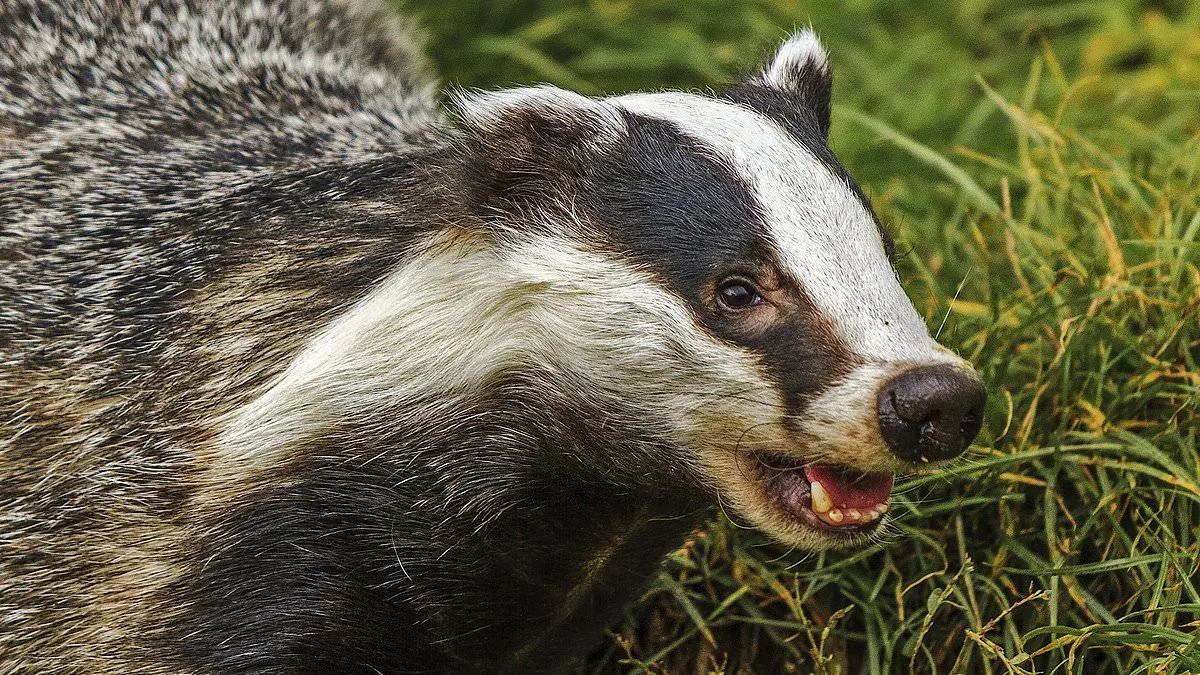
The article argues that badgers are the main reason Britain’s hedgehog numbers have declined, challenging the more commonly cited causes of traffic, pesticides and habitat loss. It says the issue matters because hedgehogs are popular garden visitors and eat pests, while arguing that conservation debate has overlooked evidence of predation by badgers.
The article says hedgehog numbers may have roughly halved, with most of the decline occurring since the 1990s; it disputes the often repeated claim that they have fallen by 97 per cent. It points to Kew Gardens, where hedgehogs disappeared as badger numbers rose, and reports 50 to 75 badgers living in 35 to 40 setts across its 300 acres. The account presents these patterns as evidence for its argument, while acknowledging that roads, pesticides and habitat changes can also affect hedgehogs.
In short
- The article identifies badgers as the main driver of hedgehog decline.
- It says hedgehog numbers may have roughly halved, not fallen 97 per cent.
- Kew Gardens is cited as a local example of the pattern.
Steelman: both sides, in good faith
The strongest fair case each way — we don't pick a winner.
The case for
Badgers are known predators of hedgehogs, and the reported disappearance of hedgehogs at Kew as badger numbers rose is consistent with predation contributing substantially to local declines. If population estimates have overstated the national fall, conservation priorities may need revisiting; understanding predator impacts could help protect hedgehogs alongside efforts to address roads, pesticides and habitat change.
The case against
The Kew pattern is a local association and does not by itself show that badgers caused Britain-wide declines; other changes at the site or in hedgehog counts could also explain it. Roads, habitat loss and pesticides can affect hedgehogs across many places, so focusing on badgers risks overstating one cause and diverting attention from broader pressures without stronger national evidence.
Explained simply
Hedgehogs and badgers are both native mammals found across Britain. Hedgehogs eat insects and other small creatures, while badgers are larger and may prey on hedgehogs; both depend on suitable places to feed and shelter.
Hedgehog numbers are thought to have fallen substantially since the 1990s, though estimates vary. Roads, changes to gardens and farmland, and pesticides are among the factors often discussed, alongside predation by badgers.
The debate matters to conservationists deciding how best to protect hedgehogs, which are familiar in gardens and play a role in controlling some pests. Evidence from particular places can show how the animals’ numbers change together, but does not on its own establish the cause of a wider decline.
Read the full article at the source →
Originally published by Daily Mail as “The ruthless black and white menace that’s the real reason you never see Mrs Tiggy Winkle in your garden anymore”.