£11billion black hole through the middle of Healey’s defence vow
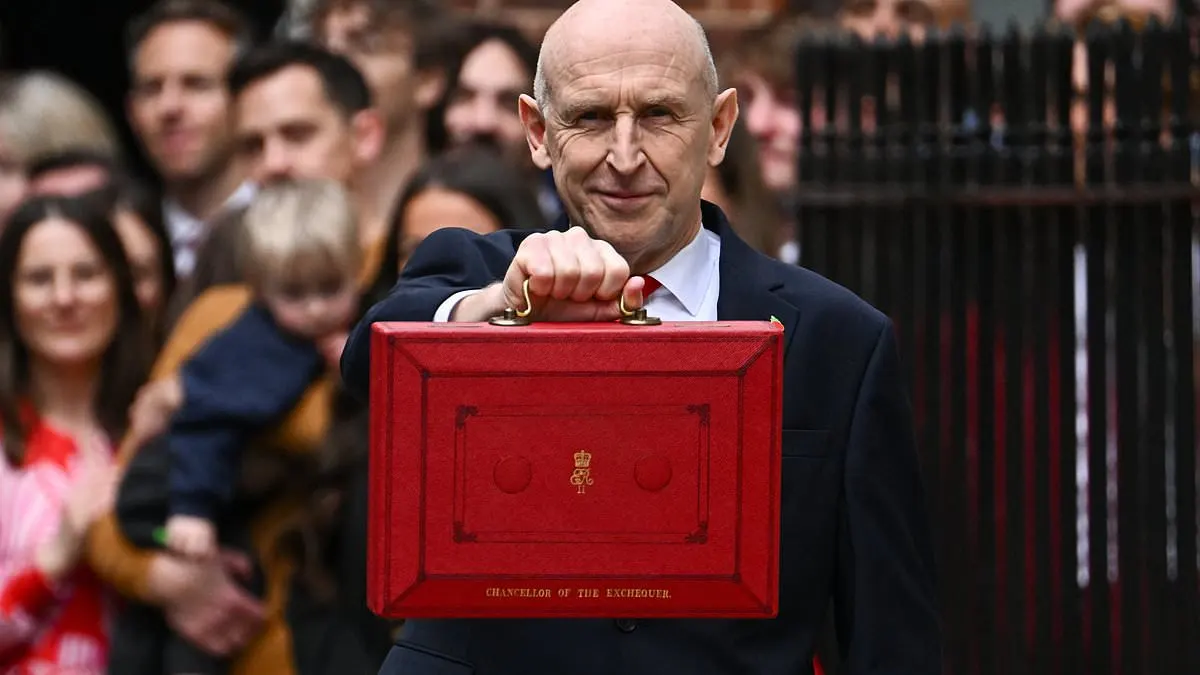
John Healey’s Budget set goals to raise UK defence spending to 3 per cent of GDP by 2030 and 3.5 per cent by 2035, but did not explain how they would be funded. The lack of detail has prompted criticism that the commitments may not be delivered, with opponents and a Labour peer saying the delay risks undermining the Armed Forces.
The IFS estimates the 2030 goal would require an additional £11 billion, while the OBR puts the cost of the 2035 ambition at £35 billion. Defence spending is currently about 2.6 per cent of GDP, and the Government had previously planned for 2.7 per cent by 2030. Healey also plans to use capital reserves to cover a £4.7 billion shortfall in the Defence Investment Plan, a move the IFS director criticised.
In short
- Healey set defence spending targets without explaining how to fund them.
- The IFS says the 2030 goal needs £11 billion more.
- The OBR estimates the 2035 ambition would cost £35 billion.
Steelman: both sides, in good faith
The strongest fair case each way — we don't pick a winner.
The case for
Setting ambitious spending targets can signal a serious response to growing security risks and give the Armed Forces and defence industry a clearer long-term direction. The Government may reasonably want to set the goal first and decide how to fund it through future budgets, where economic conditions and competing priorities can be assessed.
The case against
Targets without a credible funding plan risk remaining promises, while the Armed Forces face immediate pressures and need certainty to plan and procure equipment. Delaying the choices could also leave a substantial gap between the stated ambitions and available resources, and using capital reserves to cover an existing shortfall may weaken confidence in the investment plan.
Explained simply
The Government measures defence spending as a share of the UK’s economic output, known as gross domestic product (GDP). It has set higher targets for that share over the coming years; meeting them would mean increasing the amount spent on the Armed Forces and related programmes.
The Ministry of Defence is responsible for planning and buying equipment, from ships and aircraft to supplies and technology. These long-term projects need funding over many years, so the timing and source of money can affect what the military can deliver.
The Institute for Fiscal Studies (IFS) and the Office for Budget Responsibility (OBR) are independent bodies that assess public finances and government plans. Their cost estimates help show the scale of the funding involved, while decisions on how to raise or allocate that money rest with the Government and Parliament.
Business Economy Europe Geopolitics Government Politics World