Coles lowers earnings outlook as budget-minded shoppers split purchases across retailers
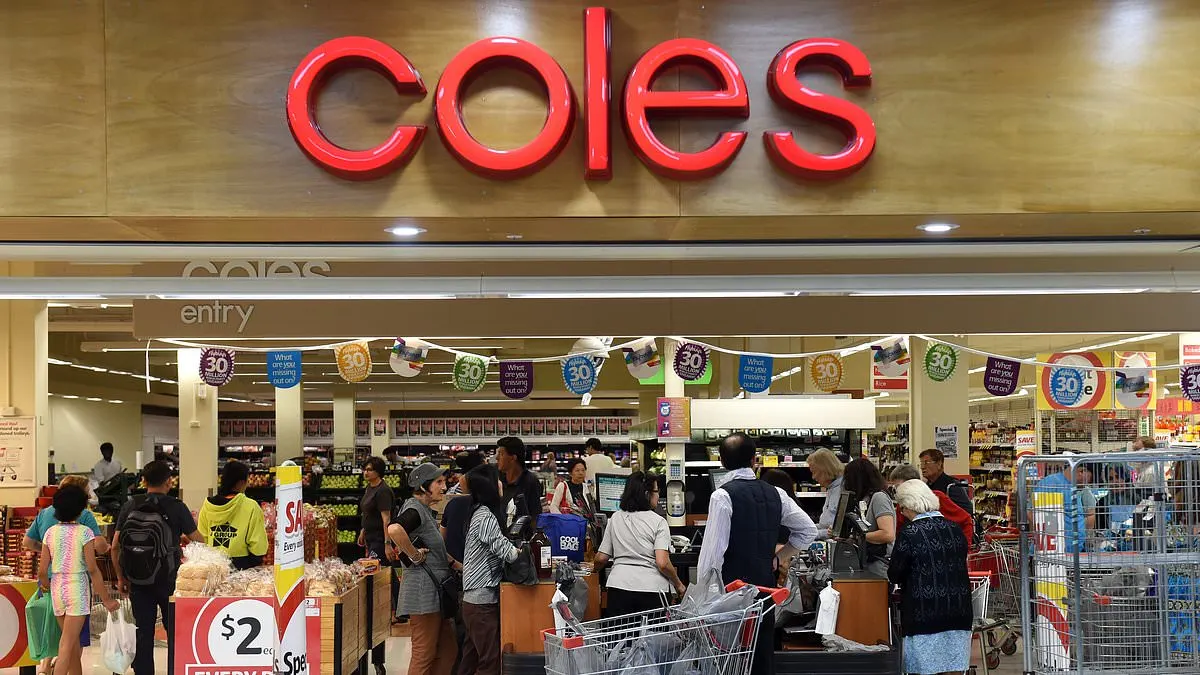
Coles has downgraded its earnings outlook after first-quarter sales fell short of expectations, as price-conscious shoppers spread their purchases across more retailers. Chief executive Leah Weckert said online sales were strong, but the company was unhappy with momentum in its physical supermarkets, where customers were visiting but splitting their shopping between stores.
Group sales rose 2.2 per cent to $11.2 billion in the 13 weeks to 27 September, while supermarket sales, excluding tobacco, increased 3.6 per cent to $10.3 billion. Coles now expects supermarket earnings before interest and tax for the first half to be flat at about $1.2 billion, rather than rising; its shares fell 8 per cent after the update. The company plans to promote its Everyday Value range and lower prices on selected products for at least six months, as supermarket price inflation eased to 1.1 per cent.
In short
- Coles cut its first-half earnings outlook after sales missed expectations.
- Shoppers are splitting purchases across retailers to find lower prices.
- The company plans to promote value ranges and lower prices.
Steelman: both sides, in good faith
The strongest fair case each way — we don't pick a winner.
The case for
Coles can argue that shoppers’ changing habits and slower price inflation make earnings harder to grow, even as sales rise. Keeping prices lower and promoting value may help households manage costs and preserve customer loyalty, while a cautious outlook reflects the weaker in-store momentum.
The case against
Customers and investors can argue that Coles should be judged on whether it offers reliable value and delivers the growth its earlier outlook implied. Shoppers splitting purchases suggests the supermarket is not capturing enough of their spending, and a flat earnings forecast despite higher sales may point to pressure on its performance.
Explained simply
Coles is one of Australia’s largest supermarket chains, selling food and household goods through physical shops and online. Its supermarket business competes with retailers including Woolworths and Aldi, giving shoppers several options for where to buy their groceries.
When household budgets are tight, shoppers may compare prices or buy different items from different retailers. That can make it harder for a supermarket to turn store visits into sales, even when customers continue to come in.
Investors watch Coles’s earnings because they indicate how much profit its business may make. Changes in its outlook can affect its share price and reflect wider pressures on grocery retailers, including competition and changing shopping habits.
Read the full article at the source →
Originally published by Daily Mail as “Coles admits it’s ‘not happy’ as shoppers tighten spending and turn to rivals for cheaper groceries”.