Warning sign for imminent Iran War strikes as top military admiral briefs Trump on attack options… as president’s deadline approaches
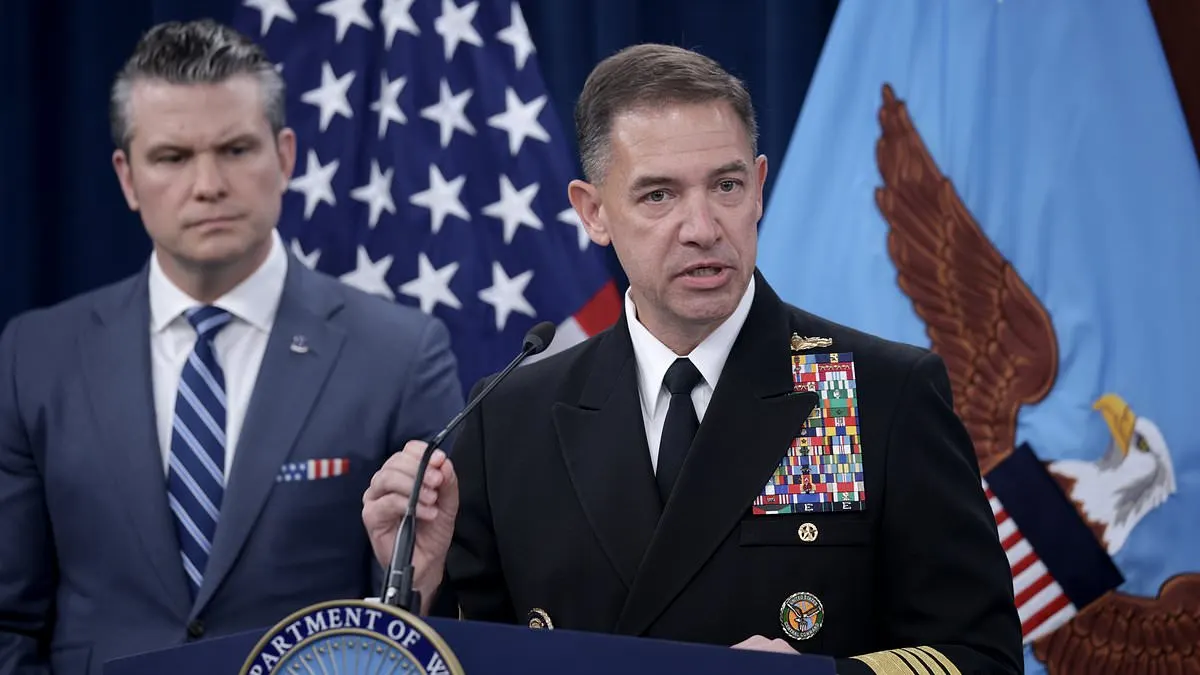
Admiral Brad Cooper, the US commander for the Middle East, has reportedly briefed President Donald Trump on options for renewed attacks on Iran. The meeting comes as Trump considers military action after the 3 November midterm elections, with regional allies warned to prepare for possible strikes and Iranian retaliation.
The White House meeting on Thursday also included Defence Secretary Pete Hegseth and Joint Chiefs Chairman General Dan Caine, and reportedly covered whether to continue the US blockade in the region. US officials have told several Middle Eastern countries that any new action could last several days and urged precautions for possible Iranian strikes on energy sites and other critical infrastructure. The article also reports that Army Lieutenant General Brett Sylvia was removed from a Joint Chiefs strategy post amid an ongoing investigation into alleged leaks of classified information; the Pentagon says CENTCOM, led by Cooper, is responsible for Iran war planning.
In short
- Trump has reportedly received options for renewed strikes on Iran.
- Regional allies were warned to prepare for possible retaliation.
- A senior Pentagon planner was removed amid a leak investigation.
Steelman: both sides, in good faith
The strongest fair case each way — we don't pick a winner.
The case for
Supporters of renewed strikes could argue that a credible military response may deter further Iranian threats and protect US forces, regional allies and critical infrastructure. They may see the briefing and coordination with allies as prudent preparation, giving the president options while signalling that attacks on US or partner interests could carry consequences.
The case against
Opponents could argue that fresh strikes risk escalating into a wider conflict, inviting Iranian retaliation against energy facilities and civilians while placing US personnel and allies in danger. They may favour diplomacy and restraint, contending that military action could deepen regional instability without resolving the underlying disputes.
Explained simply
The United States and Iran have had a long-running dispute over Iran’s nuclear programme, regional influence and US sanctions. The two countries have also faced off through military deployments and regional allies, with periods of direct confrontation.
Brad Cooper leads US Central Command, known as CENTCOM, which oversees American forces across the Middle East and plans for possible military operations there. President Donald Trump sets US policy, while Defence Secretary Pete Hegseth and the chairman of the Joint Chiefs of Staff, General Dan Caine, advise on military matters.
Any renewed US attacks could prompt Iranian retaliation, putting military forces and sites such as energy infrastructure at risk across the region. The reported planning also comes amid a US blockade and an investigation into alleged leaks of classified information, issues that could shape military decisions and regional preparations.
Americas Government Middle East Politics World