UK raises tax-free allowance on side-hustle income to £3,000 in 2027
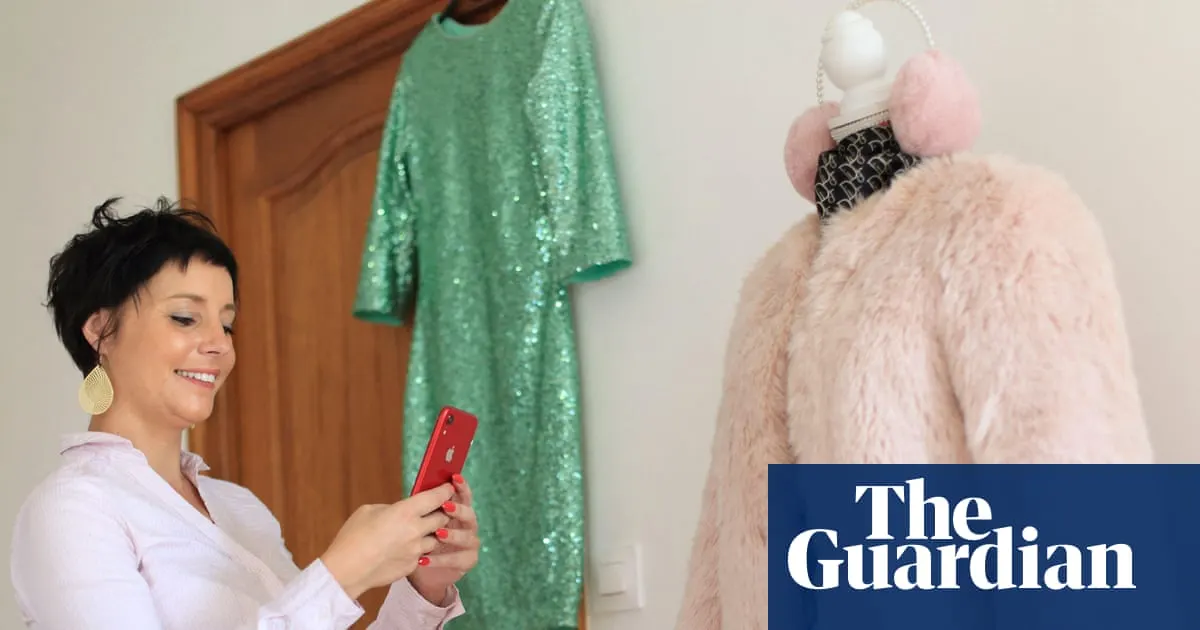
The UK will raise the annual tax-free trading allowance for side-hustle income from £1,000 to £3,000 in April 2027. The change, announced in the budget, is intended to reduce tax and reporting burdens for people earning extra money from activities such as reselling, tutoring or dog-walking.
Up to 1.4 million people could benefit, including an estimated 400,000 whose tax bills may fall by an average of £380; around 100,000 may no longer need to report their trading income to HMRC. People earning more than £3,000 can compare using the allowance with deducting eligible business expenses and capital costs. Selling personal belongings for less than their original purchase price is not taxable, while online platforms must report sellers who make at least 30 sales or €2,000 in a year.
In short
- The tax-free side-hustle allowance rises to £3,000 in April 2027.
- Up to 1.4 million people could benefit.
- Selling personal items at a loss remains non-taxable.
Steelman: both sides, in good faith
The strongest fair case each way — we don't pick a winner.
The case for
Raising the allowance could make small-scale work and occasional selling simpler by cutting tax bills and paperwork, while giving people more room to earn from tutoring, dog-walking or other extra activities. Supporters may see this as a proportionate response to the costs of tax compliance, especially for people whose side income is modest.
The case against
Critics may argue that a higher threshold reduces tax revenue and gives people earning from trading a more favourable treatment than employees whose earnings are taxed through PAYE. They may also question whether the change is well targeted, since some people with substantial incomes could benefit while those earning just above the threshold still face reporting and tax obligations.
Explained simply
The trading allowance is a yearly tax-free amount for money earned from casual work or small trading activities, such as tutoring, dog-walking or reselling goods. It is separate from someone’s tax-free allowance for income from jobs or pensions.
HMRC is the UK tax authority, and people whose trading income is above the allowance may have to report it and pay tax on profits. Those earning more can usually choose between claiming the allowance or deducting eligible business costs, while selling personal belongings for less than they cost is generally not taxable.
Online marketplaces also have to share information with tax authorities about some sellers, based on their number of sales or total earnings. These rules help HMRC identify taxable trading income, even when people earn it through a platform or alongside another job.
Read the full article at the source →
Originally published by The Guardian as “UK side-hustle tax-free allowance to rise to £3,000 next year”.