How talking about Man Utd’s cycle of doom became an industry
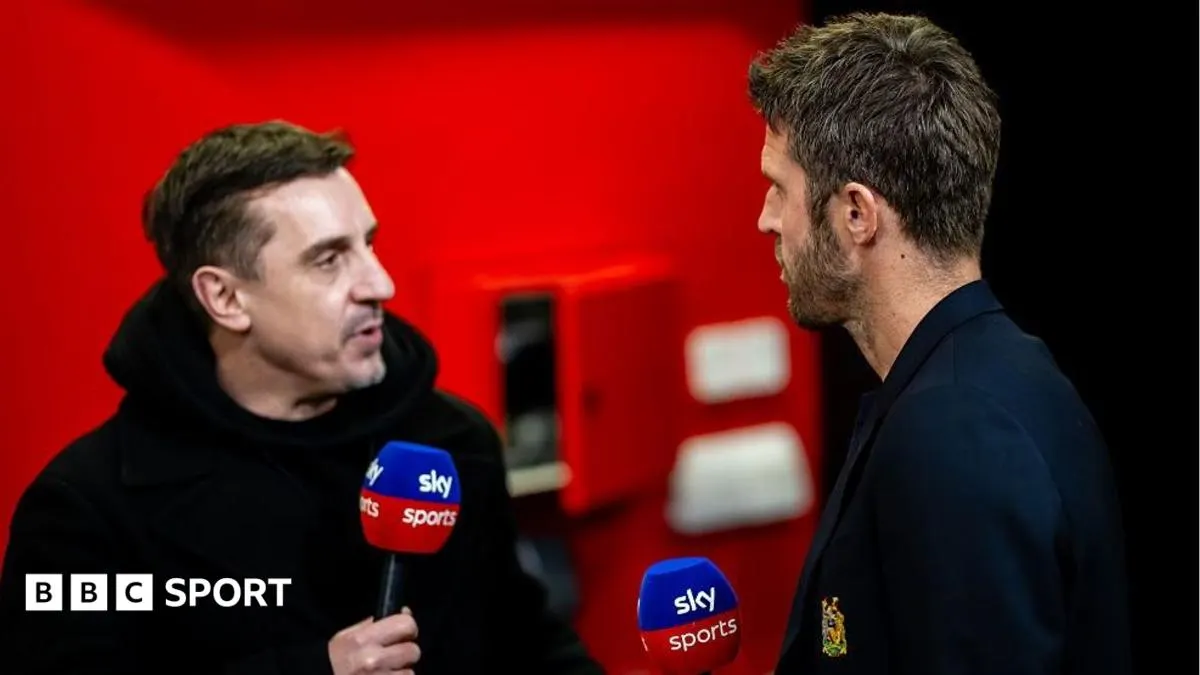
Michael Carrick will remain Manchester United manager for at least one more week, as the club continues to attract intense scrutiny from former players and online commentators. The article examines how that criticism has become a constant stream of football content, raising questions about its influence on the club and its players.
Gary Neville criticised United after their 3-0 defeat by Bournemouth, while Wayne Rooney and Roy Keane have also publicly questioned the team and its staff. Neville’s media network now includes YouTube channels that previously had more than 3.7 million subscribers, and former United players Paul Scholes and Nicky Butt also host a podcast. Carrick said he tries to avoid the commentary; the article notes that Lisandro Martínez answered earlier criticism by pointing to his performance in United’s 2-0 derby win over Manchester City.
In short
- Former United players provide constant commentary on the club.
- Neville’s expanded YouTube network adds to the coverage.
- Carrick says he tries to avoid the noise.
Steelman: both sides, in good faith
The strongest fair case each way — we don't pick a winner.
The case for
Former players and commentators have first-hand knowledge of the club and can scrutinise decisions that might otherwise go unchallenged. Their criticism may give supporters useful analysis, hold managers and owners to account, and create a lively conversation around a prominent team.
The case against
A constant stream of criticism can turn setbacks into entertainment and reward the most dramatic judgements over careful assessment. Because former players’ comments reach large audiences, they may add pressure on staff and players without improving decisions, while making it harder to judge progress over time.
Explained simply
Manchester United is one of English football’s most widely followed clubs, so poor results often prompt debate well beyond the club itself. Former players such as Gary Neville, Wayne Rooney and Roy Keane now discuss football as broadcasters and online commentators, alongside their work in the sport.
Their views reach large audiences through television, podcasts and video channels, making criticism of the team a regular source of football coverage. That raises questions about how constant public scrutiny affects the club and its players, including managers and those responding to comments about their performances.