Families v loyal fans – women’s football’s attendance dilemma
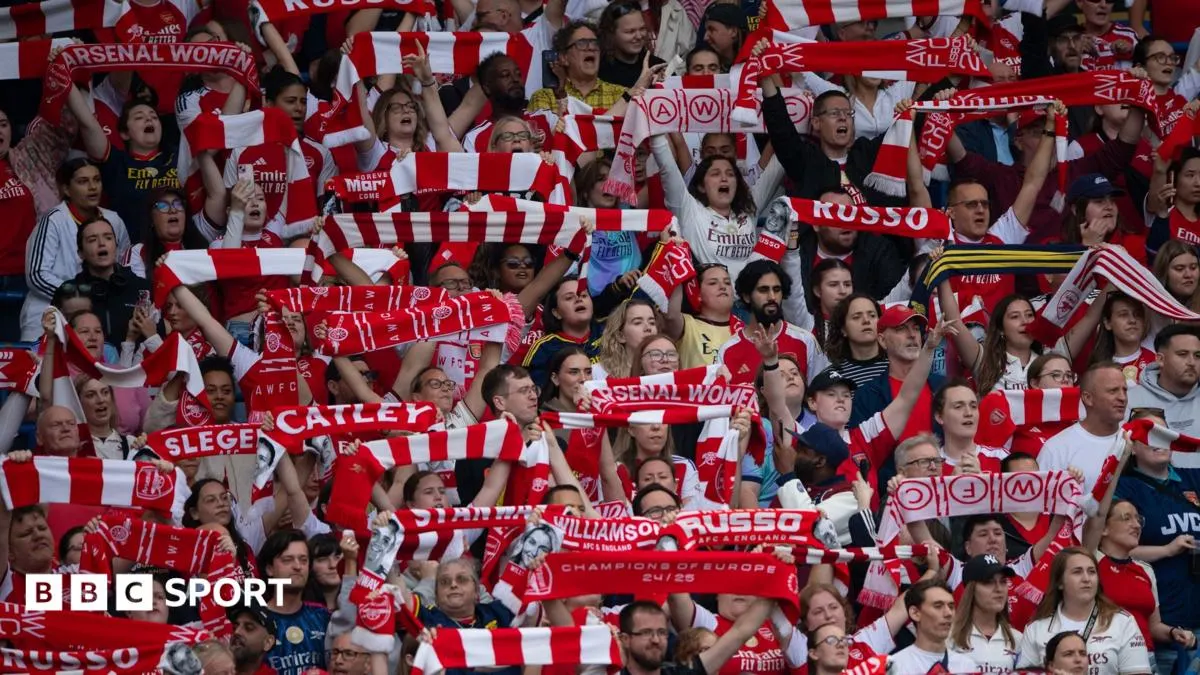
Attendance growth across the Women’s Super League has slowed, and some high-profile fixtures have drawn markedly smaller crowds this season. The figures raise questions about how clubs can turn the post-Euro 2022 surge in interest into regular support, while balancing family appeal with the needs of loyal fans.
A 2026 YouGov and Populous report puts median crowds at 3,236 in 2025-26, up from 3,070 in 2023-24; average attendance had previously jumped 192% after the Lionesses’ Euro 2022 win. Arsenal v Manchester United at the Emirates drew 29,853, down from 46,603 the previous season, while Chelsea v Arsenal fell from 34,302 to 19,349. The report found that a welcoming, family-friendly environment matters more to enjoyment than team success or performance, but fans also cite shifting kick-off times and travel problems; only 15% of recent attendees go at least monthly, while 10% identify as devoted supporters.
In short
- WSL crowd growth has slowed, with several major fixtures drawing fewer fans.
- Supporters value a welcoming matchday, but some dislike family-focused marketing.
- Inconsistent kick-off times and travel issues may hinder regular attendance.
Steelman: both sides, in good faith
The strongest fair case each way — we don't pick a winner.
The case for
Clubs have good reason to prioritise a welcoming, family-friendly experience: it matters strongly to enjoyment and can help turn occasional interest into a broader, lasting audience. Making matches accessible and appealing to families may grow the sport’s support base and help sustain attendance over time.
The case against
Clubs also need to serve loyal supporters, whose repeated attendance helps give teams a dependable atmosphere and connection with their communities. If kick-off times and travel arrangements make regular attendance difficult, or matchday choices seem geared mainly towards occasional visitors, clubs may risk weakening the commitment that underpins long-term support.
Explained simply
The Women’s Super League is England’s top women’s football league, featuring clubs such as Arsenal, Chelsea and Manchester United. Crowds rose sharply after England’s national team, the Lionesses, won the European Championship in 2022, bringing many new people to matches.
A club’s regular supporters and occasional visitors may have different needs. Families may value a welcoming matchday and activities for children, while devoted fans often attend frequently and may have to plan around changing kick-off times and travel.
Attendance matters to clubs because it affects the atmosphere and helps them build a lasting audience. The challenge is to make matches appealing to newcomers while keeping them accessible for people who follow their team regularly.
Entertainment Football Sport TV