Columnist questions celebrity disclosures of late ADHD diagnoses
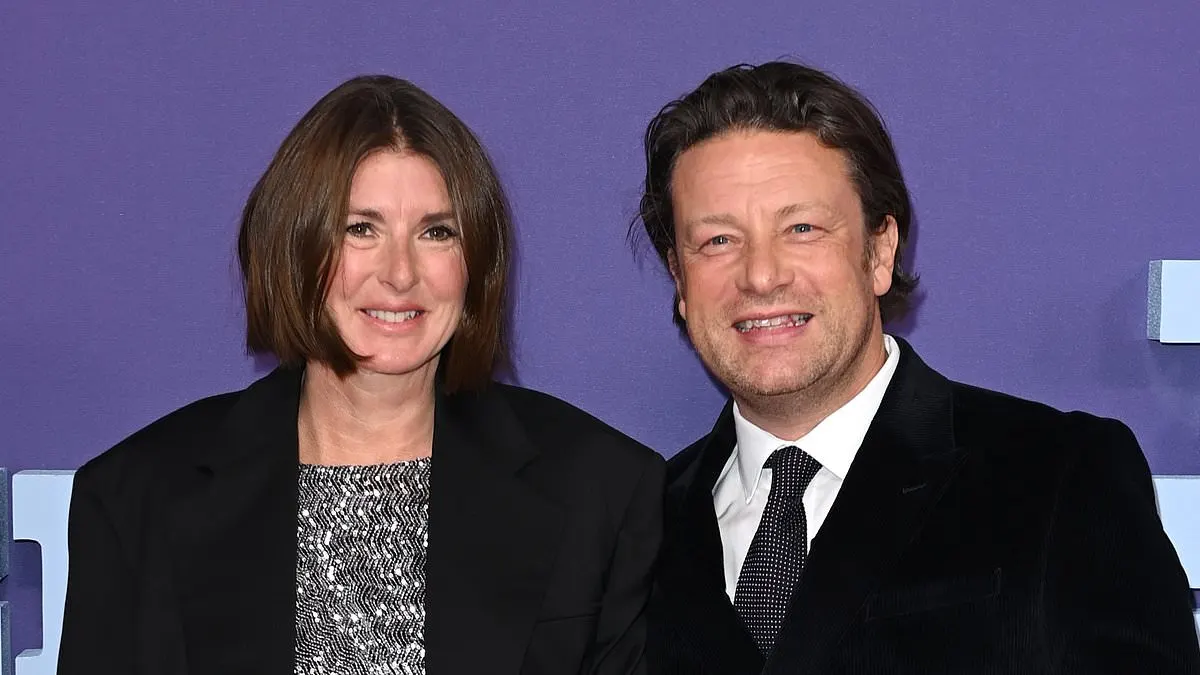
The columnist questions why some celebrities publicise ADHD diagnoses received in adulthood, arguing that they may use them to explain past behaviour or avoid responsibility. The piece focuses on Jools Oliver’s recent disclosures and challenges the language used to describe her difficulties, while acknowledging that she may have suffered.
It also names Richard Bacon, Sam Fender and several other public figures who have linked ADHD to behavioural problems or addiction. The columnist suggests that celebrity disclosures could influence the wider public, including people seeking private diagnoses. NHS England estimates that nearly 2.5 million people have ADHD, including those who have not been diagnosed.
In short
- A columnist challenges celebrities’ public disclosures of late ADHD diagnoses.
- Several stars have linked ADHD to past behaviour or addiction.
- NHS England estimates nearly 2.5 million people have ADHD.
Steelman: both sides, in good faith
The strongest fair case each way — we don't pick a winner.
The case for
Public figures discussing adult ADHD can reduce stigma, help people recognise symptoms and encourage them to seek appropriate support. A diagnosis may offer a useful explanation for past difficulties without excusing harmful behaviour, and people should be able to describe their experiences in their own words.
The case against
Celebrity accounts can blur the line between explaining behaviour and excusing it, particularly when ADHD is linked broadly to addiction or past misconduct. Given the influence of public disclosures and the long waits for NHS assessment, it is reasonable to scrutinise how such stories present diagnosis and to ask whether they could encourage oversimplified self-diagnosis or distort understanding of the condition.
Explained simply
ADHD is a condition that can affect attention, activity levels and impulse control. It is often identified in childhood, but some people are diagnosed as adults, after difficulties at school, work or home prompt an assessment.
A diagnosis may help someone understand their experiences and find support, but it does not affect everyone in the same way. Jools Oliver, Richard Bacon and Sam Fender are among public figures who have spoken about ADHD; their accounts have prompted debate about how personal experiences are described and understood.
Public disclosures can shape how people think about ADHD and whether they seek an assessment. NHS England estimates that nearly 2.5 million people in England have the condition, including people who have not been diagnosed.
Celebrity Culture Entertainment Food World
Read the full article at the source →
Originally published by Daily Mail as “JAN MOIR: Spare me all these pampered walking wounded stars who klaxon their late-life ADHD to the world”.