Philippa Gregory says 18th-century novels taught her how to write
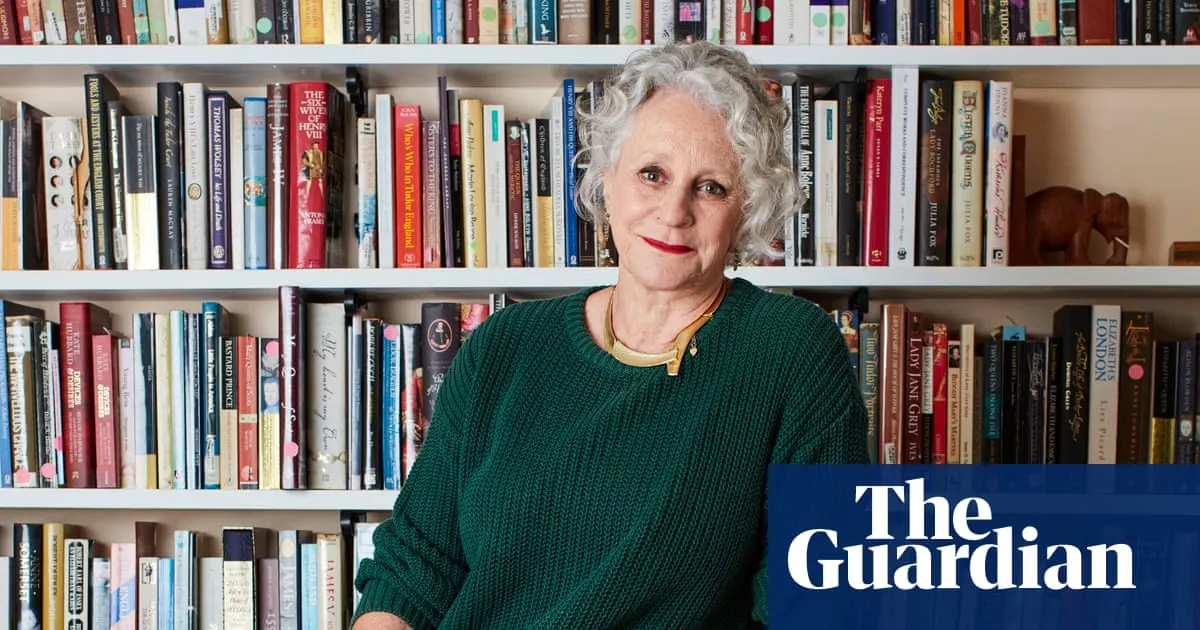
Philippa Gregory describes how reading shaped her as a writer, from childhood stories to historical fiction and works of social history. She says studying more than 100 popular 18th-century novels for her PhD gave her a practical apprenticeship in novel-writing, teaching her about structure, character and pace.
Gregory recalls Alison Goudge, Jane Austen and Georgette Heyer among her early influences, and says EP Thompson’s history helped her see how writing can reveal hidden pasts. She later came to appreciate Dickens, particularly *Dombey and Son*, rereads Iris Murdoch’s *The Sea, the Sea* for comfort, and has recently discovered Molly Keane’s *Good Behaviour*.
In short
- Gregory studied more than 100 18th-century novels for her PhD.
- Austen and historical fiction shaped her early reading.
- She praises Dickens, Iris Murdoch and Molly Keane.
Explained simply
Philippa Gregory is a British novelist best known for historical fiction, including stories set in the Tudor period. Her novels draw on research into the people and social conditions of the past.
The 18th century was a time when the novel became a popular form of reading in Britain. Gregory studied more than 100 novels from that period for her PhD, examining how writers built plots, developed characters and kept stories moving.
Her reading also includes historians and novelists from later periods. That range matters because it shows how fiction and social history can shape a writer’s approach to bringing overlooked parts of the past to readers.
Read the full article at the source →
Originally published by The Guardian as “Philippa Gregory: ‘I read 100 of the best 18th century novels – the perfect author’s apprenticeship’”.