Trump’s tariffs and Iran war have added to US inflation
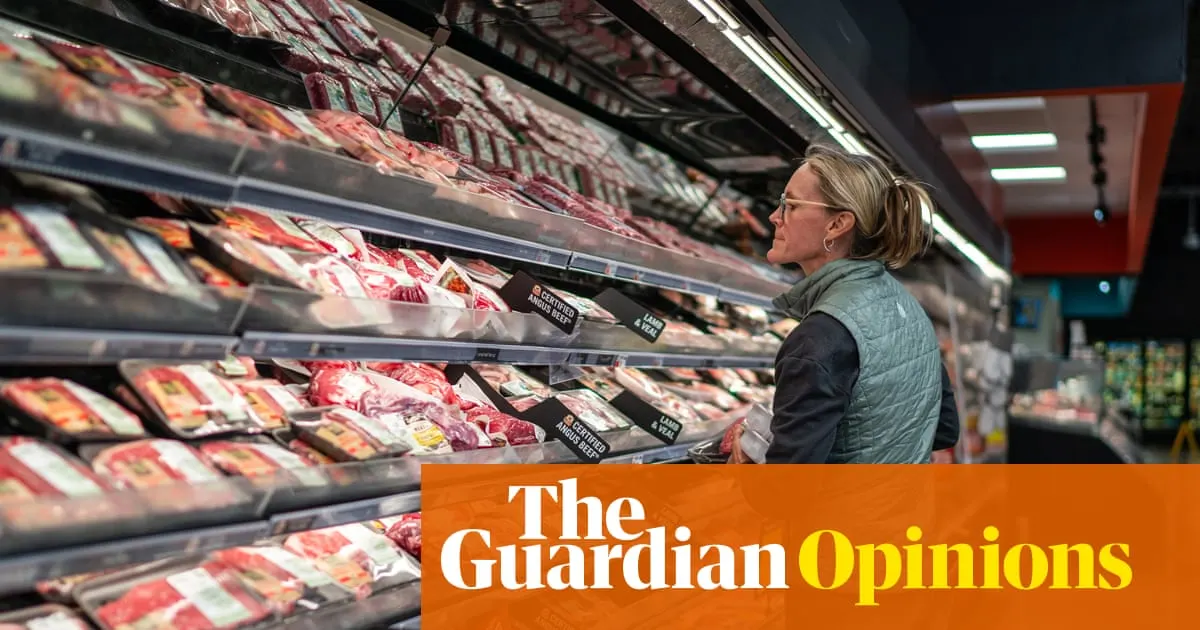
Donald Trump campaigned on lowering prices, but the article argues that tariffs and the war with Iran have instead added to US inflation. It says this has worsened household affordability and helps explain why some people who voted for him now disapprove of his performance.
Trump’s tariffs have raised costs for imported goods, while the article links the Iran war to sharp increases in fuel and related costs. US petrol averages $4.28 a gallon; estimates put the annual cost of tariffs at $1,100 per household and the war’s costs at about $2,000. Average hourly pay and prices have both risen 5.4% since January 2025, leaving no average real wage growth, while the White House disputes the criticism of Trump’s economic record.
In short
- Tariffs and the Iran war have added to inflation.
- Petrol averages $4.28 a gallon in the US.
- Pay and prices have risen at the same rate since January 2025.
Steelman: both sides, in good faith
The strongest fair case each way — we don't pick a winner.
The case for
Supporters could argue that tariffs are intended to protect domestic industries and encourage production at home, accepting some near-term price increases in pursuit of stronger supply chains and jobs. They could also say that fuel costs linked to the Iran war reflect a broader security crisis, and that judging the administration’s economic record requires weighing those pressures against its policies and longer-term aims.
The case against
Critics could argue that tariffs raise the cost of imported goods and that the war has driven up fuel and related expenses, adding to the strain on households already facing high prices. With average pay and prices rising by the same amount since January 2025, they can say workers have seen no average real wage growth, undermining the campaign promise to make life more affordable.
Explained simply
Donald Trump is the US president, and prices and the cost of living were major concerns in the 2024 election. Inflation is the rate at which prices rise; when prices rise faster than pay, households can afford less with their income.
Tariffs are taxes on some imported goods, and businesses may pass their added costs on to shoppers. The war involving Iran has also affected fuel prices, which can raise the cost of transport and other goods.
The White House disputes criticism of Trump’s economic record. Changes in prices and pay matter to households, and can shape how voters judge a president’s performance.
Americas Business Economy Elections Politics World
Read the full article at the source →
Originally published by The Guardian as “Trump vowed to reduce prices, but his policies have fueled US inflation | Steven Greenhouse”.