Nissan’s 2027 Rogue uses petrol to power its electric motors
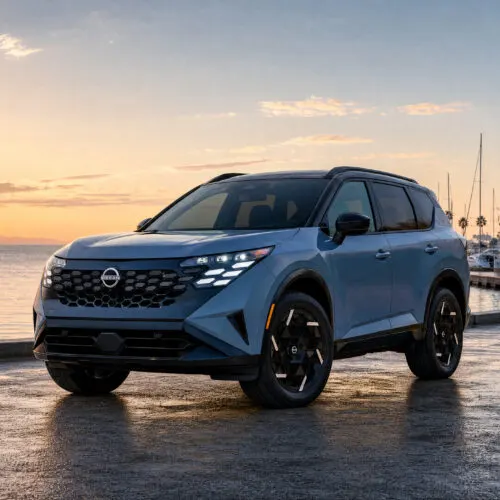
Nissan is bringing the 2027 Rogue Hybrid to the US with an updated e-Power system that drives the wheels solely with electric motors, while its petrol engine generates electricity. The series-hybrid setup aims to deliver an electric-car-like driving feel without needing to plug in.
The 1.5-litre turbocharged three-cylinder engine makes 148 hp and charges a 1.67 kWh battery, which powers front and rear motors with a combined output of 225 hp. Nissan says the engine reaches 42 per cent thermal efficiency; the Rogue accelerates from 0 to 60 mph in 6.4 seconds. The system has been sold in Japan for a decade, with more than 1.4 million cars on the road, and has been retuned for US driving.
In short
- The Rogue Hybrid uses electric motors to drive its wheels.
- Its petrol engine generates power and does not need plugging in.
- Combined output is 225 hp, with 0 to 60 mph in 6.4 seconds.
Steelman: both sides, in good faith
The strongest fair case each way — we don't pick a winner.
The case for
A petrol engine that only generates electricity could offer much of the smooth, responsive feel of an electric car without requiring drivers to find charging points, which may suit people without home charging or reliable public infrastructure. If the system delivers its claimed efficiency and performance, it could also provide a practical route to lower fuel use while retaining the convenience of quick refuelling.
The case against
The system still depends on petrol, so it does not eliminate tailpipe emissions or exposure to fuel costs, and drivers gain none of the benefit of running on electricity from a cleaner grid. Converting petrol to electricity and then using it to drive the wheels adds energy-conversion steps; for drivers who can charge a conventional hybrid or battery-electric vehicle, this may be a less efficient or less compelling way to electrify.
Explained simply
A series hybrid uses an engine to generate electricity rather than drive the wheels directly. In Nissan’s e-Power system, electric motors turn the wheels, while a petrol engine charges a small battery that supplies them; the car does not need to be plugged in.
Nissan is a Japanese carmaker, and the Rogue is its family-sized SUV sold in the United States. The company has used e-Power in Japan for about a decade, and says it has retuned the system for US driving.
The system sits between a conventional petrol car and a plug-in hybrid: it uses petrol but gives the wheels electric drive. That distinction matters when comparing how the Rogue works with other hybrids and electric cars.
Read the full article at the source →
Originally published by Ars Technica as “2027 Nissan Rogue Hybrid: Drives like an EV, but there’s no plug involved”.