Fujifilm to boost tape production 5x as AI fuels archiving demand
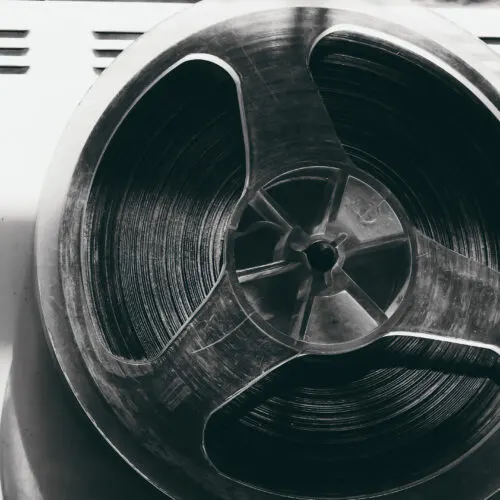
Fujifilm plans to spend about 10 billion yen, or US$63 million, to raise magnetic tape production capacity fivefold, citing growing demand to archive data as generative AI expands global data needs. The investment reflects tape’s continuing role in large-scale storage, where its low cost and ability to be kept offline make it useful to cloud providers and data centres.
The expansion at Fujifilm’s Odawara site in Kanagawa will run from fiscal years 2026 to 2028 and will focus mainly on its latest LTO Ultrium 10 tape. The fivefold target is measured against fiscal 2025 production. Fujifilm says disconnected tape cartridges can provide an air-gapped backup against cyberattacks such as ransomware; the company has worked on magnetic data storage since the 1950s.
In short
- Fujifilm plans a fivefold increase in tape capacity.
- The expansion is tied to rising AI-related archiving demand.
- Offline tape can help protect backups from ransomware.
Steelman: both sides, in good faith
The strongest fair case each way — we don't pick a winner.
The case for
Expanding tape production could help meet data centres’ growing need to preserve large volumes of information affordably. Tape is relatively inexpensive and can be disconnected from networks, giving organisations a useful offline backup against ransomware and other attacks.
The case against
A fivefold expansion built around demand forecasts could commit substantial resources to a storage technology whose future role may change as data needs and alternatives evolve. Tape’s offline protection comes with trade-offs: retrieving stored data is slower and less convenient than using online storage, so the investment may not suit every archiving need.
Explained simply
Magnetic tape is a way to store digital information on cartridges, much like audio or video tape. It is often used for records that need to be kept for a long time but are not accessed every day, such as backups and archives.
Fujifilm is a Japanese technology company that has made magnetic storage products for decades. Its LTO Ultrium tapes are part of a format used by organisations including data centres to store large amounts of information.
As AI services and cloud computing create more data, companies need ways to keep it safely and affordably. Tape can be disconnected from computer networks when not in use, which helps protect stored copies from some cyberattacks.
AI Entertainment Film Technology