Nike supplier workers in Indonesia and Vietnam take second jobs to get by
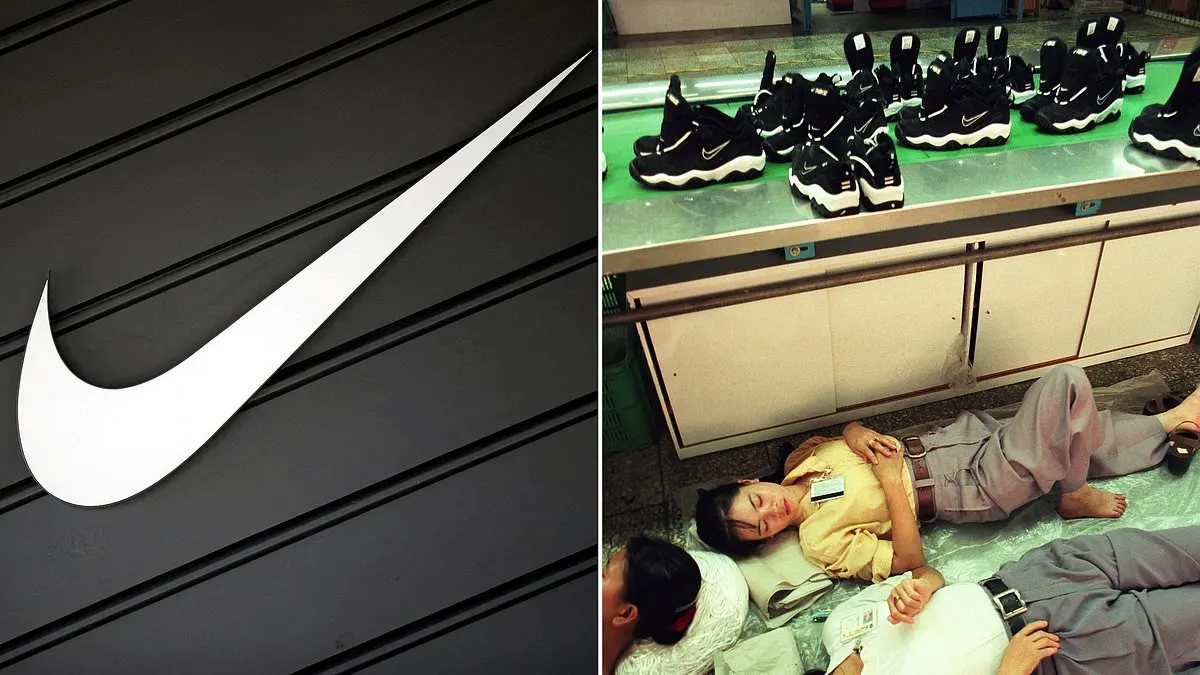
An investigation found that some workers at Nike supplier factories in Indonesia and Vietnam take second jobs to make ends meet, despite Nike’s stated commitment to living wages. Their accounts raise questions about whether the company’s promise is being met across its supply chain.
Workers reported monthly pay as low as $150 in Indonesia and starting salaries of $236 in some Vietnamese factory adverts. Some collect bottles and scrap, sell food or take cleaning and sewing work; one worker estimated that 70 per cent of her colleagues had second jobs. Nike contracts with 712 factories worldwide, including 183 in Vietnam and 64 in Indonesia.
In short
- Some Nike supplier workers say their wages are not enough to live on.
- Workers take side jobs, including collecting bottles and selling food.
- Nike’s living wage commitment faces scrutiny across its supply chain.
Steelman: both sides, in good faith
The strongest fair case each way — we don't pick a winner.
The case for
Workers’ need for second jobs, alongside Nike’s living-wage commitment, raises a reasonable concern that the promise may not be reaching people across its supply chain. Their accounts and reported pay levels suggest the company should be pressed to explain how wages are set and what oversight ensures factories meet its standards.
The case against
The accounts describe serious financial pressure, but they do not by themselves establish that Nike has broken its commitment or show how widespread the problem is across its suppliers. Factory pay can reflect local costs and conditions, and assessing the company’s performance would require clearer evidence about wages, hours, benefits and the reach of its monitoring.
Explained simply
Nike sells sportswear and shoes, but much of its production is carried out by independent supplier factories. The company says it is committed to living wages, meaning pay intended to cover workers’ basic needs.
Indonesia and Vietnam are major manufacturing bases for Nike suppliers. Workers’ pay can vary by factory and job, and some workers take extra work alongside factory shifts to supplement their income.
Nike’s suppliers operate across a large network of factories, so the issue concerns how pay commitments are put into practice across that network. It also raises wider questions about the wages and working conditions of people who make goods for global brands.
Asia Business Celebrity Economy Entertainment Space Technology World
Read the full article at the source →
Originally published by Daily Mail as “Nike’s Asian factories pay workers so poorly some have taken second jobs collecting trash, despite oh-so-woke sportswear giant’s claims that it is ethical”.