Global nature talks reach deal but money remains an issue
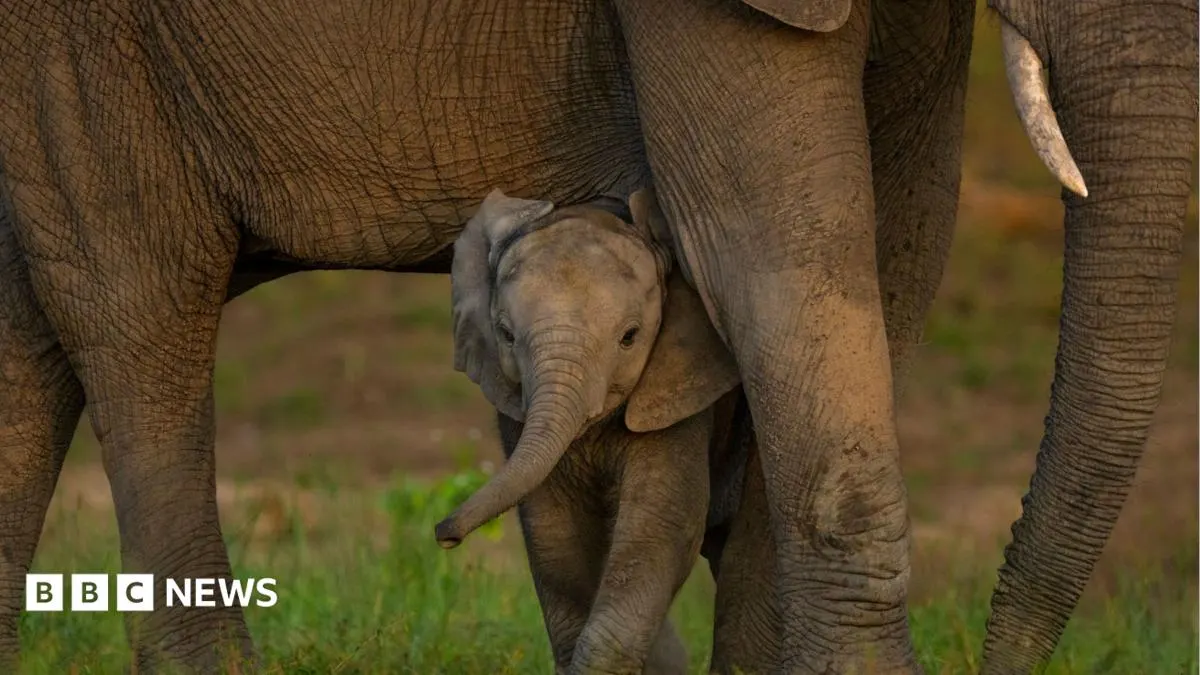
Nearly 200 countries agreed a new action plan on nature after almost two weeks of talks in Armenia, acknowledging that progress towards their 2022 biodiversity commitments is falling behind. The deal matters because species are becoming extinct at around 100 times the natural rate due to human activity, while the UN says countries are on track to meet just one of the framework’s 24 targets.
The 2022 agreement included protecting 30% of land and seas by 2030 and raising $30bn for nature recovery, alongside a further $170bn from private sources. More than $1bn was pledged at this meeting, half from philanthropists, but funding remains far short of what is needed. Countries also discussed harmful subsidies, while a voluntary fund for companies benefiting from genetic material had received only $10,000 in pledges before the talks.
In short
- Nearly 200 countries agreed a new nature action plan.
- The UN says only one of 24 targets is on track.
- More funding is needed to accelerate conservation.
Steelman: both sides, in good faith
The strongest fair case each way — we don't pick a winner.
The case for
The agreement gives nearly 200 countries a shared plan and a chance to accelerate action before more species and habitats are lost. Supporters can argue that public, private and philanthropic funding, alongside efforts to curb harmful subsidies and involve companies benefiting from genetic resources, can help turn the 2022 commitments into practical conservation work.
The case against
Critics can argue that another plan risks repeating promises that countries have so far failed to deliver: the UN says they are on track to meet only one of 24 targets. With funding still far below the agreed ambition and company contributions voluntary and negligible so far, they may question whether the deal has enough money and accountability to change outcomes.
Explained simply
In 2022, nearly 200 countries adopted a global plan to halt and reverse the loss of nature by 2030. It includes targets to protect 30% of land and sea and to raise money for conservation and restoration.
The plan covers threats such as habitat loss, pollution and the overuse of natural resources. Governments are responsible for putting its targets into practice, while businesses and private donors are also expected to contribute to nature funding.
The UN says progress is behind schedule, and countries are on track to meet only one of the plan’s 24 targets. The gap matters because human activity is driving species extinction far above the natural rate, while the money pledged so far falls well short of the plan’s funding goals.