Calvin and Hobbes’ Final Strip is Still the Perfect Goodbye
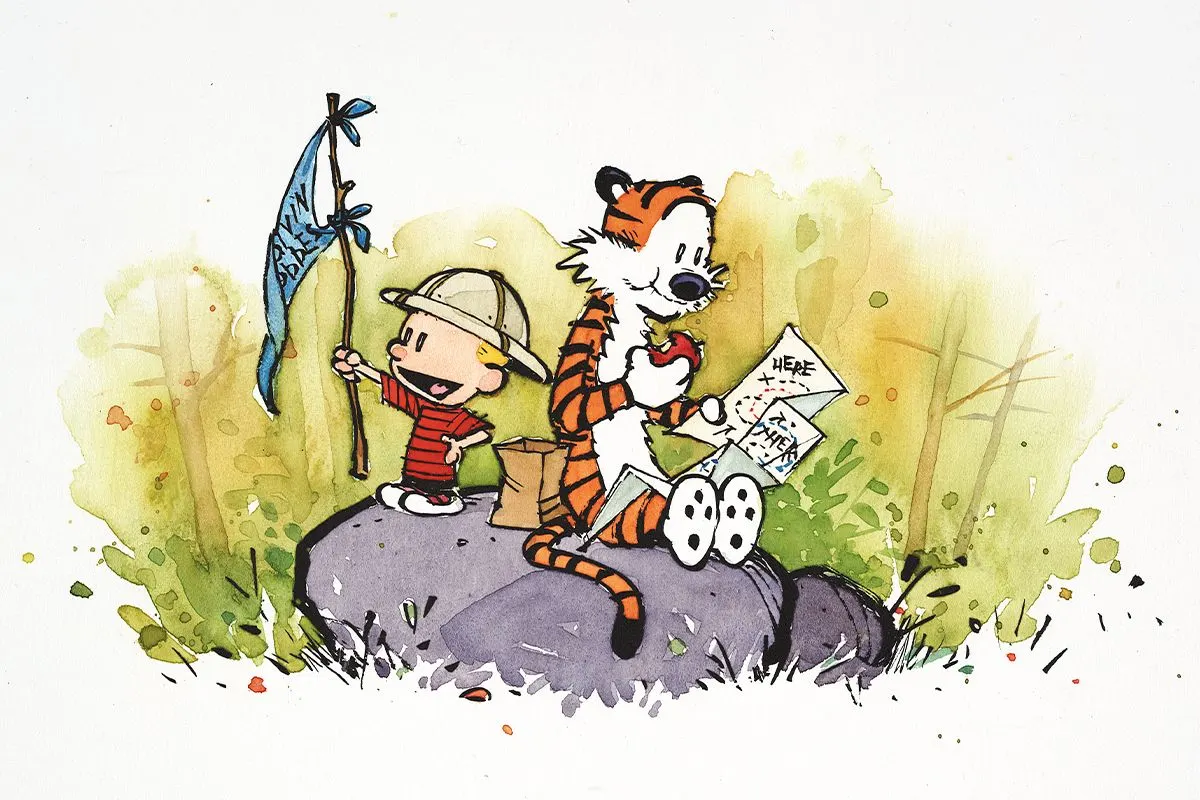
Bill Watterson ended Calvin and Hobbes on 31 December 1995, after a decade of following the imaginative six-year-old and his tiger. The decision surprised readers because the hugely popular strip could likely have continued for years, but its ending gave the story a deliberate farewell and helped preserve its lasting appeal.
The comic began in 35 newspapers in 1985, grew to more than 2,000, and remains popular with readers old and new. Watterson said he had told the stories he wanted to tell and believed stopping early was better than repeating himself; the article argues that the final strip gives the pair a satisfying goodbye while leaving room to imagine their adventures continue.
In short
- Calvin and Hobbes ended after ten years, at the height of its popularity.
- Watterson chose to stop before the strip became repetitive.
- Its final strip offers a goodbye while keeping the duo’s world open.
Steelman: both sides, in good faith
The strongest fair case each way — we don't pick a winner.
The case for
Ending Calvin and Hobbes while its creator still felt he had told the stories he wanted to tell protected the strip’s originality and gave readers a deliberate, satisfying farewell. A finite body of work can preserve its quality and leave space for readers to imagine what comes next.
The case against
Because the strip remained hugely popular, continuing it could have brought joy to readers and allowed its characters to develop further. Some may feel that ending it at its height cut short a beloved shared experience, and that the risk of repetition was worth taking rather than closing the door on new stories.
Explained simply
Calvin and Hobbes is a comic strip by American cartoonist Bill Watterson, first published in 1985. It follows Calvin, an imaginative six-year-old, and Hobbes, his tiger companion, whose adventures mix childhood play with observations about everyday life.
The strip became widely popular, appearing in more than 2,000 newspapers at its peak. Watterson ended it in 1995, saying he had told the stories he wanted to tell and preferred to stop rather than repeat himself. That choice shaped how readers remember the comic and its farewell.