In 1971, Marvin Gaye asked ‘What’s Going On’. Ten months later, Sly Stone had an answer
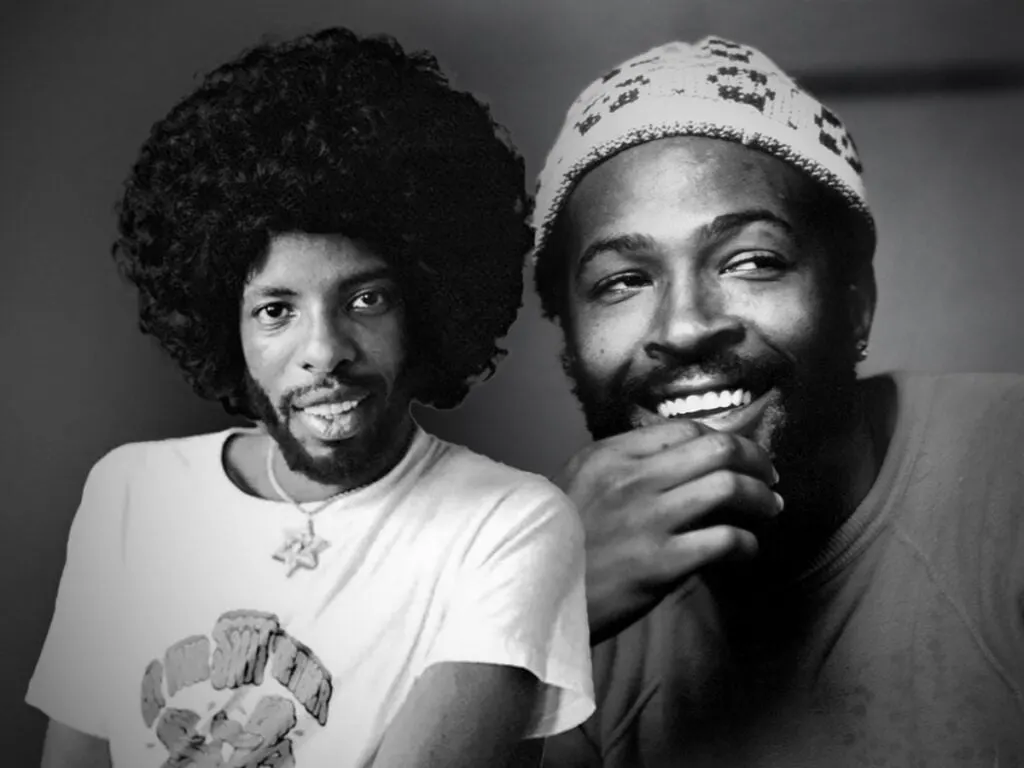
Sly and the Family Stone’s 1971 album *There’s a Riot Goin’ On* is presented as a stark response to the social tensions that followed the optimism of the 1960s. The article contrasts it with Marvin Gaye’s *What’s Going On*, which asked questions about war, racism and division, arguing that Sly Stone answered with a more direct account of unrest.
The band had reached a high point after Woodstock in 1969, where bassist Larry Graham said their performance became a new standard. Stone began making the follow-up album that year, working largely alone, and completed it in 1971; its drum-machine sound and departure from earlier records drew mixed reviews at first. The article says it is now regarded as a major 20th-century record and emphasises its resonance for Black America.
In short
- Sly Stone’s 1971 album answered the unrest Marvin Gaye had questioned.
- It marked a sharp turn from the band’s Woodstock-era sound.
- The once divisive record is now celebrated as a landmark.
Explained simply
Marvin Gaye’s What’s Going On and Sly and the Family Stone’s There’s a Riot Goin’ On were albums made amid debate about war, racism and social division in the United States. Gaye’s record raised questions about these issues, while Sly Stone’s album offered a darker account of unrest.
Sly and the Family Stone were a multiracial band whose popularity surged after their 1969 Woodstock performance. Stone then began work on the follow-up, recording largely on his own and using a drum machine in a sound that differed from the band’s earlier records.
The album initially drew mixed reviews, but later came to be regarded as a major record of the 20th century. Its themes have particular resonance in discussions of Black American life and the social tensions of the period.