Kabila emerges as rebel alliance leader seeking to oust Tshisekedi
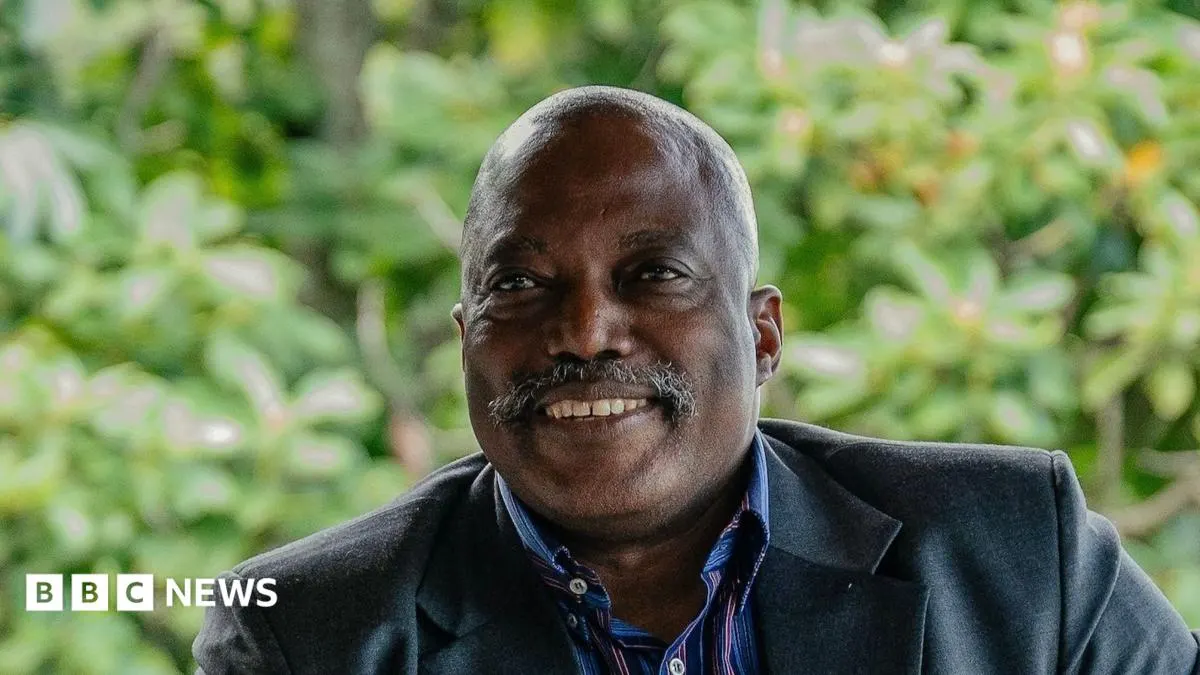
Joseph Kabila, the Democratic Republic of Congo’s former president, has emerged as leader of a new rebel alliance that includes M23, the group whose advances he opposed while in office. He now seeks to topple President Félix Tshisekedi, the man he handed power to after 18 years as president and later joined in a coalition, highlighting the country’s shifting political alliances.
Kabila’s move could give M23 the experience and political networks of a former head of state, while offering him a possible route back to influence. But it is unclear whether the alliance can gain broad support or extend the fighting beyond eastern provinces, about 1,500km from Kinshasa. Kabila faces a death sentence in absentia for treason and US sanctions over alleged support for M23; he has compared Tshisekedi to former ruler Mobutu.
In short
- Joseph Kabila has joined forces with M23 rebels.
- He aims to topple President Félix Tshisekedi.
- The alliance’s reach beyond eastern Congo is uncertain.
Steelman: both sides, in good faith
The strongest fair case each way — we don't pick a winner.
The case for
Supporters could argue that Kabila’s leadership gives a rebel alliance political experience and national networks, potentially turning armed opposition into a more coherent challenge to Tshisekedi. They may also see his return to the political struggle as a response to a government they regard as failing to command consent, though the reported account does not establish how widely that view is shared.
The case against
Opponents could argue that seeking to remove an elected president through an alliance that includes M23 risks deepening violence and weakening the prospect of resolving disputes through political institutions. Kabila’s past as president and his alleged links to M23 do not by themselves establish broad public support for the alliance, while the reported treason conviction and sanctions add to concerns about its legitimacy.
Explained simply
The Democratic Republic of Congo is a large country in central Africa, where armed groups have fought for control and influence, especially in the east. M23 is one of those groups; its advances have displaced civilians and brought it into conflict with the Congolese government.
Joseph Kabila was president for 18 years before Félix Tshisekedi took office in 2019. The two later governed in a political coalition, but their relationship broke down. Kabila now faces a treason conviction in absentia and US sanctions linked to alleged support for M23, which he denies.
The alliance brings together a former national leader and an armed group, but it is uncertain how much support it can attract or whether the fighting will spread beyond the east. The conflict matters to people living in affected areas and to the stability of a country whose capital, Kinshasa, is far from the main fighting.
Read the full article at the source →
Originally published by BBC World as “Suited and booted: How Joseph Kabila went from president to rebel leader”.