Andy Burnham says he is ‘open’ to UK making a formal apology for slavery as King Charles arrives in Antigua
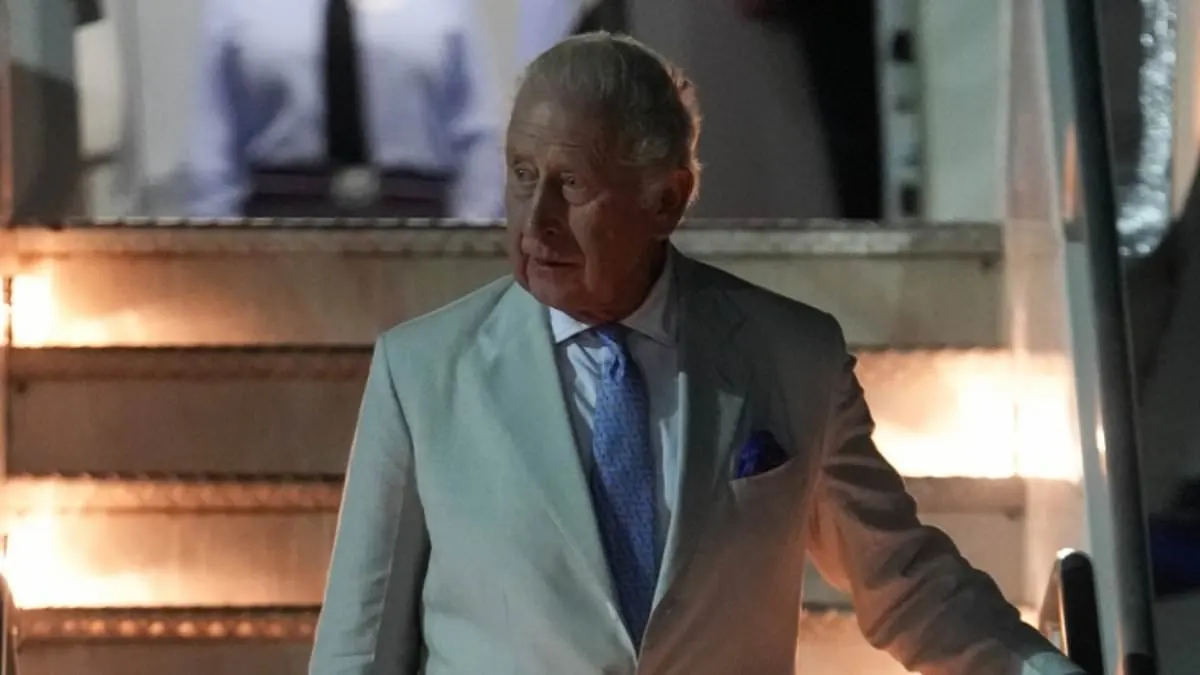
Andy Burnham said the government is open to considering a formal apology for Britain’s role in the transatlantic slave trade, signalling a shift from its previous position. The announcement comes as King Charles visits Antigua and Barbuda and ahead of a Commonwealth leaders’ meeting, putting the issue back on the agenda and adding pressure around the monarchy’s role in the region.
Burnham said the government would begin structured dialogue with people affected by the slave trade, and expressed sorrow and regret for the suffering caused. He ruled out financial reparations, saying he did not consider them the right answer, while Labour MP Bell Ribeiro-Addy argued an apology would help address the legacy of empire. Charles has acknowledged past suffering during the tour, and is due to address representatives of the Commonwealth’s 56 member states on Tuesday.
In short
- Burnham is open to a formal British apology for slavery.
- He ruled out financial reparations.
- The issue will feature at the Commonwealth meeting in Antigua.
Steelman: both sides, in good faith
The strongest fair case each way — we don't pick a winner.
The case for
Supporters argue that a formal apology would recognise the scale of Britain’s role in the slave trade and the suffering it caused, offering a meaningful acknowledgement to affected communities. They see structured dialogue as a way to address that history and its legacy, even without financial reparations.
The case against
Those cautious about an apology may argue that present-day governments and institutions should not be held responsible in the same way as the people and authorities that carried out slavery, and that an official apology could imply obligations for compensation. They may prefer expressions of sorrow and continued dialogue focused on shared history and practical cooperation, without making a formal statement that could deepen political disputes.
Explained simply
Britain played a major role in the transatlantic slave trade, forcibly transporting millions of Africans to the Americas and the Caribbean. Slavery was abolished across most of the British Empire in the 1830s, but its effects remain part of debate about history, inequality and the relationship between Britain and Caribbean countries.
Antigua and Barbuda is an independent Caribbean country and a member of the Commonwealth, a group of 56 states, many with historical ties to the British Empire. King Charles is head of state in several Commonwealth countries, while others are republics; his position as monarch gives the royal family a prominent place in discussions of Britain’s past in the region.
Calls for an apology are linked to wider arguments about how Britain should recognise the harms of slavery and its lasting effects. Some people also call for reparations, which can take different forms of compensation or support; views differ over whether these are appropriate and who should provide them.
Americas Government Politics UK World