Seabirds racing home over the ocean can get jet-lagged
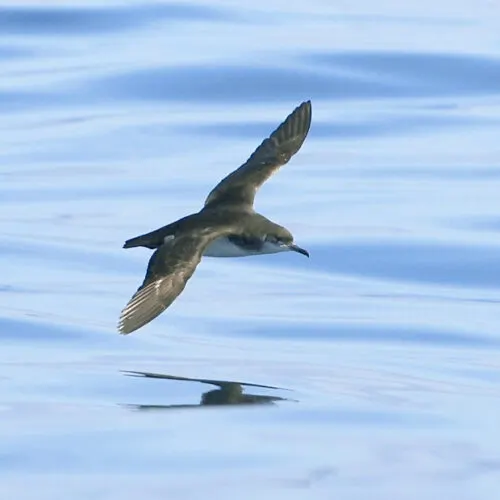
A study of Manx shearwaters suggests the seabirds can become jet-lagged while flying home from feeding grounds, throwing off their ability to navigate by the Sun. The finding shows that an internal clock drifting out of sync with local time can affect wild animals’ natural navigation.
Researchers analysed GPS tracks from 3,688 foraging trips by 1,045 birds from colonies on the UK’s western coasts, collected over two decades. A bird’s clock can fall about four minutes behind local time for each degree of longitude it travels between dawn and dusk, causing its estimated Sun compass to shift; the article says the effect can reach about an hour.
In short
- Manx shearwaters’ internal clocks drift during long flights.
- The drift can skew their Sun-based compass.
- Researchers analysed 3,688 trips by 1,045 birds.
Explained simply
Manx shearwaters are seabirds that nest in colonies on islands off the UK’s western coast and fly far out to sea to find food. They return to their colonies using cues including the position of the Sun.
Like people, birds have internal body clocks that help them keep track of time. A Sun compass depends on both the Sun’s position and the time of day, so a clock that no longer matches local time can make the bird’s estimate of direction less accurate.
This matters because it links an animal’s internal timing to how it navigates in the wild. Studying that connection can help researchers understand how birds find their way across long distances.