The 1970s rock giants Brian May was jealous of: “We were quite irritated by it”
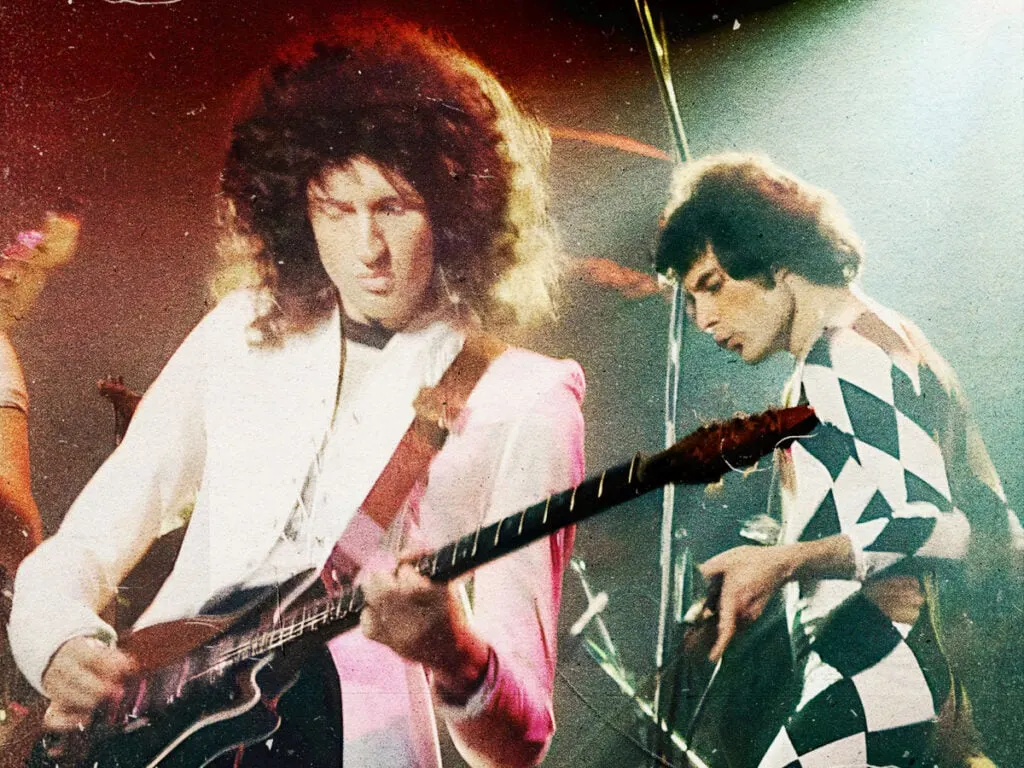
Brian May said Queen were frustrated when concertgoers sang along to their songs instead of listening. He admired Led Zeppelin’s audience for paying close attention, a difference that reflected the bands’ contrasting live identities.
Queen’s profile rose sharply after “Bohemian Rhapsody” was released in 1975, while Led Zeppelin focused on albums and adventurous material rather than conventional hit singles. May felt Queen worked hard on their music and wanted audiences to hear it, though Freddie Mercury’s commanding stage presence often made the concerts a spectacle centred on the vocals.
In short
- Brian May wished Queen’s audiences would listen rather than sing along.
- He admired Led Zeppelin fans’ attention at concerts.
- Freddie Mercury’s showmanship made Queen’s performances vocal-centred.
Steelman: both sides, in good faith
The strongest fair case each way — we don't pick a winner.
The case for
Queen’s frustration is understandable: the band worked carefully on its music and may have felt that constant singalongs drowned out arrangements they wanted listeners to hear. A quieter, more attentive crowd could make space for musical detail and give the performance the focused reception the group sought.
The case against
For many concertgoers, singing along is part of the shared pleasure of live music, especially when a band’s best-known songs invite participation. Queen’s theatrical, vocal-led shows helped create that communal atmosphere, so audience enthusiasm could be seen as a sign that the music connected rather than as a failure to listen.
Explained simply
Queen and Led Zeppelin were British rock bands who became prominent in the 1970s. Queen’s 1975 song “Bohemian Rhapsody” helped bring the group to a much wider audience, while Led Zeppelin built its reputation largely through albums and ambitious live performances.
The bands offered different kinds of concert experience. Queen’s shows often featured Freddie Mercury’s powerful vocals and audience participation; Led Zeppelin were known for extended, less predictable performances. Their contrasting approaches shaped what listeners expected from each band on stage.