David Squires delves into… a Halloween special on Netflex’s murderous ‘true’ crime
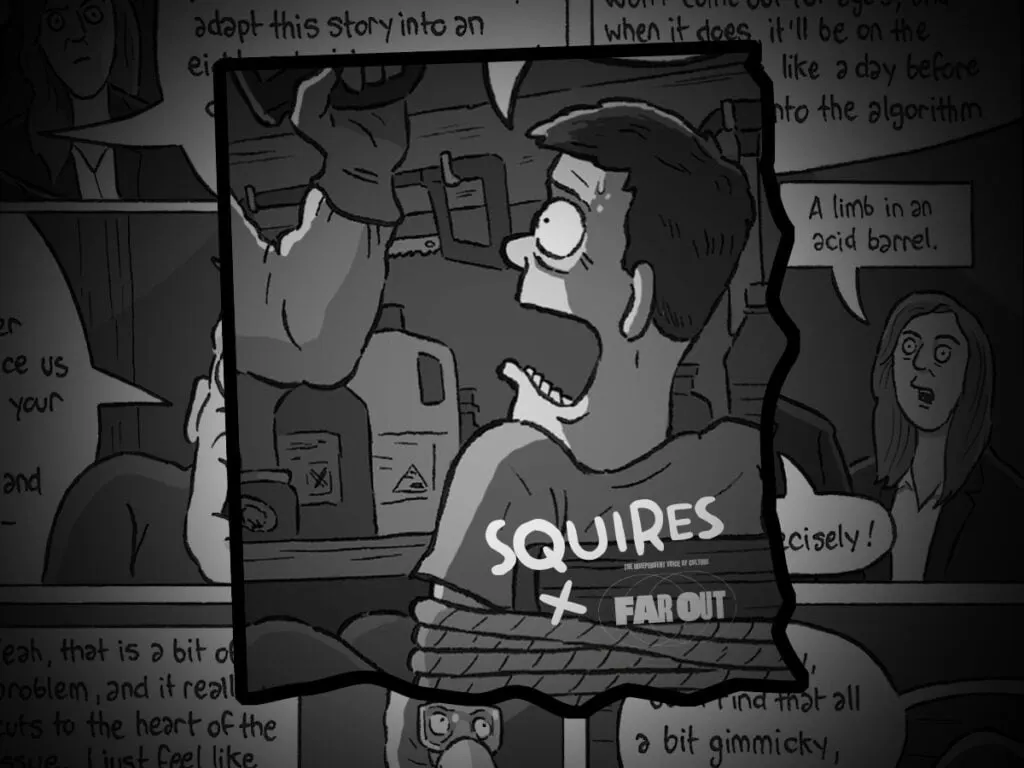
The article uses Halloween humour to criticise the popularity of Netflix’s dramatised true-crime shows, arguing that real tragedies are being packaged as entertainment. It highlights concerns that this can exploit victims’ families and make audiences less sensitive to real suffering.
It cites Rita Isbell, whose brother Errol Lindsey was murdered by Jeffrey Dahmer, saying she was not consulted about Netflix’s 2022 series *DAHMER – Monster* and describing the project as greed. The piece also invokes crime psychologist Emma Kenny’s view that people should avoid becoming desensitised to horror, then introduces cartoonist David Squires’s Halloween satire.
In short
- Netflix true-crime dramas draw criticism over their treatment of real tragedies.
- Rita Isbell said she was not consulted about *DAHMER – Monster*.
- David Squires turns the debate into a Halloween cartoon.
Steelman: both sides, in good faith
The strongest fair case each way — we don't pick a winner.
The case for
Dramatised true-crime series can bring attention to real cases, help audiences understand how crimes happened and prompt discussion about victims, justice and institutional failures. Supporters may argue that carefully researched storytelling has public value, and that adaptation can be legitimate when it is transparent about dramatisation and treats those affected with care.
The case against
Turning real murders into entertainment risks making victims’ suffering a spectacle, particularly when families say they were not consulted or feel their loss has been used for profit. Critics also argue that repeated, sensationalised portrayals can blur fact and fiction and make audiences less responsive to real suffering.
Explained simply
Netflix’s true-crime dramas recreate real murders and investigations for television audiences. They often use actors and invented dialogue, while drawing on real victims and events.
Errol Lindsey was murdered by Jeffrey Dahmer. Lindsey’s sister, Rita Isbell, said Netflix did not consult her before making its 2022 series about Dahmer; crime psychologist Emma Kenny has also warned about becoming less sensitive to real suffering.
The debate is about how true-crime entertainment affects victims’ families and audiences. It raises questions about consent, profit and how real tragedies should be portrayed.