In fourth grade, Billy Joel wanted to be Elvis Presley. In 1982, he took a swipe at what Elvis became
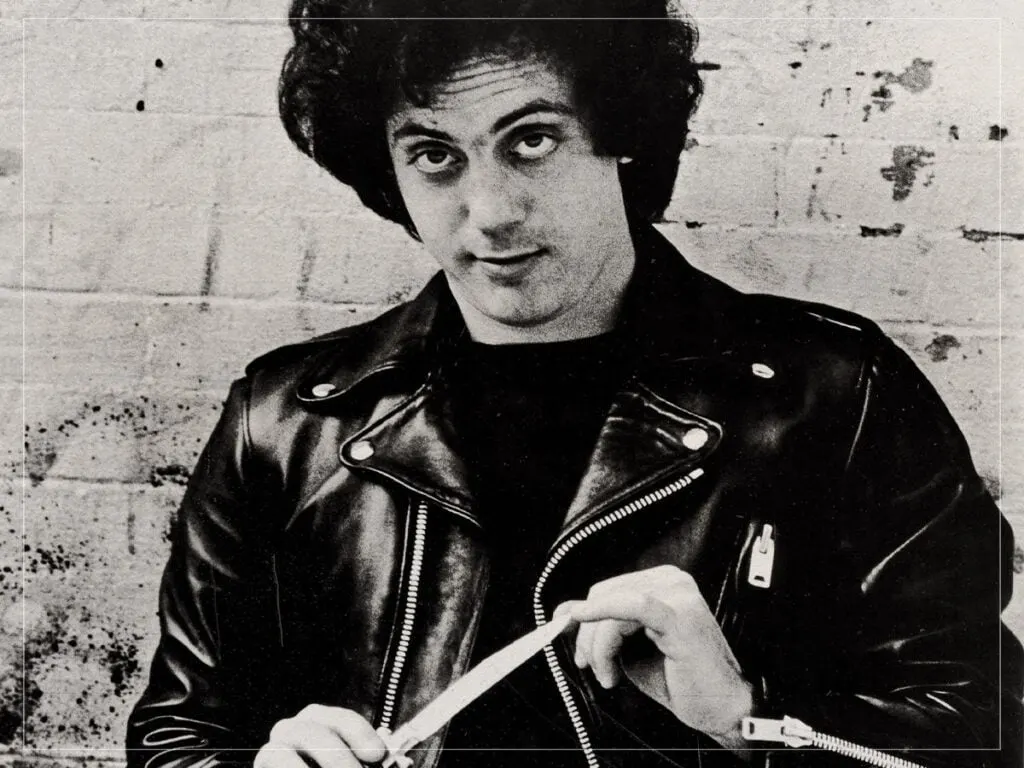
Billy Joel’s 1982 song ‘Elvis Presley Boulevard’ paid tribute to the singer who first inspired him, while criticising how Presley’s later career and image were handled. Joel admired Elvis as a child, but felt that Hollywood films and the commercialisation of Graceland turned a once extraordinary performer into a diminished public figure.
Joel recalled performing ‘Hound Dog’ as an Elvis impression in fourth grade, jiggling his hips until a teacher pulled him off stage. He later said Presley’s time in the army marked a turning point, followed by films that made him a joke. Recorded in 1981, ‘Elvis Presley Boulevard’ first appeared as the B-side to ‘Allentown’ in 1982 and was included on the 2005 compilation *My Lives*; its lyrics describe Graceland as a lifeless mansion selling souvenirs.
In short
- Joel admired Elvis from childhood.
- His 1982 song mourned Presley’s later image.
- It criticised Graceland’s commercialisation.
Steelman: both sides, in good faith
The strongest fair case each way — we don't pick a winner.
The case for
Joel’s critique can be read as a defence of Presley’s artistic legacy: the films and commercial spectacle around Graceland, in his view, reduced a once electrifying performer to a marketable image. The song honours the childhood inspiration Presley provided while lamenting how that legacy was managed.
The case against
Presley’s later films and the commercial life of Graceland can also be seen as part of a complicated career and an enduring public connection, rather than simply a diminishment. A critic might argue that Joel’s portrayal judges Presley’s later work by the standards of his early performances and overlooks the choices and meaning fans found in the films and the site.
Explained simply
Billy Joel grew up admiring Elvis Presley, the singer whose energetic performances helped make him a major star in the 1950s. Presley later served in the US Army and starred in a series of films, many of them made for Hollywood studios.
After Presley died in 1977, his Memphis home, Graceland, became a place for fans to visit and buy souvenirs. Joel’s song reflects on the gap between the performer he admired and the later films and commercial business associated with Presley’s name.