Every ‘Halloween’ movie ranked from worst to best
Developing story first seen 3 hours ago
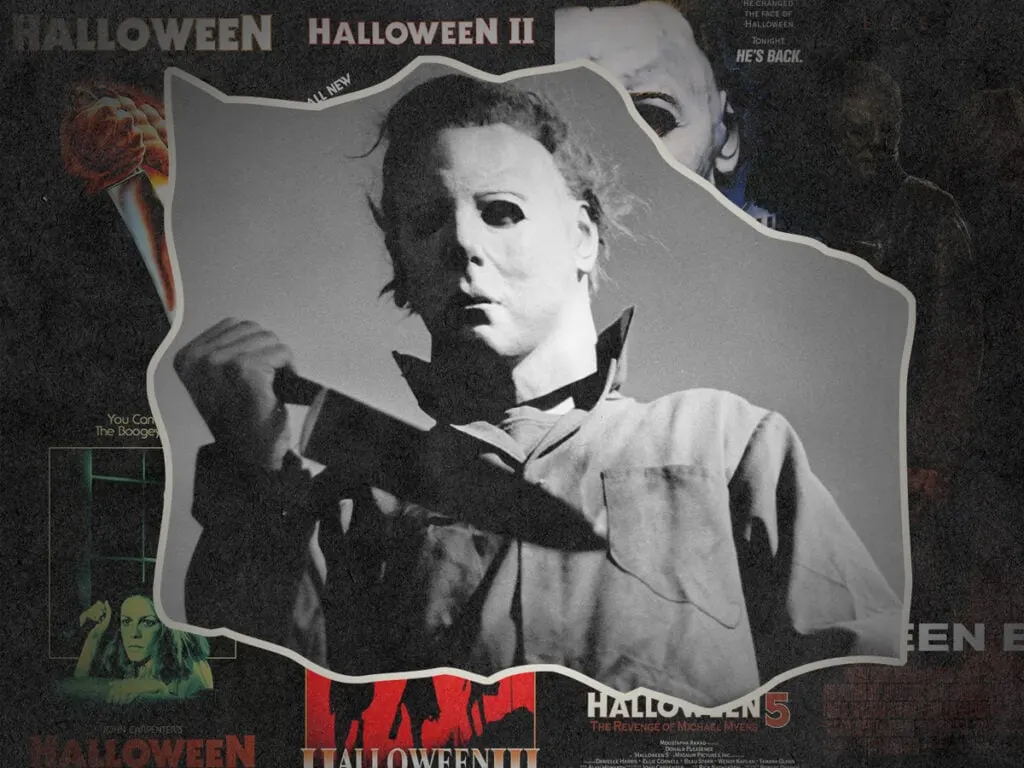
John Carpenter’s *Halloween* (1978) helped define the slasher film and grew into a franchise with multiple, conflicting storylines. The article ranks the series from worst to best, arguing that its changing continuities reflect Hollywood’s efforts to extend a film that was not originally intended to launch a franchise.
The films take several different routes after the original: some continue the story of Laurie Strode and Michael Myers, one follows an anthology approach, and later entries reboot or reset the series. The article criticises *Halloween: Resurrection* for its dull plot and mishandling of Laurie, and *Halloween Kills* for excessive gore and weak storytelling; it also describes *Halloween 5* as confusing after major parts of its original storyline were removed.
- Sources
- 2
- Outlets
- 2
- Left · Centre · Right
- 0 · 0 · 0
In short
- The 1978 original helped shape the slasher genre.
- The franchise developed several conflicting continuities.
- The article ranks the films and criticises weaker sequels.
How this story developed
- 1 hour ago John Carpenter’s *Halloween* (1978) helped define the slasher film and grew into a franchise with multiple, conflicting storylines.
Full account
The Halloween series grew out of a film that was not the first slasher, but helped define what the genre could be. John Carpenter’s 1978 original distilled familiar horror elements into a stark, influential form: Jamie Lee Curtis’s Laurie Strode became a defining survivor, while Michael Myers was presented as a largely unexplained embodiment of menace. Carpenter had envisaged Halloween as the start of an anthology, with separate stories linked by the holiday. Its success instead prompted a continuing franchise.
The films that followed have taken several routes through the story. Halloween II, which Carpenter co-wrote, made Myers and Strode siblings. Halloween III: Season of the Witch then set Myers aside for an unrelated story, but later films returned to him, including a run centred on his niece and Tommy Doyle. Halloween H20: 20 Years Later reset the continuity to follow the first two films; Halloween: Resurrection continued from H20. The 2007 remake and its 2009 sequel offered another version, while the more recent Blumhouse trilogy treated the 1978 film as its sole starting point. The tangled rights history is reflected in these overlapping timelines.
At the bottom of this ranking sits Halloween: Resurrection, which Source 1 judges especially harshly. Its premise revolves around a digital broadcast from the Myers house, and the account criticises the film for its cheap presentation, crude humour and emphasis on early-2000s internet and hip-hop culture. It also objects to the opening’s treatment of Laurie, arguing that it undermines the character and removes one of H20’s strongest assets. The source’s central complaint is that the film takes too long to reach its scares and is dull despite its busy setup.
Halloween Kills is also criticised, though Source 1’s discussion breaks off before giving its full assessment. It notes that the film was intended to follow 2018’s Halloween sooner, but pandemic delays pushed its release to 2021, in cinemas and on streaming. The account compares its compressed, single-night timeline with earlier Halloween II films, suggesting that fitting another story into the same night created a familiar strain. Taken together, the ranking’s framing reflects a franchise whose many resets and continuities make comparisons as much about storytelling choices as about Michael Myers himself.
Where outlets differ
From the full account, which is AI-written from the sources:
Source 1 concerns the Halloween films and explains the franchise’s changing continuities, while Source 2 is about the Resident Evil games and a 2026 film adaptation; it does not provide evidence about a Halloween ranking and has not been used to attribute claims about the films.
Source 1 offers a strongly negative appraisal of Halloween: Resurrection and a more limited criticism of Halloween Kills. The supplied excerpt ends mid-sentence during its discussion of Halloween Kills, so it does not support a complete ranking or a full account of the article’s verdicts.
Explained simply
John Carpenter’s Halloween was released in 1978 and helped establish the slasher film, a horror story centred on a killer stalking victims. Its success led to a long-running series featuring masked killer Michael Myers and Laurie Strode, one of the original film’s central characters.
The films do not follow one continuous storyline: some carry on Laurie and Michael’s story, while others take a different approach or restart events. This makes the series’ history complicated, and reflects how filmmakers tried different ways to continue a story that began as a single film.
The rankings compare films that vary in plot, tone and place in the series. They also show how opinions differ over which entries best handle the characters and horror that made the original well known.