Spies in the sky: RAF sends up drones for the first time to monitor the Russian navy around British shores
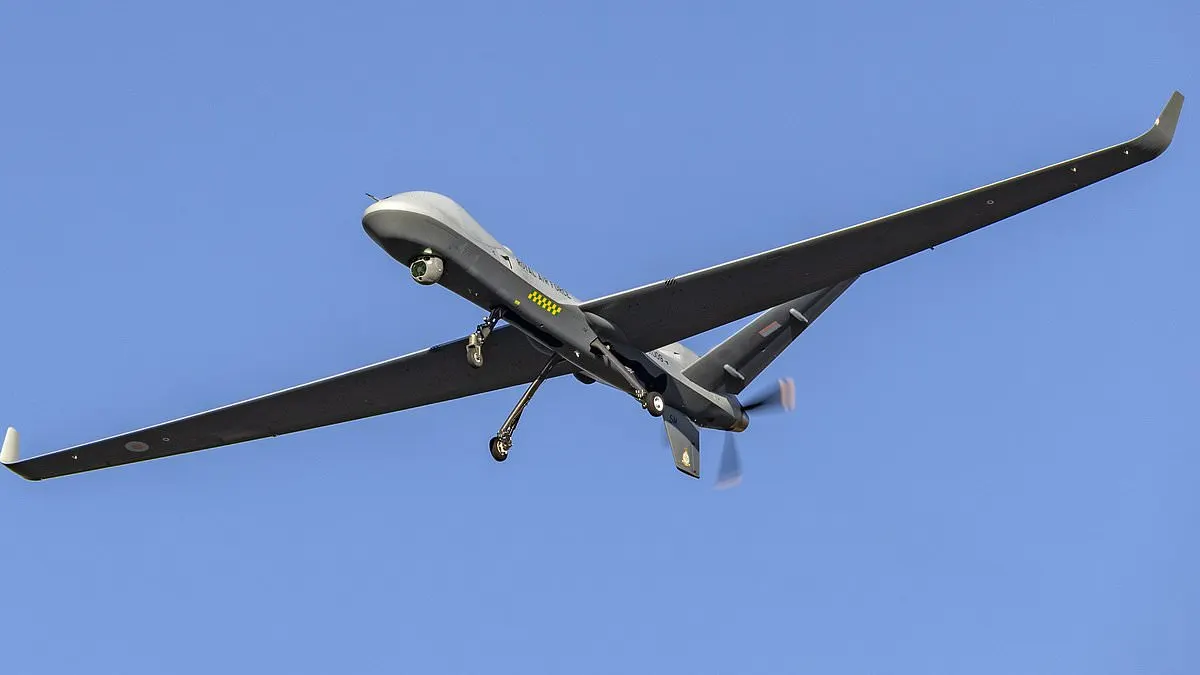
The RAF has used a Protector RG1 drone for the first time to monitor a Russian warship in the English Channel, working alongside Royal Navy vessels and helicopters. The operation reflects concern about Russian activity near British waters, including surveillance of critical underwater cables, and the possibility that ships could launch drones against infrastructure.
The unarmed drone provided more than ten hours of surveillance within the past month. The Ministry of Defence says Royal Navy monitoring of Russian activity rose by 25 per cent in the first seven months of this year compared with the same period in 2025, and has committed an additional £330 million over four years to seabed monitoring and anti-submarine capabilities. The first of 16 Protector aircraft arrived at RAF Waddington in September; military analysts say stronger patrols and an effective warning system are needed to direct defences.
In short
- RAF Protector drone monitored a Russian warship in the English Channel.
- The sortie provided more than ten hours of surveillance.
- Defence spending is increasing for seabed monitoring and anti-submarine capabilities.
Steelman: both sides, in good faith
The strongest fair case each way — we don't pick a winner.
The case for
More frequent drone surveillance could help the UK detect threats to undersea cables and other critical infrastructure early, while giving naval forces a clearer picture of Russian activity near British waters. Supporters could argue that persistent monitoring and better warning systems are prudent protection, especially as reported Russian activity has increased.
The case against
A cautious case is that expanding surveillance and anti-submarine capabilities risks fuelling suspicion and reciprocal military activity, while a single monitoring operation does not establish hostile intent. Public funds and operational attention might be better balanced with diplomacy and careful assessment of specific threats, so that defensive measures remain proportionate.
Explained simply
The RAF is the Royal Air Force, while the Royal Navy is responsible for the UK’s maritime operations. The Protector RG1 is a remotely piloted aircraft designed for long surveillance flights; it can gather information but carries no weapons.
Undersea cables carry much of the data and communications between countries, and other seabed infrastructure supports energy supplies. Monitoring ships near British waters can help the UK track activity around these assets, while naval and air patrols form part of wider efforts to detect potential threats.