AI cloud providers’ debt raises fresh doubts over boom’s sustainability
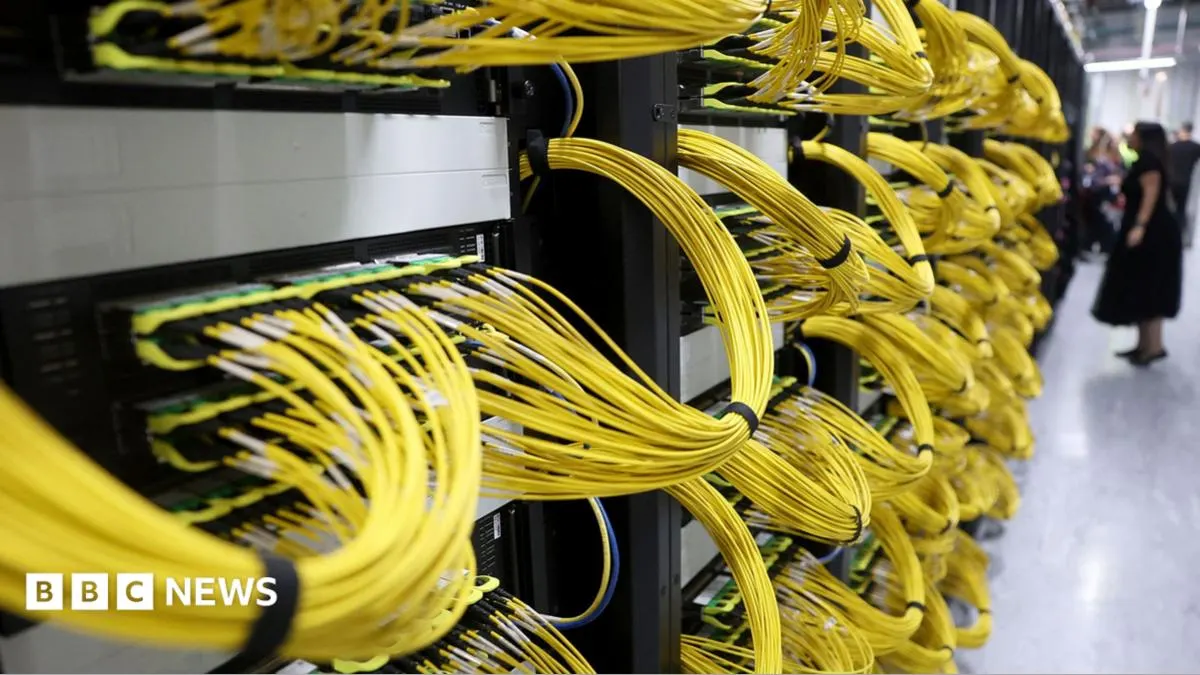
Neocloud companies such as CoreWeave and Nebius rent computing power to major AI developers, but growing concerns about their debt and exposure to customer spending have made them a focus of debate over whether the AI boom is sustainable. Their recent share-price falls have sharpened questions about the financial risks behind the rapid expansion of AI infrastructure.
These firms often borrow against long-term customer contracts and the costly chips they buy upfront; CoreWeave has accumulated $35.1bn in debt. Its shares and those of Nebius, IREN and Applied Digital have each fallen by about a quarter or more in the past month, while lenders are seeking higher returns. Many companies began in crypto mining, and analysts warn their fortunes depend on major customers continuing to spend: Gartner predicts 80% of neocloud firms will cease independent operations by 2030.
In short
- Neocloud firms’ shares have fallen sharply amid concerns about debt.
- CoreWeave has $35.1bn in debt.
- Their prospects depend heavily on continued AI investment.
Steelman: both sides, in good faith
The strongest fair case each way — we don't pick a winner.
The case for
Neocloud providers are financing infrastructure that AI developers need, and long-term customer contracts can give lenders and investors a basis for funding costly chips and rapid expansion. If demand for AI computing continues to grow, today’s borrowing may support useful capacity and allow these firms to serve customers that cannot build it themselves.
The case against
The debt and upfront costs leave providers exposed if a few major customers reduce spending, contracts fail to cover financing costs, or costly chips lose value. Recent share-price falls and lenders seeking higher returns suggest that investors see material risks, while the prediction that many firms may not remain independent raises questions about whether the current pace of expansion can last.
Explained simply
AI developers need large numbers of specialist computer chips to train and run their systems. Neocloud companies such as CoreWeave and Nebius buy this equipment and rent computing capacity to AI firms, which can use it without building their own data centres.
The equipment is expensive, so neocloud providers often borrow money to expand, sometimes relying on customer contracts and the value of their chips to support that borrowing. Some also have roots in cryptocurrency mining, another business that depends on costly computing equipment and changing demand.
Their prospects are closely tied to whether major AI companies keep spending on computing capacity. If demand or customer spending weakens, providers may struggle to cover their debts, with possible consequences for lenders and investors as well as for the supply of computing power used by AI developers.
Read the full article at the source →
Originally published by BBC Technology as “These firms you’ve never heard of are feeding fears the AI bubble could burst”.