Chatbots Are Leading Hikers Astray, With Dangerous Consequences
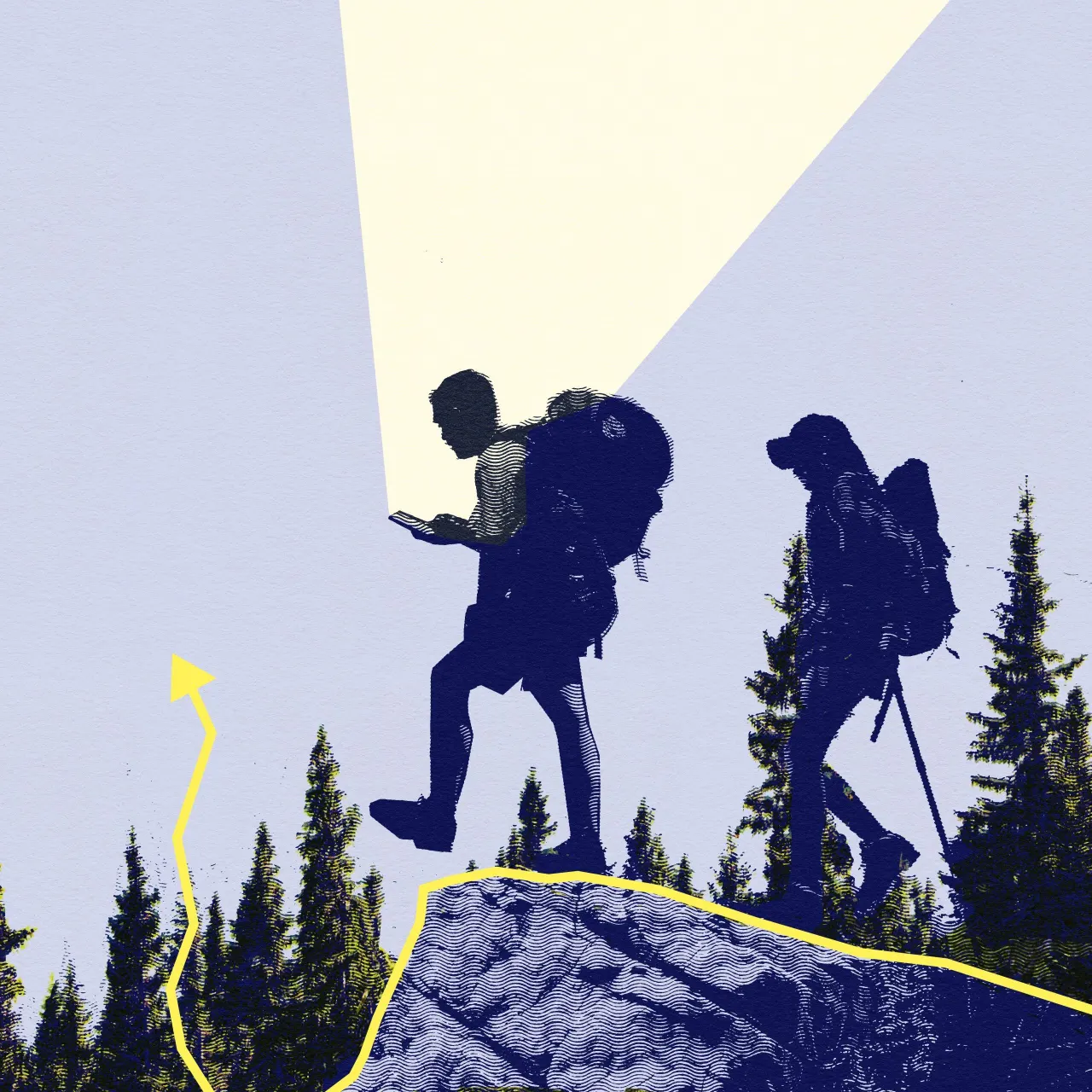
Hikers in the US and Canada have made risky decisions after relying on AI chatbots for route planning and outdoor advice. The incidents highlight how confident-sounding misinformation could affect people who lack the expertise to spot errors, though it is not yet clear whether AI use is increasing accidents.
Examples include a Mount Shasta visitor who relied on AI to justify camping by a “No Camping” sign and a hiker with a map that placed landmarks on the wrong side of a mountain. A 16-year-old in British Columbia was rescued from a ledge after using Claude to help plan a trip, although he also consulted Google Maps and AllTrails. Grand Teton National Park reported that the share of visitors saying they use AI for travel information rose from zero to 26 per cent; meanwhile, Wyoming search-and-rescue calls numbered 312 so far in 2026, compared with 466 in all of 2025.
In short
- Hikers have acted on inaccurate AI-generated outdoor advice.
- Grand Teton reported AI use among visitors rising to 26 per cent.
- Whether chatbots are increasing rescues remains unclear.
Steelman: both sides, in good faith
The strongest fair case each way — we don't pick a winner.
The case for
The incidents suggest AI chatbots can give confident but inaccurate outdoor advice, and hikers may struggle to recognise errors when they lack local knowledge. Because mistakes in remote terrain can have serious consequences, park authorities and visitors have reason to treat chatbots as unverified aids and rely on authoritative maps, trail information and expert advice.
The case against
The reported cases do not establish that AI use is increasing accidents: the teenager also consulted other tools, and search-and-rescue figures alone cannot show what caused incidents or how rates compare. Chatbots may still help people find or interpret information when used cautiously alongside trusted maps and local guidance, so the evidence supports care rather than assuming that AI use itself is making hiking more dangerous.
Explained simply
AI chatbots generate answers by predicting text, rather than checking every claim against reliable maps or official guidance. They can sound certain while giving incorrect directions, misplacing landmarks or misunderstanding local rules, and may not recognise when conditions make a route unsafe.
Hiking advice usually depends on knowing the terrain, weather, equipment and a person’s experience. Park authorities, official maps and experienced local sources provide information hikers can compare, while digital maps and trail apps may help with navigation but can also contain errors.
A mistaken answer outdoors can have serious consequences because a wrong turn or poor decision may leave someone exposed or in difficult terrain. Reports of chatbot use raise questions about how people assess online advice, though the available figures do not establish that AI is causing more accidents.