In 1978, ‘Roxanne’ looked like it was going to be another flop for The Police. One little white lie changed everything
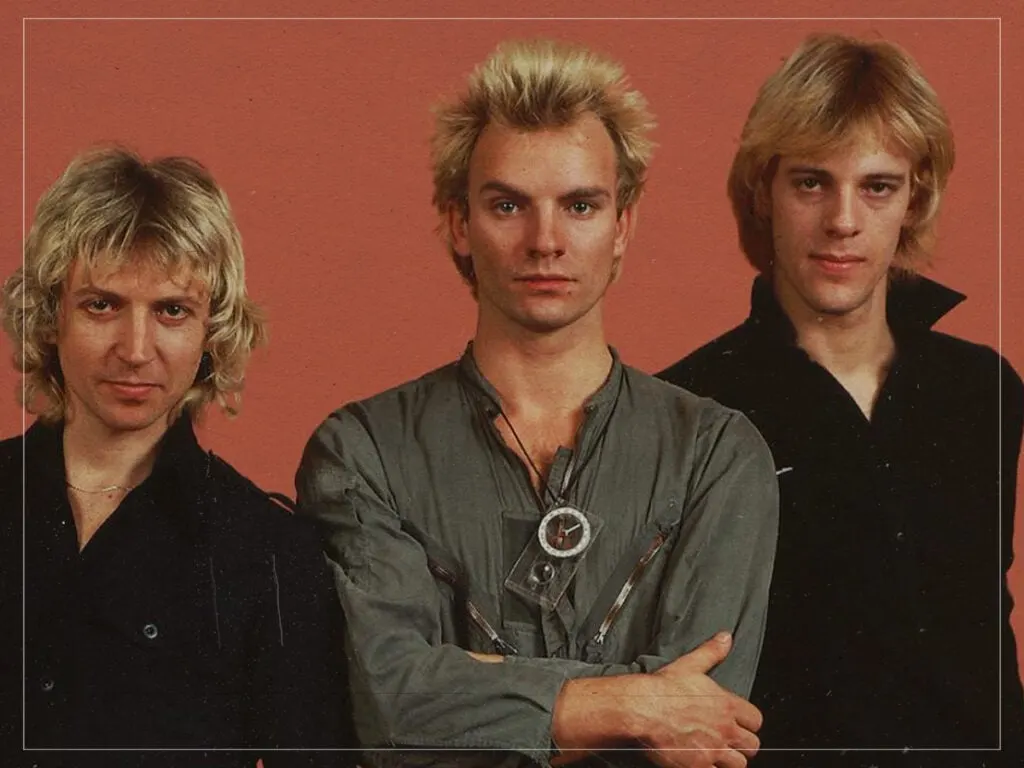
The Police portrayed “Roxanne” as banned by the BBC after it failed to make Radio One’s playlist, turning the lack of airplay into a story of punk-era rebellion. The article says the claim helped draw attention to the single and strengthen the band’s profile when their early releases had struggled.
The BBC had not banned “Roxanne”; its DJs simply did not select it for broadcast. The band repeated the tactic when “Can’t Stand Losing You” also received little airplay. “Roxanne” later reached number 12 in the UK, became a signature song and, according to the article, has surpassed a billion Spotify plays.
In short
- The Police said “Roxanne” was banned, though it had only missed the playlist.
- The claim helped attract attention during the punk era.
- The single later reached number 12 in the UK.
Steelman: both sides, in good faith
The strongest fair case each way — we don't pick a winner.
The case for
The band’s story can be seen as a playful publicity tactic that gave a struggling single a compelling identity and helped listeners notice music that might otherwise have been overlooked. In a competitive scene, supporters could argue that exaggerating the sense of conflict was a familiar form of showmanship, and that audiences remained free to judge the song for themselves.
The case against
Presenting the song as banned when the BBC had merely declined to playlist it blurred an important distinction and risked misleading listeners. Critics could argue that a false account of censorship borrowed the credibility of genuine restrictions on expression, and that artists seeking attention should not distort the facts.
Explained simply
The Police were a British rock band who emerged in the late 1970s, when punk had made a raw, rebellious sound popular. Their early singles struggled to attract listeners, and radio airplay mattered because it could introduce new songs to a much wider audience.
The BBC’s Radio One was a major source of pop music for British listeners, but its DJs chose which records to play. A song missing from the station’s playlist had not necessarily been formally banned, though describing it that way could make the absence seem like part of a challenge to authority.