Emma Reynolds criticised for excluding employers from working people category
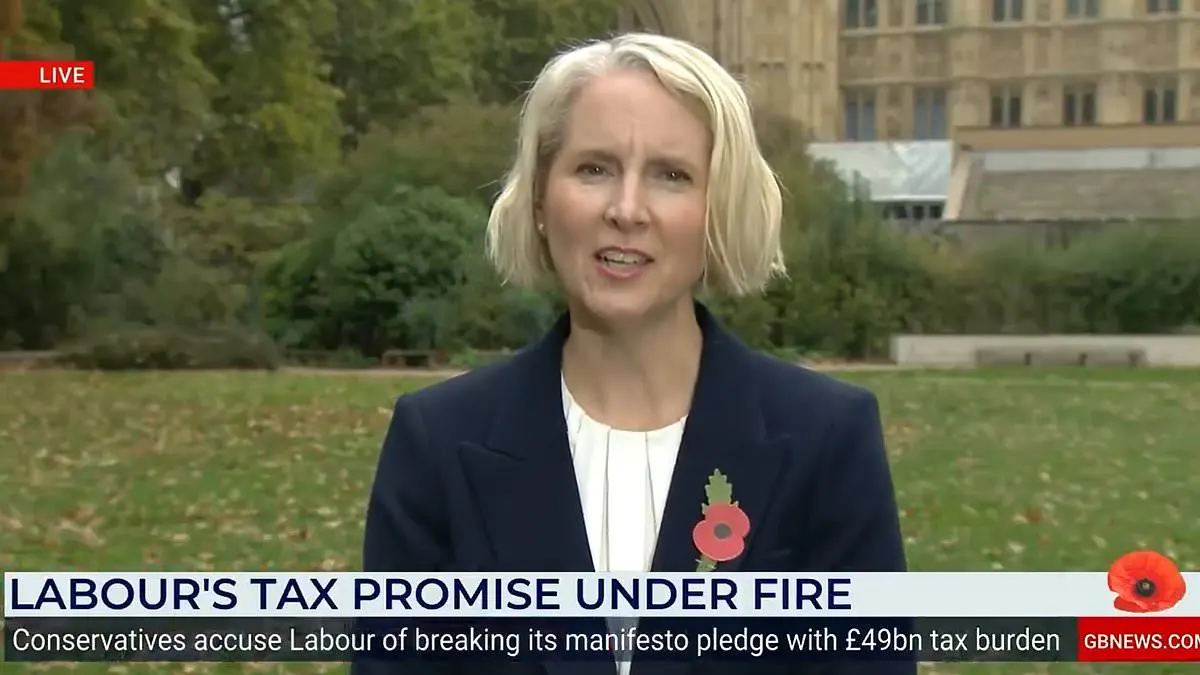
Treasury minister Emma Reynolds faced criticism after saying employers are not “working people” during an interview about Labour’s tax policies. The exchange came as she defended Budget tax increases on landlords and savers and was challenged over whether they conflicted with the party’s manifesto commitments.
Presenter Camilla Tominey cited a small-business owner facing higher costs from employer National Insurance, minimum-wage rises and inflation, and argued that employers can also be workers. Reynolds said she was distinguishing employers from employees, defended the tax rises as targeted and fair, and pointed to business-rates relief for many small firms. Conservative politicians criticised her remarks; pie-shop owner Paul Bowen has said he will not qualify for the relief because he runs two shops.
In short
- Emma Reynolds said employers are distinct from employees.
- She defended tax rises on landlords and savers.
- A pie-shop owner says he will miss business-rates relief.
Steelman: both sides, in good faith
The strongest fair case each way — we don't pick a winner.
The case for
Reynolds’s distinction can be defended as a way to describe Labour’s commitments to employees, whose pay and conditions depend on employers and who may have less power to absorb rising costs. She also argued that the tax changes were targeted and fair, and that business-rates relief would help many small firms.
The case against
Many employers are also working people: small-business owners may do day-to-day work themselves and face higher costs from employer National Insurance, wage rises and inflation. Critics can reasonably argue that excluding them from the category overlooks their experience and makes the government’s claim to protect working people seem inconsistent, particularly when some firms do not qualify for relief.
Explained simply
Emma Reynolds is a Labour Treasury minister, responsible for helping set the government’s tax and spending policies. Labour used the phrase “working people” in its election campaign, but the term can mean different things: employees, people in paid work more broadly, or those who run businesses as well as work in them.
Employer National Insurance is a tax paid by businesses on some of their employees’ earnings, while the minimum wage sets the lowest hourly rate most workers can legally be paid. Business-rates relief reduces a property-based tax for eligible firms, though the rules determine which businesses qualify.
The disagreement matters because tax changes and rising costs can affect both employers and employees, sometimes in different ways. It also raises questions about how the government defines the group it says its policies are intended to support.
Read the full article at the source →
Originally published by Daily Mail as “Labour minister faces fury after insisting employers are ‘not working people’ in awkward interview”.