US-China tariff truce leaves technology and supply chain tensions unresolved
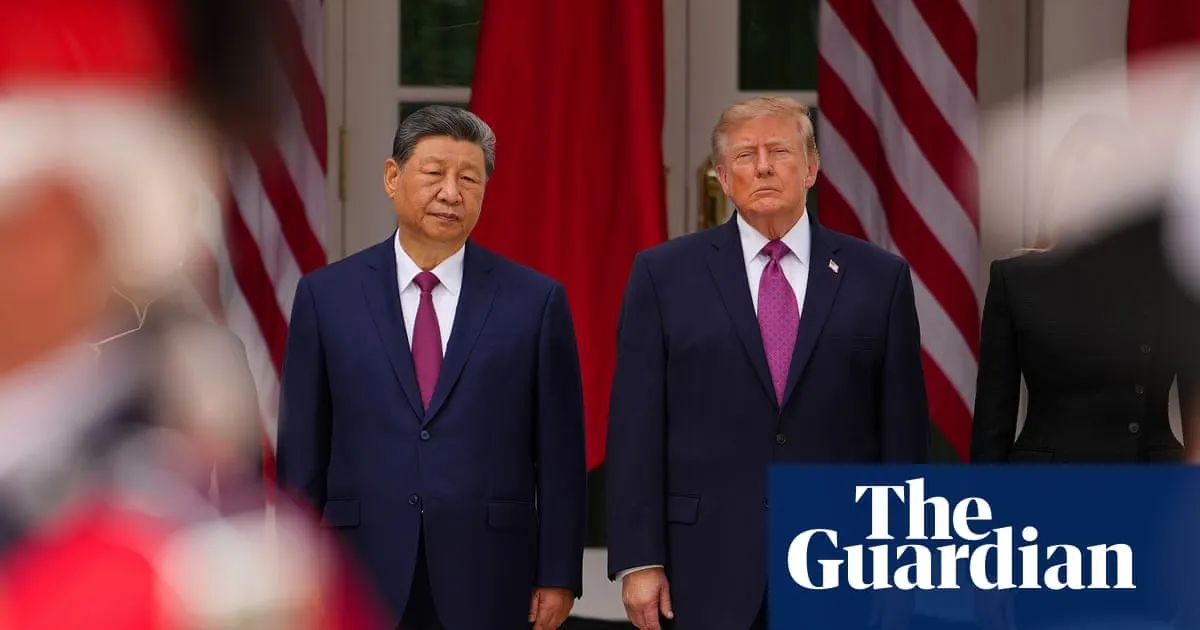
A temporary US-China trade truce has eased the immediate tariff conflict, but the underlying contest over technology and supply chains remains unresolved. The article argues that both governments see economic security as central to national power and are preparing to limit their rival’s access to vital resources and technologies, leaving the risk of renewed hostilities in place.
The US has expanded controls on technology exports, investment and transfers to China, while China has used its dominance in critical minerals to impose export restrictions, including on rare earths and magnets. The International Energy Agency estimates that a Chinese cutoff of rare earth magnets to the US and Europe could cost their economies about $1.5tn a year. The truce has been extended until next January, but neither side has established assurances to prevent another escalation.
In short
- A truce has cooled the US-China tariff conflict.
- Both countries are still competing to control strategic supply chains.
- A rare earth cutoff could cost the US and Europe $1.5tn yearly.
Steelman: both sides, in good faith
The strongest fair case each way — we don't pick a winner.
The case for
Supporters of a tougher economic-security approach argue that reliance on a strategic rival for advanced technology or critical materials can leave a country vulnerable to coercion and supply shocks. Export controls and efforts to secure alternative supplies may protect national security and give governments room to respond if tensions rise.
The case against
Critics argue that broad restrictions can deepen distrust, disrupt global supply chains and impose heavy costs on businesses and consumers, while doing little to resolve the political rivalry. They favour keeping trade and technology links open where possible, with targeted safeguards and negotiated assurances to reduce the risk of escalation.
Explained simply
The United States and China are major trading partners and competitors, with governments that increasingly treat control of key technologies and materials as part of national security. Their economic ties mean restrictions by either country can affect businesses and supply chains well beyond their borders.
The US has tightened limits on some technology exports, investment and transfers to China. China is a leading supplier of rare earths and magnets, materials used in products such as electronics and electric motors, and has restricted some exports. Both countries are seeking to reduce reliance on the other for strategically important goods.
These measures matter because companies may struggle to find alternative suppliers, and shortages can disrupt production and raise costs. The dispute also creates uncertainty for countries and firms that depend on trade with both sides.
Americas Asia Business Government Politics World
Read the full article at the source →
Originally published by The Guardian as “The US-China trade war seems to have subsided – but the sense of calm is misleading”.