Tesla’s solar roof tiles fall short as sales shift to conventional panels
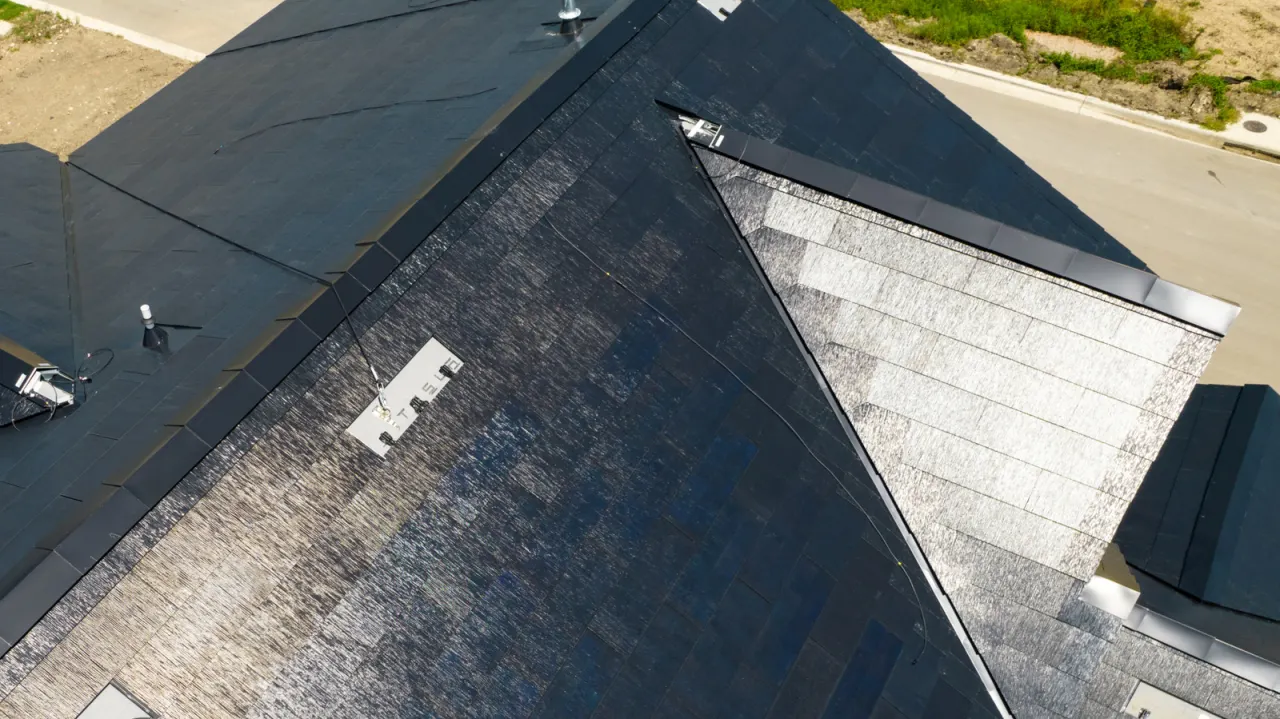
Tesla appears to be ending sales of its Solar Roof tiles, steering customers towards conventional panels after the product fell far short of its sales ambitions. The retreat marks a setback for a design intended to make solar power less conspicuous, and raises questions about whether integrated solar roofs can compete with standard panels.
The tiles were designed to resemble ordinary shingles while achieving about 98 per cent of a conventional panel’s efficiency. A Wood Mackenzie report found only 3,000 US homes had installed them by 2023; at their 2022 peak, installations were estimated at 21 to 32 a week, against Elon Musk’s target of 1,000. Prices for one example system rose from $54,966 to between $79,938 and $100,621 before incentives, while some customers also reported poor electricity output and melting underlayment.
In short
- Tesla is redirecting Solar Roof customers to conventional panels.
- Installations peaked at just 21 to 32 a week.
- High prices and missed targets undermined the product.
Steelman: both sides, in good faith
The strongest fair case each way — we don't pick a winner.
The case for
Integrated solar roof tiles can make renewable energy more acceptable to homeowners who dislike the appearance of standard panels, while combining roofing and electricity generation in one design. Their limited uptake and high costs may reflect an early product’s execution and pricing rather than the potential of the approach; continued development could improve performance and give consumers more choice.
The case against
The reported installation numbers, steep price increases and customer complaints suggest the tiles have not delivered a reliable, affordable alternative to conventional panels. Standard panels already offer a more established route to generating solar power, so directing customers towards them may better serve households and allow investment to focus on options with clearer practical value.
Explained simply
Tesla is a US company best known for electric cars, and it also sells home energy products. Its Solar Roof uses tiles that look like ordinary roof shingles but generate electricity, unlike conventional solar panels, which are fitted on top of an existing roof.
The design aimed to make solar power less visible, but adoption was limited: a research estimate found about 3,000 US homes had installed the tiles by 2023. High prices and reports of problems with performance and roof materials have raised questions about whether solar tiles can compete with conventional panels.
Read the full article at the source →
Originally published by Engadget as “Tesla is ditching its solar roof tiles for a good reason”.