MacBook Pro web browsing endurance more than quadruples since 2011
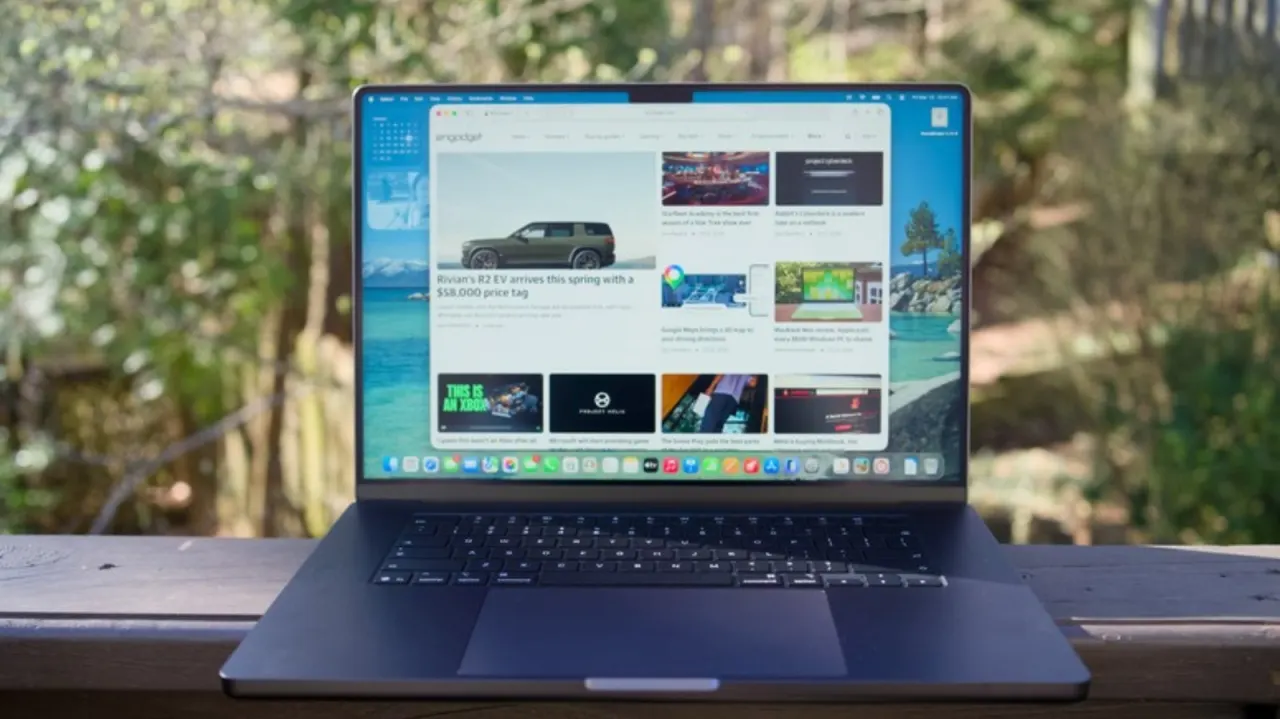
The 16-inch MacBook Pro with M5 Max lasted 30 hours and 46 minutes in a web-browsing test, compared with seven hours for a 15-inch model in 2011. That is more than four times the runtime over 15 years, while battery capacity rose by only about 30%, suggesting more efficient hardware drove most of the improvement.
The older battery was 77.5 watt-hours; the newer one is rated at 99.6 watt-hours, just below the FAA’s 100 watt-hour threshold for lithium-ion batteries that require airline approval. The 2026 model is also lighter and thinner, and its 140W adapter can charge it to 50% in about 30 minutes. The tests used similar website-browsing methods, but different screen brightness settings, so the results are not a perfect like-for-like comparison.
In short
- Battery life rose from seven to more than 30 hours.
- Capacity grew by about 30%; efficiency explains most of the gain.
- The newer model is thinner, lighter and charges faster.
Explained simply
MacBook Pro is Apple’s range of laptop computers, first introduced in 2006. Battery life depends on both the amount of energy a battery can store and how efficiently a computer uses that energy for tasks such as loading web pages.
Battery capacity is measured in watt-hours. Airline rules also use that measure: batteries above 100 watt-hours may need approval for air travel, so laptop makers can take the limit into account when designing batteries. Comparing battery tests over time can show how computer efficiency has changed, though differences in test conditions can affect the results.
Read the full article at the source →
Originally published by Engadget as “MacBook Pro battery life in 2011 vs 2026: how much has it really improved in 15 years?”.