The UK’s stance on its role in the slave trade is shifting, but reparations remain off the table
Prime Minister Andy Burnham has said he is open to a formal apology for Britain’s role in the trans-Atlantic slave trade, signalling a shift in how the government addresses the country’s past. He has ruled out reparations, however, and proposed debt restructuring for poorer Commonwealth countries instead, leaving Caribbean leaders’ demands for repair unresolved.
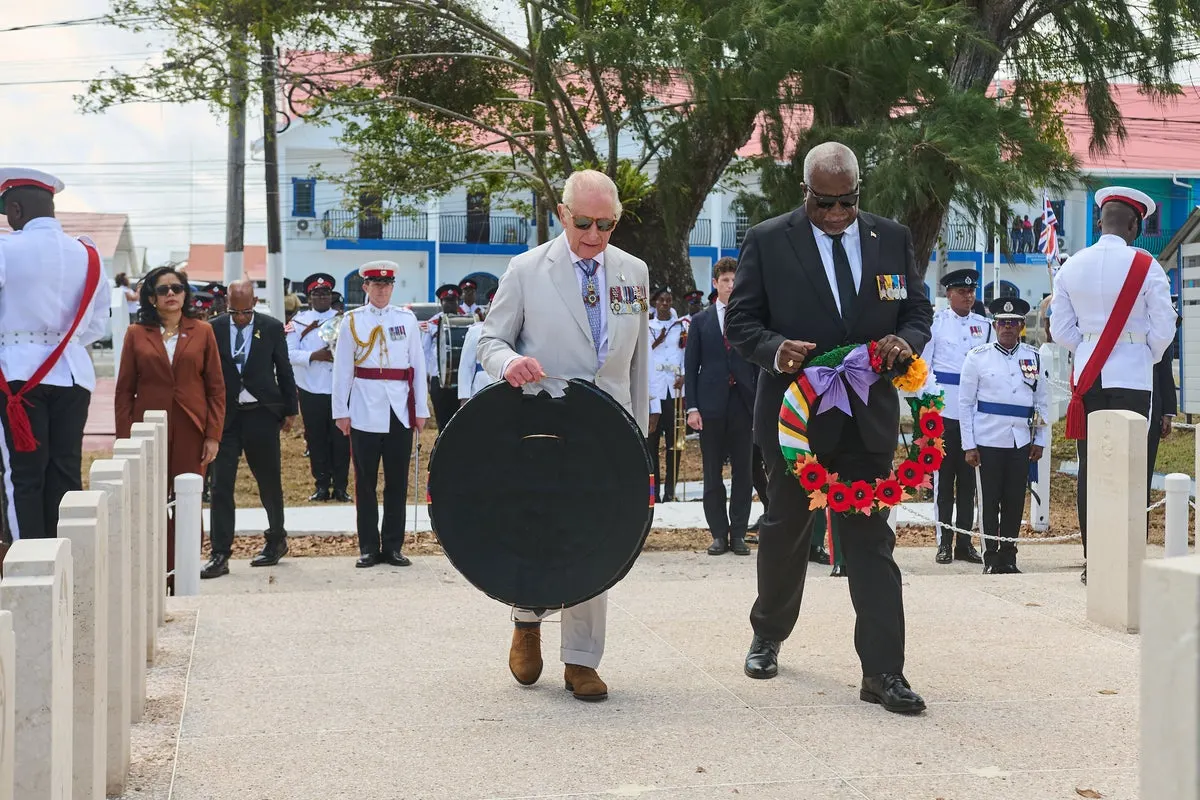
Britain transported more than three million Africans across the Atlantic and has never formally apologised for its part in the trade. Burnham said he would work with wealthy nations and investors to extend repayment periods and lower interest rates, with former prime minister Gordon Brown helping. Caricom welcomed an apology as a first step but said it would be incomplete without repair; King Charles acknowledged past suffering during a Caribbean visit but did not offer an apology or reparations.
In short
- Burnham is open to apologising for Britain’s role in slavery.
- He rejects reparations and proposes debt restructuring.
- Caricom says an apology alone would be incomplete.
Steelman: both sides, in good faith
The strongest fair case each way — we don't pick a winner.
The case for
A formal apology would acknowledge the scale of Britain’s role and the lasting harm of enslavement, while debt relief could provide practical support to poorer Commonwealth countries without creating a difficult-to-administer compensation scheme. Supporters may see this as a constructive first step that recognises historical responsibility while directing resources towards present needs.
The case against
An apology without reparations may offer recognition but leave the material consequences of slavery and colonial rule unaddressed. Caribbean leaders can reasonably argue that debt restructuring is not a substitute for repair: it does not directly compensate affected communities or fulfil claims rooted in Britain’s specific responsibility for the trade.
Explained simply
The trans-Atlantic slave trade forcibly carried millions of Africans to the Americas, where they and their descendants were enslaved. Britain was a major participant, transporting more than three million people across the Atlantic; the British government has not formally apologised for its role.
Caricom, a group of Caribbean countries, has called for repair for the lasting effects of slavery, including reparations. The debate concerns what Britain owes for its historical role and what form any response should take. Debt changes, such as lower interest rates or longer repayment periods, are one proposal raised in this discussion.