Will Democrats block the stock trading ban again after the midterm elections?
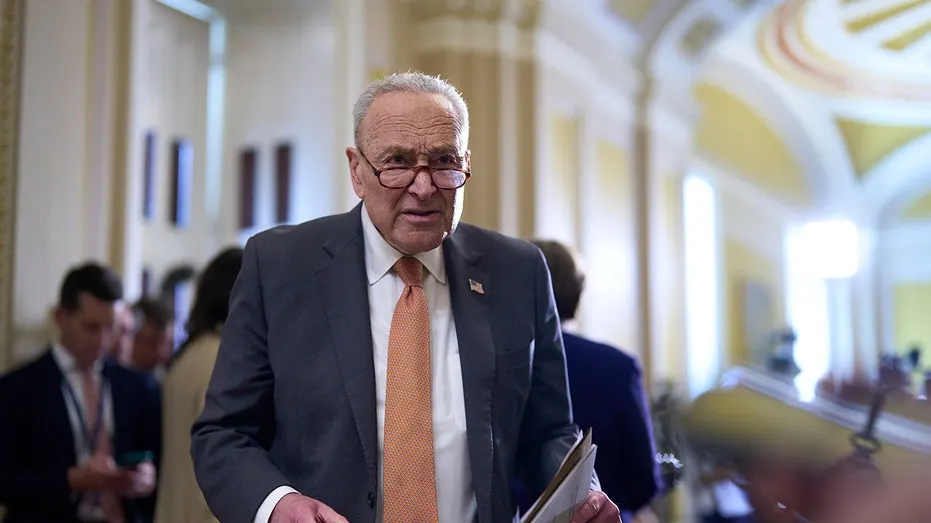
The opinion piece argues that members of Congress should be barred from trading individual stocks because their legislative decisions can affect the companies they invest in. It says public concern about political corruption is high, and criticises Senate Democrats for voting against a stock-trading bill after it passed the House.
The article says the Stop Insider Trading Act would have barred lawmakers, their spouses and dependent children from buying new public-company stocks while in office, and required advance notice before selling existing holdings. It reports that 36% of voters in a CNBC poll ranked corruption as the country’s top issue, while 93% opposed stock trading by federal officials. The piece also cites scrutiny of trades by Nancy Pelosi’s household and argues that Democrats’ objections to the bill, including its voter-identification provision, conflict with their stated support for a ban.
In short
- Senate Democrats voted against a House-passed stock-trading bill.
- The proposed ban covered lawmakers and their immediate families.
- The article links the debate to voter concerns about corruption.
Steelman: both sides, in good faith
The strongest fair case each way — we don't pick a winner.
The case for
A ban could help protect public trust by reducing the risk that lawmakers profit from decisions they influence or appear to have inside access to information. Requiring advance notice for sales and restricting new stock purchases would set clearer rules for officials and their families, while broad public opposition suggests the issue cuts across party lines.
The case against
A well-designed ban should focus on preventing conflicts of interest without attaching unrelated requirements that could undermine its legitimacy; opponents may therefore object to a bill that combines trading restrictions with voter-identification provisions. They may also favour narrower rules, such as stronger disclosure or limits on particular trades, to address conflicts while avoiding a sweeping restriction on lawmakers’ financial choices.
Explained simply
Members of the US Congress make laws and oversee government, and their decisions can affect the fortunes of companies. Some lawmakers and members of their families own shares in those companies, prompting questions about whether personal investments could conflict with public duties.
The Stop Insider Trading Act proposed restrictions on stock trading by lawmakers, their spouses and dependent children. It would have barred them from buying shares in public companies while in office and required advance notice before selling existing holdings.
The House of Representatives passed the bill, but it did not pass the Senate, where Democrats objected to parts of it, including a voter-identification provision. The debate matters because it concerns how to prevent conflicts of interest and maintain public trust in elected officials.
Business Elections Government Markets Politics World