Apple TV’s ‘Neuromancer’ Opens the Door to a Much Bigger Sci-Fi Universe
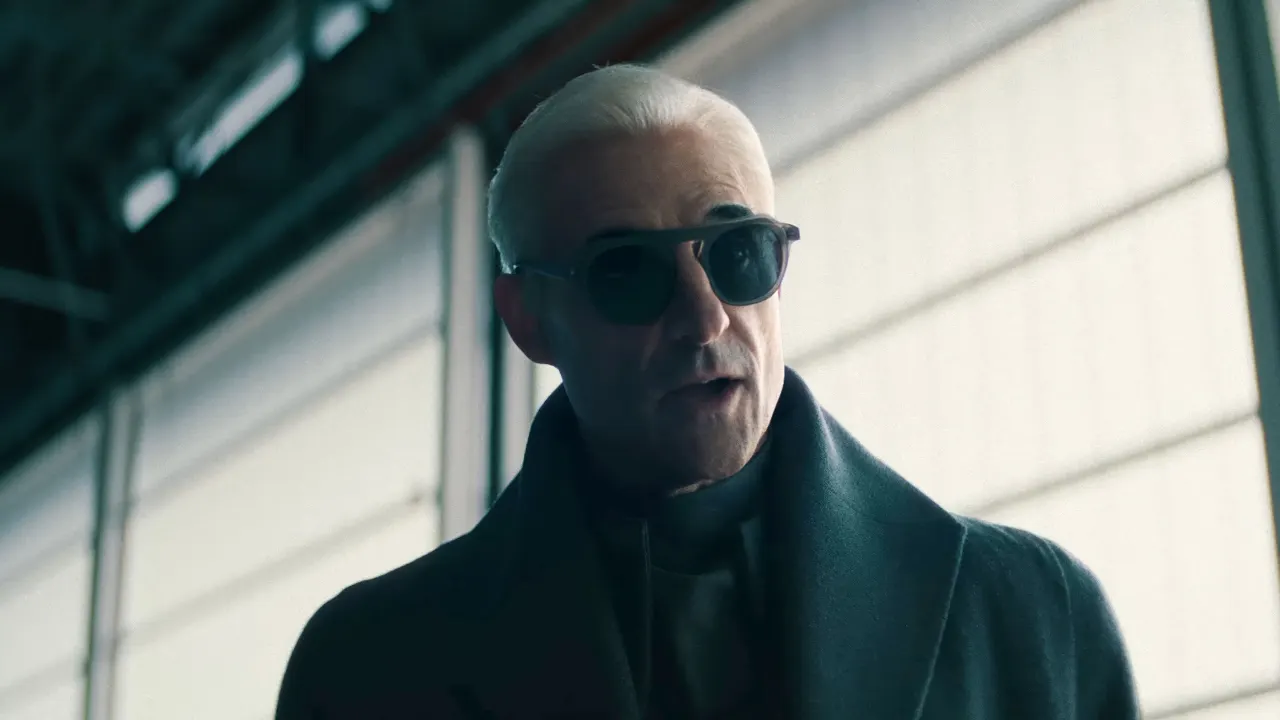
Apple TV’s upcoming adaptation of William Gibson’s *Neuromancer*, set to premiere on 22 January 2027, could be the start of a wider screen version of the author’s Sprawl stories. The article argues that adapting the two sequels could bring the books’ themes of inequality, corporate power and artificial intelligence to a television audience.
*Neuromancer* follows hacker Case, played by Callum Turner, but *Count Zero* (1986) and *Mona Lisa Overdrive* (1988) have largely different characters and settings; together, the three novels are known as the Sprawl Trilogy. The 1981 story “Burning Chrome” also takes place in that world. The books share a setting and ideas more than a continuous cast or plot, so further adaptations would be a challenging proposition, with fan interest in the first series potentially influencing Apple’s decision.
In short
- *Neuromancer* premieres on Apple TV on 22 January 2027.
- Its two sequels feature mostly new characters and settings.
- Viewer interest could shape whether Apple adapts more Sprawl stories.
Steelman: both sides, in good faith
The strongest fair case each way — we don't pick a winner.
The case for
Adapting the sequels could give viewers a richer picture of Gibson’s Sprawl, bringing its connected stories and enduring questions about inequality, corporate power and artificial intelligence to a wider audience. If the first series finds an audience, continuing could build on that interest while allowing each novel’s distinct characters and setting to stand on their own.
The case against
A first series does not guarantee that audiences will want more, and the sequels’ different characters and settings may make them harder to present as a coherent screen universe. Expanding the adaptation could also be an unnecessary commitment if the original story works best on its own or if further series cannot do justice to the books’ distinct qualities.
Explained simply
William Gibson’s Sprawl stories are set in a future shaped by powerful corporations, advanced technology and sharp divides between rich and poor. The 1981 story “Burning Chrome” came first, followed by the novels Neuromancer, Count Zero and Mona Lisa Overdrive, often grouped as the Sprawl Trilogy.
The books share a world and recurring concerns, including artificial intelligence and corporate power, but the later novels mostly follow different characters and plots. That means they can be read as related stories rather than one continuous adventure, and any screen versions would need to connect them through their setting and ideas.