In 1967, Warren Beatty made a movie that would change Hollywood. He called it “a gamble of the moment”
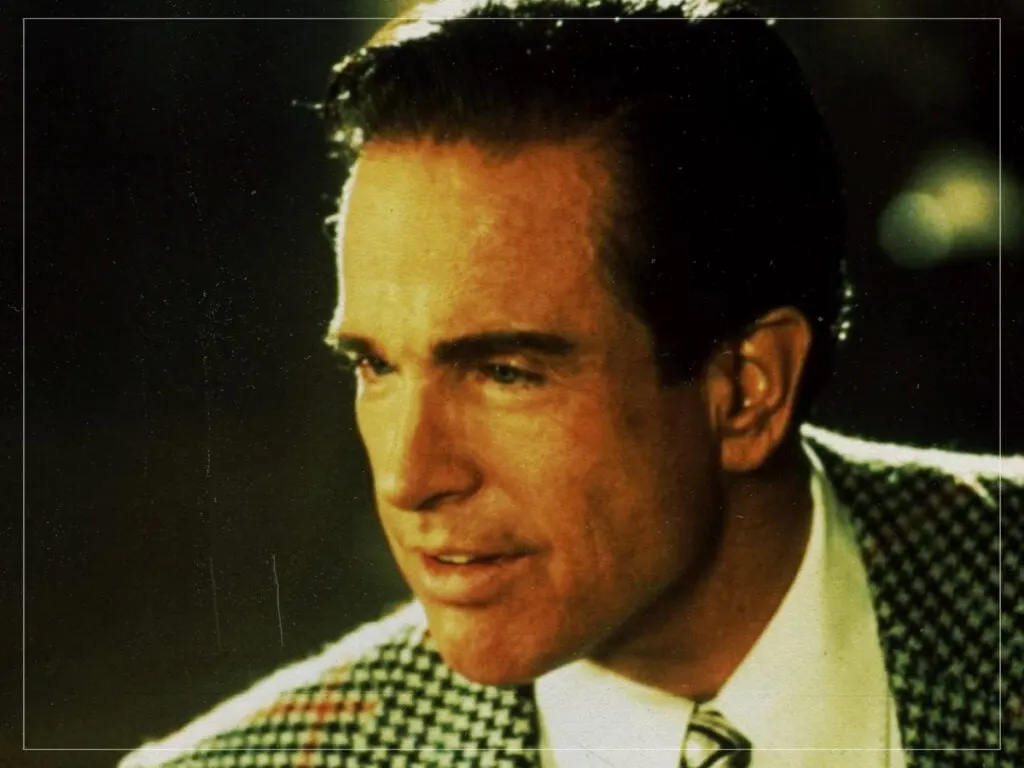
Warren Beatty’s 1967 film *Bonnie and Clyde*, directed by Arthur Penn, challenged Hollywood’s conventions and helped pave the way for New Hollywood. Its frank violence and treatment of sexuality arrived as the restrictive Hays Code was nearing its end, making the film a risky break with established cinema.
Beatty starred as Clyde Barrow and produced the film, which was based on a script by David Newman and Robert Benton and featured Faye Dunaway and Gene Hackman. It received ten Academy Award nominations and won Best Supporting Actress for Estelle Parsons. Some critics objected to its comic, sympathetic portrayal of the criminal couple, questioning whether it romanticised their relationship and killing spree.
In short
- *Bonnie and Clyde* challenged Hollywood conventions.
- Warren Beatty called making it “a gamble of the moment”.
- The film earned ten Oscar nominations and won one.
Steelman: both sides, in good faith
The strongest fair case each way — we don't pick a winner.
The case for
Bonnie and Clyde broke with restrictive conventions at a moment when American cinema was changing, using frank violence and an unconventional mix of comedy and tragedy to tell a story with emotional and artistic complexity. Its critical and awards recognition suggests the risk helped open space for filmmakers to explore difficult subjects and new styles.
The case against
The film’s comic, sympathetic portrayal of real criminals risked making their relationship and killing spree seem appealing, blurring the distinction between understanding its characters and glamorising their violence. Audiences may value artistic freedom, but critics could reasonably argue that the film’s tone softened the human cost of the crimes.
Explained simply
For much of the 20th century, Hollywood films were shaped by the Hays Code, a set of rules limiting what could be shown on screen, including violence and sexual content. By the late 1960s those restrictions were weakening, as filmmakers tested new ways to tell stories.
Warren Beatty starred in and produced Bonnie and Clyde, directed by Arthur Penn and written by David Newman and Robert Benton. Faye Dunaway and Gene Hackman also appeared in the film, which drew on the real-life criminal couple Bonnie Parker and Clyde Barrow.
The film’s mix of violence, humour and sympathy for its outlaw characters divided critics, who debated whether it made their crimes seem appealing. Its reception and awards recognition helped show that audiences and Hollywood were open to films that broke with older conventions.