Antigua PM backs republic vote and renews call for UK slavery reparations
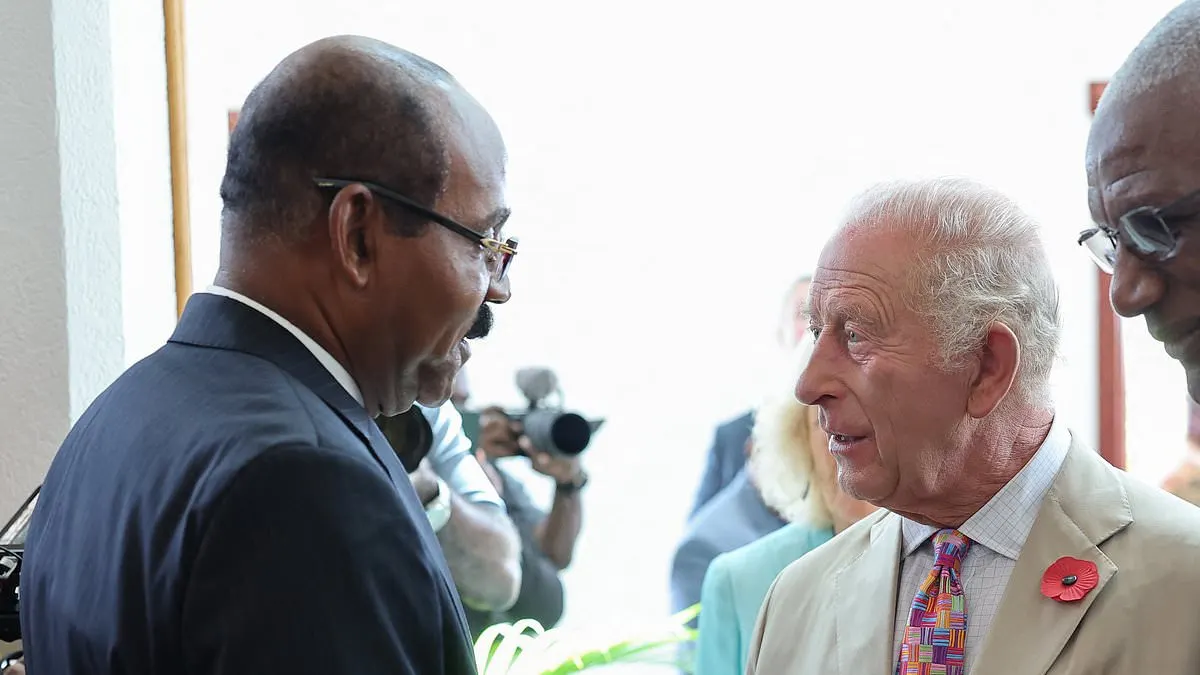
Antigua and Barbuda Prime Minister Gaston Browne said he personally wants the country to become a republic and replace King Charles as head of state, while welcoming the King and Queen Camilla during their Caribbean visit. He also renewed calls for the UK to pay reparations for slavery, arguing that addressing its legacy matters beyond the Caribbean.
Browne said a constitutional change requires more than two-thirds of Antiguans to vote in favour, and that the decision belongs to the public. He criticised Conservative leader Kemi Badenoch for opposing further apologies for the slave trade, and said reparations could be funded from the UK’s overseas development budget; he warned that failure to compensate could risk future atrocities.
In short
- Browne wants Antigua and Barbuda to become a republic.
- A constitutional change needs support from more than two-thirds of voters.
- He called for UK reparations for slavery and criticised Kemi Badenoch.
Steelman: both sides, in good faith
The strongest fair case each way — we don't pick a winner.
The case for
Supporters of becoming a republic argue that Antigua and Barbuda should choose its own head of state, reflecting its independence and giving citizens a direct say through the proposed high-threshold vote. Advocates of reparations say Britain’s role in slavery created lasting harms, and that compensation or development funding could be a meaningful form of redress and help confront that legacy.
The case against
Those who favour retaining the monarchy may value the constitutional continuity and shared institutions it represents, and may argue that changing the head of state should depend on a clear public mandate rather than a prime minister’s preference. Critics of reparations may accept the historical wrong while questioning whether present-day taxpayers should bear financial liability for past actions, or whether aid and investment are fairer ways to address continuing disadvantage.
Explained simply
Antigua and Barbuda is an independent Caribbean country, but King Charles is still its ceremonial head of state. The prime minister leads the elected government, while changing the head of state would require a constitutional change and public support.
The country was part of the British Empire, where enslaved Africans were forced to work on plantations. Calls for reparations seek compensation or other action to address the lasting effects of slavery; countries and campaigners differ over what should be done and who should pay.
Read the full article at the source →
Originally published by Daily Mail as “Antigua’s PM welcomes Charles – then says he wants to REMOVE him as head of state, blasts Kemi Badenoch and demands UK pay huge reparations over slavery ‘so there isn’t a repeat’”.