Technology news and discussion on TalkFuse.
Ryanair weighs temporary pay freezes and leaner flight crews amid fuel costs
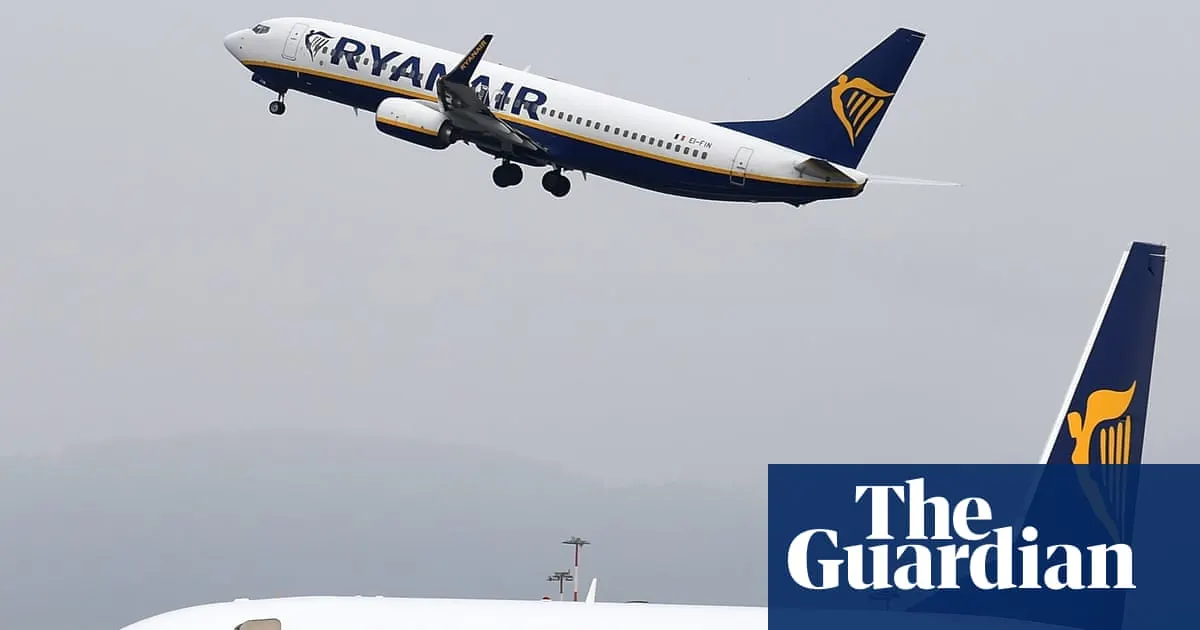
Ryanair is reviewing cost cuts, including possible temporary pay freezes, fewer crew on flights and wider use of AI, as it braces for higher fuel bills linked to the Middle East conflict. The measures could help Europe’s biggest low-cost airline by passenger numbers absorb costs it expects ticket-price rises may not fully cover.
Ryanair estimates its fuel bill will increase by about €2bn in the financial year ending March 2028 and expects European short-haul fares to rise materially, potentially by up to 20% across the sector. Its fuel is hedged at $67 a barrel for 80% of needs through March, and at $95 for 25% of needs over the following year. In the quarter to September, average fares fell 2% year on year, while passenger numbers rose 5% to 64.5 million and post-tax profit fell 6% to €1.61bn.
In short
- Ryanair is weighing pay freezes and fewer crew to cut costs.
- It forecasts a €2bn rise in fuel costs by March 2028.
- The airline expects short-haul fares to rise materially.
Steelman: both sides, in good faith
The strongest fair case each way — we don't pick a winner.
The case for
Temporary pay restraint, leaner crews where safety and service standards allow, and wider use of AI could help Ryanair manage a sharp rise in fuel costs without relying entirely on higher fares. Protecting the airline’s cost base may preserve its ability to offer low prices, support demand and limit pressure on jobs and the business if customers cannot absorb fare increases.
The case against
Pay freezes and fewer crew could shift the burden of higher fuel costs onto employees and passengers, while risking morale, service quality or operational resilience. If fares are already expected to rise substantially, workers and customers may reasonably question whether staff restraint and automation are fair or necessary, particularly when the company remains profitable.
Explained simply
Ryanair is a low-cost airline based in Ireland that flies across Europe and beyond. Its business depends on carrying large numbers of passengers while keeping operating costs low; fuel and staff are among those costs.
Jet fuel prices can change quickly, and airlines often buy some fuel in advance at agreed prices, a practice called hedging. Ryanair’s chief executive, Michael O’Leary, leads the company, while its pilots and cabin crew are represented by staff and unions. Changes to pay or the number of crew on flights could affect employees and how the airline operates.
Higher fuel costs matter because airlines may not be able to pass all of them on to passengers through fares. The issue also affects travellers and other European airlines, which face the same pressure to balance ticket prices, costs and demand.
AI Art Business Culture Europe Middle East Technology Travel World
Read the full article at the source →
Originally published by The Guardian as “Ryanair considers pay freezes and reducing crew on flights as fuel costs soar”.