Culture news and discussion on TalkFuse.
Laura Kuenssberg argues British politics has normalised extraordinary conduct
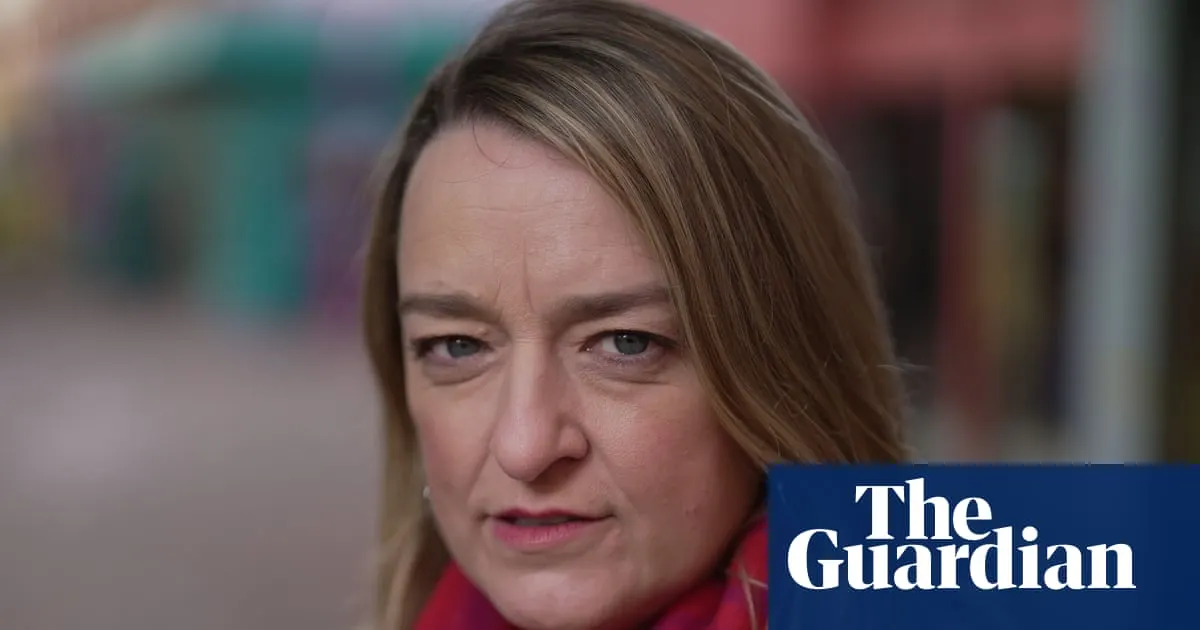
Laura Kuenssberg’s *Pay Attention* argues that British politics has come to treat once extraordinary conduct as normal, while politicians avoid difficult truths and scrutiny. The review presents the book as a serious expression of frustration with failures of governance and with voters’ apparent reluctance to engage with the consequences.
Drawing on more than two decades covering Westminster, Kuenssberg discusses the rapid turnover of prime ministers, Boris Johnson’s conduct in Downing Street and Keir Starmer’s large majority without a clear public case for his plans. She examines how Nigel Farage deflects questions and claims media persecution, while arguing that concerns about immigration and the state’s response helped create an opening for his politics. The review also notes her criticism of short attention spans and interview formats that favour personal backstories over policy.
In short
- Kuenssberg says British politics has normalised behaviour that once seemed exceptional.
- Her book examines failures of governance and politicians’ resistance to scrutiny.
- She links changing public concerns about immigration to Farage’s political opening.
Steelman: both sides, in good faith
The strongest fair case each way — we don't pick a winner.
The case for
Kuenssberg’s argument is that treating serious breaches of political standards as routine weakens accountability and public trust. Rapid changes of prime minister, evasive answers and limited scrutiny of governing plans can leave voters less able to judge those in power, while difficult policy problems such as immigration go unaddressed.
The case against
A critic could argue that calling conduct “extraordinary” risks overstating the role of individual politicians and underplaying voters’ reasons for disengagement, including dissatisfaction with institutions and unmet concerns such as immigration. A large majority does not itself show that a government lacks a mandate, and politicians may reasonably challenge media coverage they see as selective while seeking formats that connect with audiences.
Explained simply
Laura Kuenssberg is a British political journalist who has covered Westminster, the centre of national politics, for more than 20 years. Her book looks at changes in political standards and public debate through a period of frequent changes of prime minister and growing scrutiny of how leaders use power.
The figures discussed include former prime minister Boris Johnson, current prime minister Keir Starmer and Reform UK leader Nigel Farage. Their actions and political arguments form part of wider debates about government, immigration, the media and how voters judge political leaders.
The book also considers how news interviews and public attention shape discussion of policy. These issues matter because they affect how clearly politicians explain their plans and how well the public can assess them.
Read the full article at the source →
Originally published by The Guardian as “Pay Attention by Laura Kuenssberg review – a BBC reporter’s howl of frustration”.