World news and discussion on TalkFuse.
Burnham’s surrender summit: PM to blow £450m on cut-price tuition fees for EU students and agree 80,000 a year youth ‘free movement’ scheme – as Labour pushes to undo Brexit
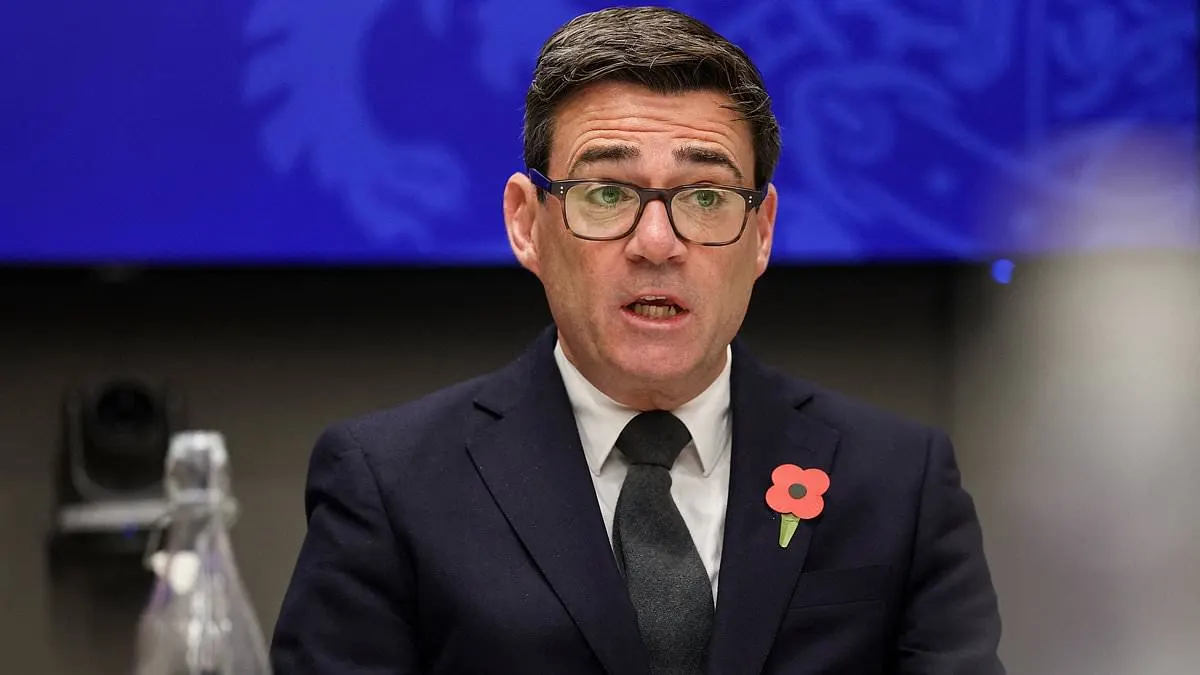
The UK Government is reportedly considering concessions to deepen ties with the EU at a summit later this month, including subsidising tuition fees for EU students. The talks matter because they could bring closer economic and youth links, while reigniting debate over how far Labour intends to reverse or soften Brexit.
Reports put the proposed annual tuition subsidy at £450 million, potentially in exchange for British firms joining the EU’s “Made in Europe” programme for public contracts and subsidies. A youth mobility scheme could allow up to 80,000 EU students and young adults to come to the UK each year. EU foreign affairs chief Kaja Kallas warned that negotiations would be difficult, while Wes Streeting said rejoining the bloc was not an immediate prospect; Reform MP Danny Kruger said his party would reverse planned changes.
In short
- A reported £450 million tuition offer could support closer UK-EU ties.
- A youth mobility scheme may cover up to 80,000 people annually.
- Kaja Kallas warned that negotiations would be difficult.
Steelman: both sides, in good faith
The strongest fair case each way — we don't pick a winner.
The case for
Closer ties could give British firms better access to EU public contracts and subsidies, while helping universities attract students and sustain valuable educational and cultural exchanges. A limited youth mobility scheme could offer young people opportunities on both sides without amounting to full EU free movement, and negotiated cooperation may bring practical benefits while leaving formal membership aside.
The case against
The reported tuition subsidy could place a substantial recurring cost on taxpayers, and any deal should show clearly that the economic gains justify it. A scheme allowing up to 80,000 EU arrivals annually may weaken public confidence in Brexit-era controls and could be seen as reopening questions voters considered settled; critics may favour cooperation that does not expand mobility or tie British policy more closely to EU programmes.
Explained simply
The UK left the European Union in 2020, ending its participation in arrangements that allowed people, goods and services to move more freely between the two sides. Since then, UK and EU governments have negotiated changes to their relationship, including rules on trade and cooperation.
The reported proposals concern two areas: support for EU students’ university fees and a scheme for young people to live, study or work across borders for a limited time. They would involve the UK Government and EU representatives, including foreign affairs chief Kaja Kallas; UK politicians Wes Streeting and Danny Kruger have also commented on the wider debate.
Closer links could offer opportunities for students and businesses, while raising questions about public spending and the terms of the UK’s relationship with the EU. The proposals have also brought attention to Labour’s approach to Brexit, though Streeting has said rejoining the EU is not an immediate prospect.
Europe Geopolitics Government Politics UK World