Business news and discussion on TalkFuse.
Ibstock cuts production by a fifth after sales slump deepens
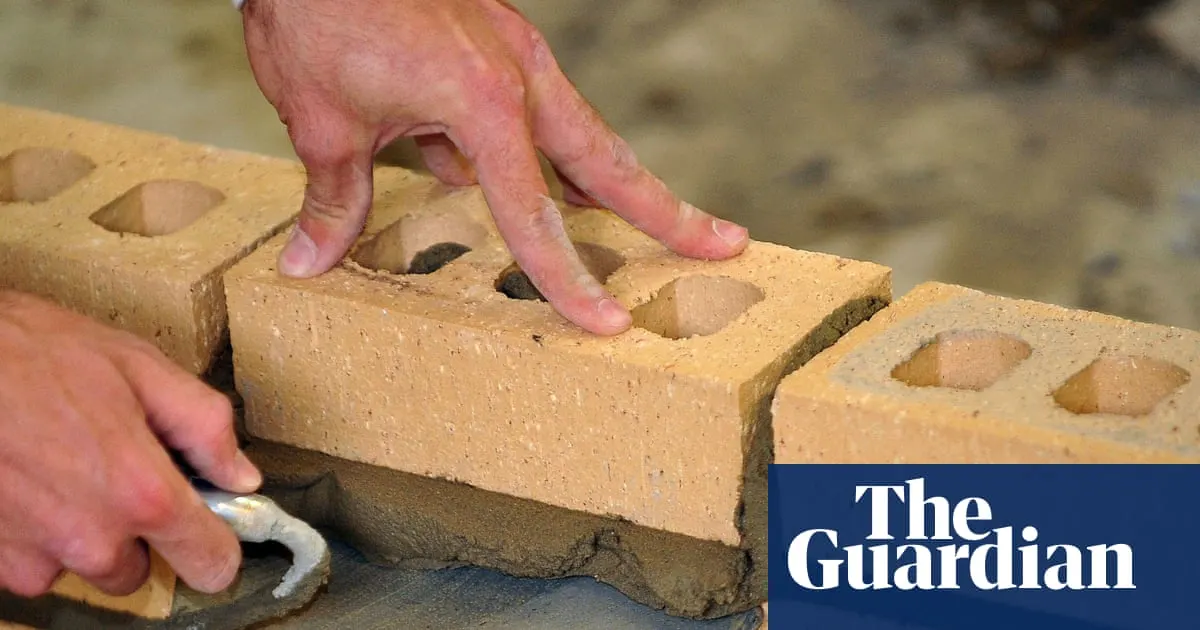
Ibstock, the UK’s largest brickmaker, said sales fell sharply as the housing downturn deepened, prompting it to cut production by a fifth and issue its second profit warning this year. The company blamed weak demand and criticised the government for delaying a first-time buyer support scheme, adding pressure to an industry already facing doubts about housebuilding targets.
Sales in the quarter to the end of September were 22% below Ibstock’s expectations, while UK brick market volumes fell 17% year on year in July and August. The company expects full-year profits in the mid-£40m range, compared with analysts’ previous forecast of £59m, and its shares fell by more than 8%. A government scheme offering eligible first-time buyers in England a 2.5% deposit for a new-build home is due to begin in April 2027; the housing secretary has said there is only a slim chance of meeting the target of 1.5 million new homes this parliament.
In short
- Ibstock sales fell 22% below expectations in the third quarter.
- Production was cut by a fifth as housing demand weakened.
- The company expects profits in the mid-£40m range.
Steelman: both sides, in good faith
The strongest fair case each way — we don't pick a winner.
The case for
Supporters of the buyer scheme could argue that a smaller deposit would help creditworthy first-time buyers overcome a major barrier to purchasing a new-build home, supporting household formation and demand for homes. Starting sooner might also give builders and suppliers more confidence to invest and sustain production amid a sharp downturn.
The case against
Critics could argue that a deposit scheme risks bringing forward purchases without addressing the deeper causes of weak housing demand, such as affordability and limited supply, and could expose buyers to larger debts. They may also say that public support should be carefully targeted and timed, since a scheme that boosts demand before enough homes are built could push up prices rather than improve access.
Explained simply
Ibstock makes bricks used in homes and other buildings, so its fortunes are closely tied to construction. When fewer homes are being built or buyers delay purchases, builders tend to order fewer bricks.
The wider UK housing market has been affected by weaker demand and uncertainty over how many new homes will be built. Government targets and support for first-time buyers matter because they can influence how many people buy newly built homes, and how quickly builders start projects.
Ibstock is the country’s largest brickmaker, while housebuilders and homebuyers are among the groups that shape demand for its products. Changes in brick sales can therefore offer a sign of conditions in the building industry, as well as affect the company’s profits and workforce.
Business Government Markets Politics
Read the full article at the source →
Originally published by The Guardian as “UK’s largest brickmaker hit by sales slump as housebuilding downturn deepens”.