Business news and discussion on TalkFuse.
SCHOEN, COOPERMAN: Democrats close in as Republicans scramble to hold Congress
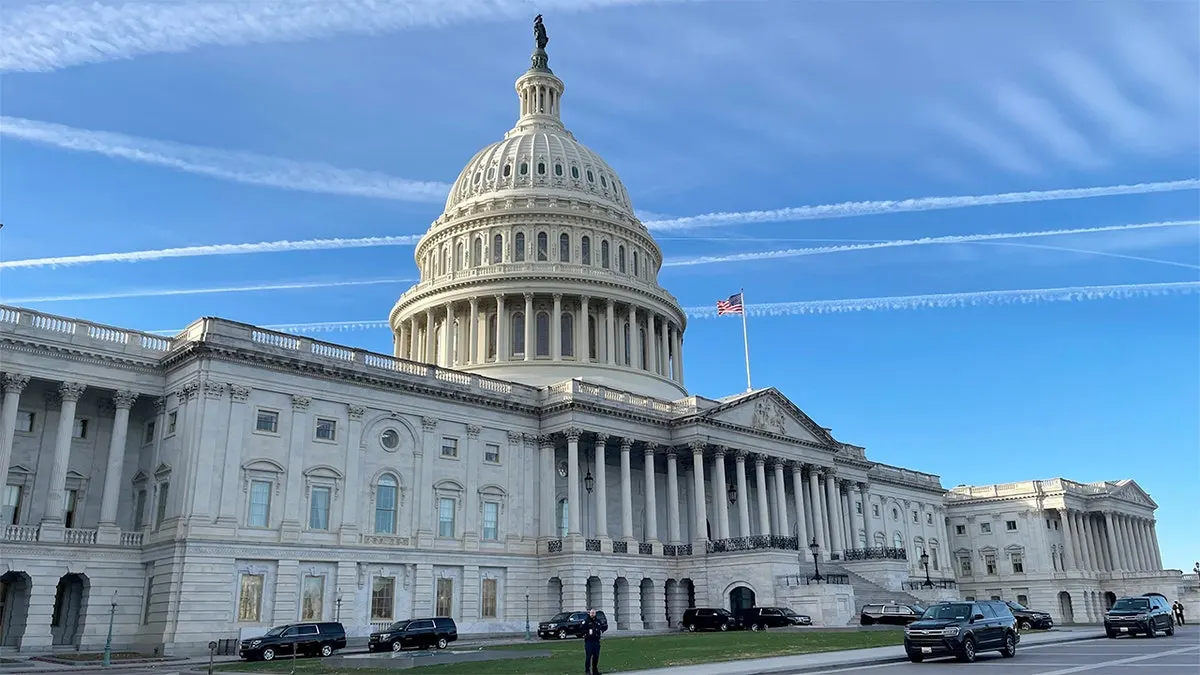
Polls and forecasts cited in the article suggest Democrats are gaining ground ahead of the 2026 midterm elections, with a growing chance of taking control of both chambers of Congress. The shift matters because it could give Democrats a House majority and open several paths to a Senate majority, despite Republicans holding both chambers after the previous election.
The Cook Political Report projects Democrats could gain 12 to 25 House seats; VoteHub and Decision Desk put their chances of winning the House at 89% and 83%, while Kalshi gives them a 93% chance. Senate contests are close across several states: recent polls show Democratic leads in Kansas, Maine, Texas, Ohio and Michigan, and Roy Cooper leads in North Carolina by nearly 11 points. The article links the shift partly to President Trump’s approval rating below 40%, including 29% approval of his handling of the economy and 22% for inflation.
In short
- Forecasts point to Democratic gains in the House.
- Several Senate races are close or show Democratic leads.
- Trump’s low approval is cited as a factor.
Steelman: both sides, in good faith
The strongest fair case each way — we don't pick a winner.
The case for
Democrats can argue that the polling points to voters seeking a change in direction, particularly over the economy and inflation, and that gains in both chambers would give Congress a mandate to scrutinise the administration and pursue different policies. The projected leads across several competitive Senate races and the House forecasts suggest this could be a broad shift rather than a single-seat upset.
The case against
Republicans can argue that forecasts made well before election day are uncertain, and that close state races can shift as campaigns develop and voters weigh candidates and issues beyond presidential approval. Retaining Congress would let them continue advancing their legislative agenda, while warning that a Democratic majority could bring gridlock or reverse policies their supporters favour.
Explained simply
Congress is the part of the US government that makes federal laws and has two chambers: the House of Representatives and the Senate. Voters elect members of both in midterm elections, held halfway through a president’s four-year term; Republicans currently control both chambers.
The two parties are the Democrats and Republicans, and control of either chamber affects which bills can pass and how the government oversees the president. Polls and forecasts estimate how races may go, but they can change and are not results. A president’s approval ratings can shape how voters view the party in power, alongside local candidates and issues.
Business Elections Government Markets Politics World