Entertainment news and discussion on TalkFuse.
The 10 Greatest Epic War Movies of the Last 100 Years, Ranked
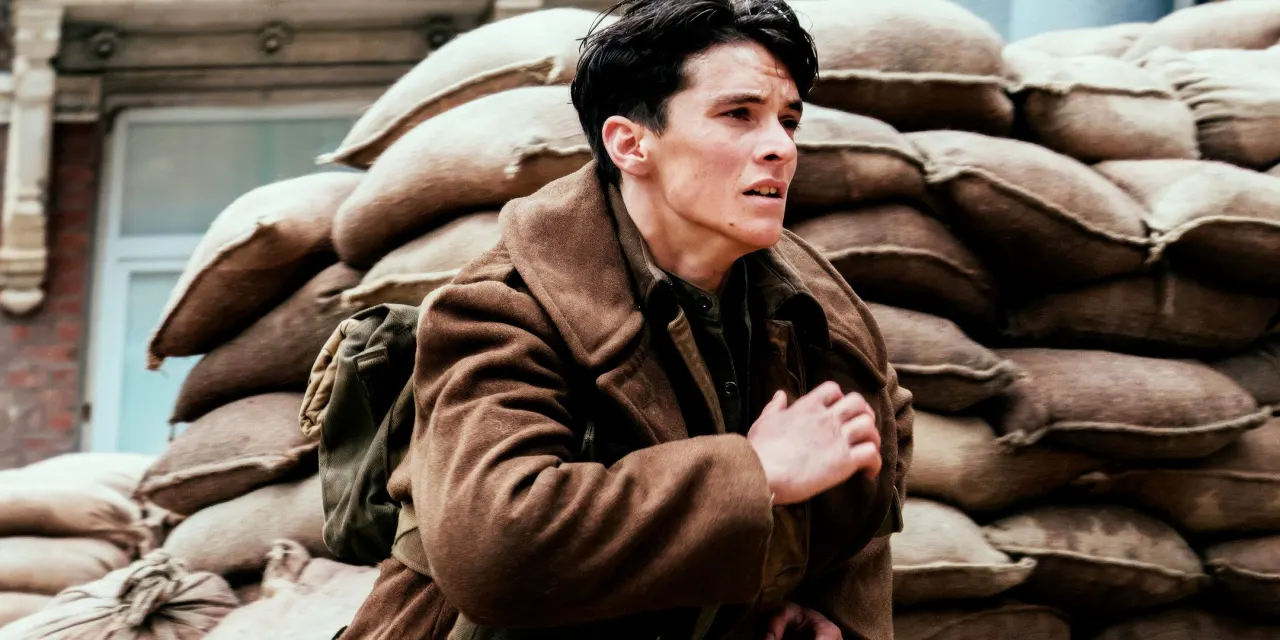
The article ranks ten epic war films from the past century, arguing that the genre’s scale and spectacle have made it a lasting part of film history. It highlights how these films can also explore the political and psychological effects of conflict, though some prioritise myth and entertainment over historical accuracy.
The excerpt discusses Ridley Scott’s *Kingdom of Heaven*, Abel Gance’s silent *Napoléon* and John Woo’s *Red Cliff*. It praises the director’s cut of *Kingdom of Heaven* after the original release was heavily edited, notes that versions of *Napoléon* range from under two hours to more than nine, and describes *Red Cliff* as Woo’s return to Asian cinema, based on a third-century Chinese battle.
In short
- The article ranks ten large-scale war films from the past century.
- *Kingdom of Heaven* is praised in its director’s cut.
- *Napoléon* and *Red Cliff* are noted for their cinematic scale.
Explained simply
Epic war films place battles within larger stories about armies, leaders and the societies caught up in conflict. Their scale can make them popular cinema, while their portrayals of war may also examine its political and psychological effects.
The films discussed include Ridley Scott’s Kingdom of Heaven, Abel Gance’s silent Napoléon and John Woo’s Red Cliff, which draws on a third-century Chinese battle. They reflect different approaches to history: some use real events as a basis for drama, while others give greater weight to spectacle and legend.
How audiences encounter a film can depend on its version: Kingdom of Heaven had a longer director’s cut after its original release was heavily edited, and surviving versions of Napoléon vary greatly in length. These differences matter when considering how a film was made and what viewers are seeing.