Culture news and discussion on TalkFuse.
Trump weighs Iran strikes and possible post-midterm dismissals of Hegseth and Caine
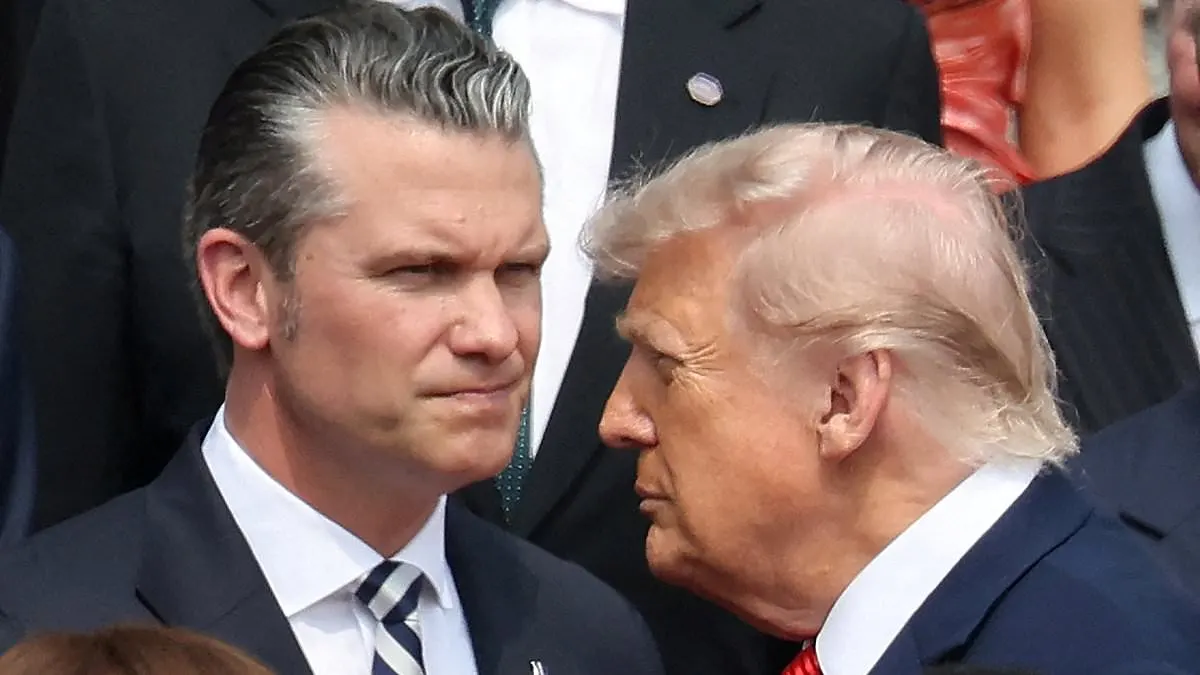
Donald Trump is weighing renewed strikes on Iran while privately asking advisers whether Defence Secretary Pete Hegseth and General Dan Caine should be dismissed after the US midterms. The article says Trump believes the conflict could hurt Republican chances of keeping control of Congress and is scrutinising officials who had predicted a quick end to the war.
The reported military options range from strikes lasting hours to a campaign of several weeks, including attacks on Iran’s nuclear programme; Trump could also maintain the naval blockade at the Strait of Hormuz or withdraw. Israeli Prime Minister Benjamin Netanyahu is pressing for an immediate attack, while Trump wants negotiations to continue. Vice-President JD Vance has proposed renewed direct talks, with Iran’s nuclear programme included from the outset.
In short
- Trump is considering whether to dismiss Hegseth and Caine after the midterms.
- US options range from brief strikes to a weeks-long campaign against Iran.
- Netanyahu favours an immediate attack; Trump wants talks to continue.
Steelman: both sides, in good faith
The strongest fair case each way — we don't pick a winner.
The case for
Supporters of renewed strikes could argue that military pressure may constrain Iran’s nuclear programme, strengthen deterrence and improve the terms of any negotiations. They may see a limited operation as a way to address a serious security risk while holding officials accountable for forecasts that proved overconfident, and regard dismissals as a legitimate presidential choice.
The case against
Those opposed could argue that renewed attacks risk widening the conflict, endangering lives and making a negotiated settlement harder, while a blockade or withdrawal may carry its own strategic costs. They may also contend that judging military leaders or changing policy around midterm prospects could weaken sound decision-making, and that direct talks offer a better chance of addressing Iran’s nuclear programme without further escalation.
Explained simply
Iran’s nuclear programme has been a long-running source of tension with the United States and Israel. The Strait of Hormuz, a narrow waterway beside Iran, is a major route for oil and other shipping, so military action or restrictions there could affect trade beyond the region.
Donald Trump is the US president and commander-in-chief; Pete Hegseth leads the Defence Department, while General Dan Caine is the senior military officer advising him. Israeli Prime Minister Benjamin Netanyahu is a key regional leader, and Vice-President JD Vance is involved in the administration’s approach to Iran.
The dispute matters in US domestic politics as well as in the Middle East: the midterm elections determine control of Congress, which scrutinises the president and shapes legislation. Decisions about military action, negotiations and senior officials can therefore have consequences for both US policy and the balance of power in the region.
Art Culture Elections Middle East Politics World
Read the full article at the source →
Originally published by Daily Mail as “Trump’s secret plot to knife Pete Hegseth as White House plans fresh Iran strikes and phone call with Netanyahu leaks”.