Culture news and discussion on TalkFuse.
Birdbuddy vs. Birdfy: Which Budget Smart Feeder Should You Buy? (2026)
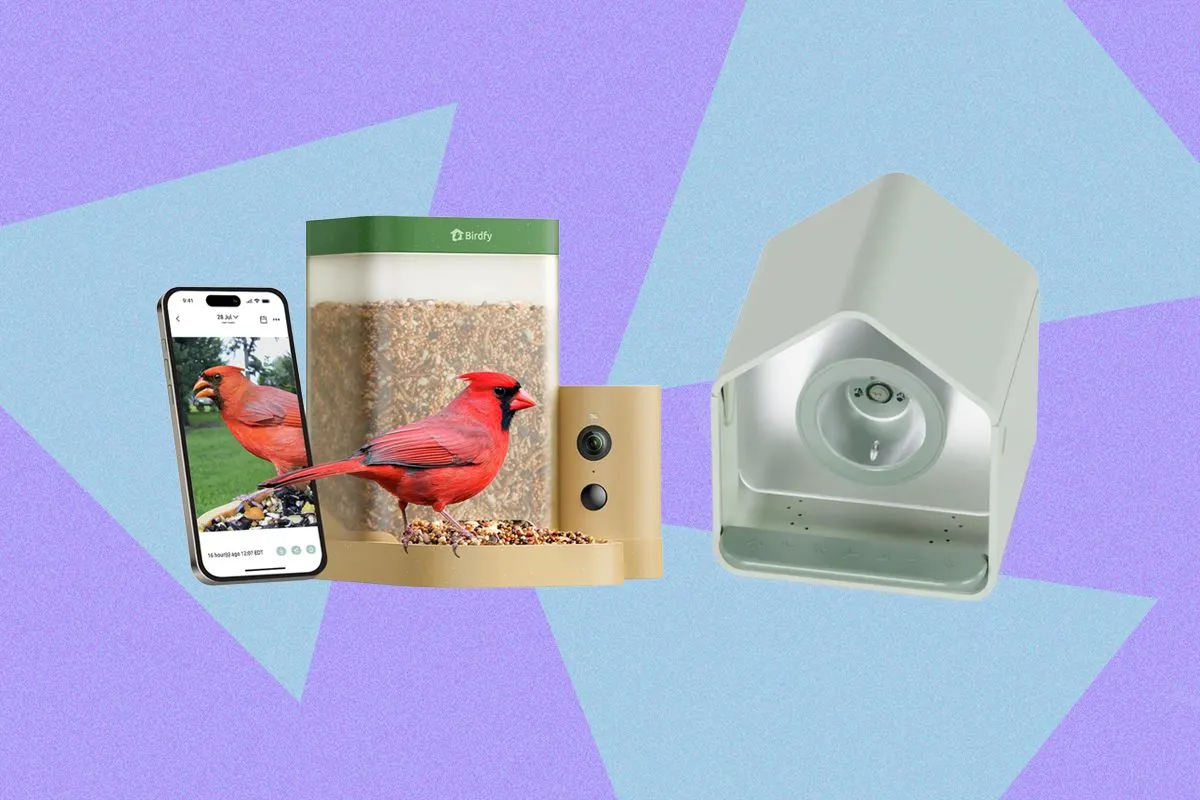
Birdbuddy’s Nook narrowly beat Birdfy’s Rookie in a four-week comparison of two smart bird feeders priced below $100. The Nook costs $20 more, but its more premium hardware gave it the edge, despite missing some bird visits.
The Rookie is a simple, 1.3-litre feeder with a 1080p side camera, USB-C charging and no solar panel; its battery lasted under two weeks in testing, and rain could reach the seed. Its app offers unlimited automatic bird identification without a subscription, though free storage is limited to 5 GB and videos to 20 seconds. The Nook has a roof and hinged lid, while its $99 version excludes the extended perch and solar roof.
In short
- Birdbuddy’s Nook narrowly won the comparison.
- The Rookie costs less and identifies birds free.
- Testing found battery and weatherproofing drawbacks with the Rookie.
Steelman: both sides, in good faith
The strongest fair case each way — we don't pick a winner.
The case for
The Nook is a reasonable choice for buyers who value sturdier, more weather-conscious hardware and are willing to pay $20 more; its roof and hinged lid may help protect seed, and it narrowly came out ahead in the comparison. Paying extra can make sense if the feeder will be outdoors for long periods and durability matters more than the lowest upfront cost.
The case against
The Rookie offers a simpler, lower-cost way to try a smart feeder, with unlimited automatic bird identification and USB-C charging without a subscription. Its shorter battery life and exposure to rain are drawbacks, but buyers with a sheltered location or who are comfortable recharging it may find the savings and included features more valuable than the Nook’s hardware advantages.
Explained simply
Smart bird feeders use cameras and companion apps to record visiting birds, and some can suggest what species they are. Birdbuddy and Birdfy are two companies selling models aimed at people who want these features without spending as much as on their higher-priced feeders.
The models in this comparison differ in design and what comes in the box, as well as in their app features and running costs. Those differences matter because a feeder’s weather protection, battery life, storage limits and optional extras can affect how useful it is at home.