World news and discussion on TalkFuse.
France consults European allies on covering North Atlantic naval gaps
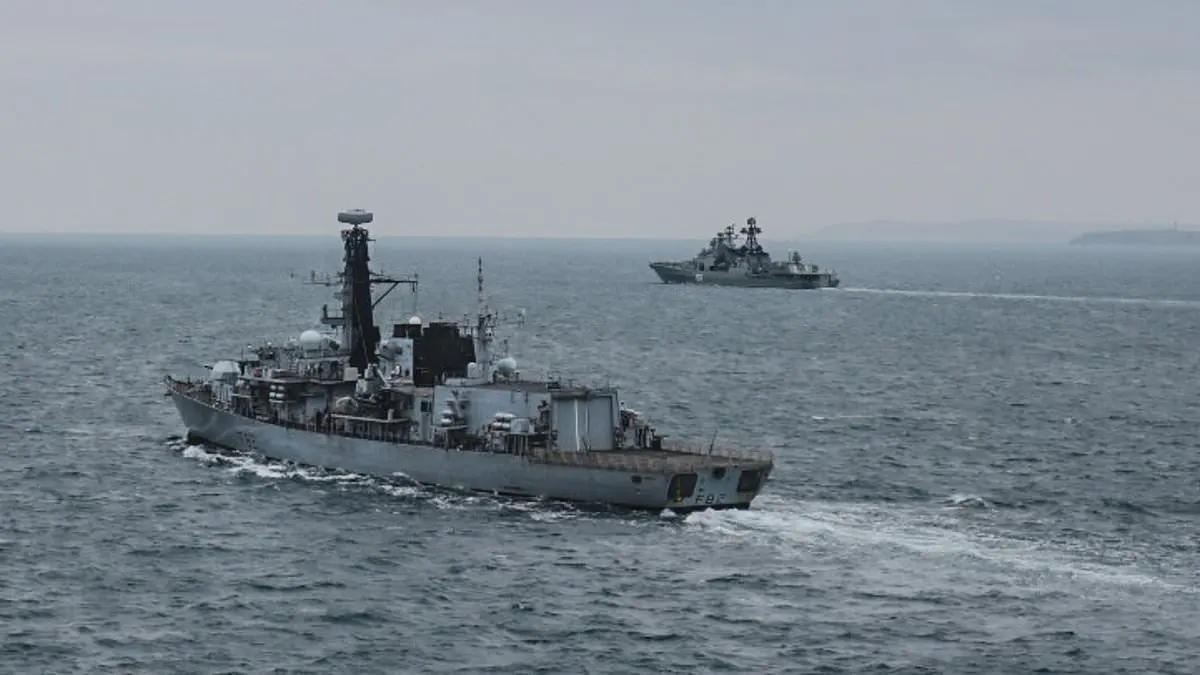
France has reportedly held talks with Italy, Spain and the Netherlands on how to cover North Atlantic defence gaps amid concern that the Royal Navy lacks available warships. The discussions matter because European allies are weighing how to meet maritime responsibilities as Russia becomes more belligerent and Britain struggles to provide ships for NATO commitments.
The article says Britain recently asked Germany to provide a frigate for a NATO task group after sending HMS Dragon to the Mediterranean, while Dragon took three weeks to reach the region following a drone strike on RAF Akrotiri. The Government says defence spending will rise to 2.7 per cent of GDP by 2027 and 3 per cent by 2030, but details of the funding are due in a future spending review. Reports also suggest work on Type 26 and Type 31 frigates could be accelerated.
In short
- European allies are discussing how to cover North Atlantic patrol gaps.
- Britain has had to rely on Germany for a NATO maritime task group.
- Proposed spending rises are set out, but funding details remain pending.
Steelman: both sides, in good faith
The strongest fair case each way — we don't pick a winner.
The case for
With Russia posing a growing maritime challenge, France and other European allies have a strong reason to discuss how to cover NATO’s North Atlantic commitments when British ships are unavailable. Coordinating ships across several navies could help meet immediate operational needs and strengthen Europe’s ability to share responsibility for collective defence.
The case against
Arranging allied ships to fill gaps may be a sensible short-term measure, but it risks treating a symptom if Britain’s shortage of available warships reflects deeper problems in fleet capacity and readiness. Allies may reasonably argue that lasting security requires clear, funded plans to increase naval capability, rather than relying on repeated borrowing of ships for NATO duties.
Explained simply
NATO is a military alliance in which European countries and the United States agree to defend one another and plan joint operations. Its members provide ships for patrols and task groups, including in the North Atlantic, a major route for military and commercial traffic.
France, Britain, Italy, Spain, the Netherlands and Germany all contribute to European maritime defence. The Royal Navy is Britain’s navy, and its available ships affect how much the country can contribute to NATO alongside its allies.
Russia’s more assertive military activity has increased attention on the alliance’s ability to monitor and protect the sea. The issue also raises questions about how European countries share defence duties, and how Britain’s spending plans and future frigate programme may affect its contribution.
Read the full article at the source →
Originally published by Daily Mail as “Fresh embarrassment for Britain as European nations ‘discuss defending the Atlantic without the Royal Navy’ due to dire state of the fleet”.