Technology news and discussion on TalkFuse.
Countries agree Yerevan conservation roadmap as funding gap persists
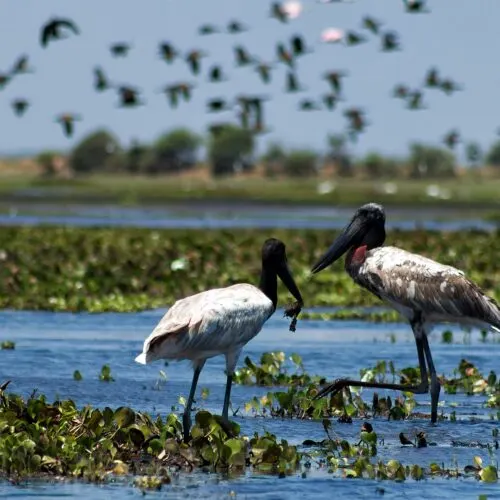
At a UN biodiversity summit in Yerevan, representatives from almost 200 countries agreed a new plan to speed up conservation after acknowledging that the world is off track to meet its 2030 nature goals. The Yerevan Pathway sets out stronger action before the next summit in Ecuador, including tackling harmful subsidies and improving support and monitoring.
A central obstacle is inadequate funding, including an agreed fund for companies benefiting from genetic resources that remains largely empty. Organisers said new commitments of nearly $2 billion were announced, among them a Dutch pledge of $500 million to Brazil’s Tropical Forest Forever Facility. Campaigners say far more is needed: a 2022 pledge envisaged $200 billion a year, while environmental funding for protected areas is projected to fall by 27 per cent over 2026–30.
In short
- Countries agreed a plan to accelerate progress on 2030 nature goals.
- Nearly $2 billion in new commitments were announced at the summit.
- Conservation funding remains far below what campaigners say is needed.
Steelman: both sides, in good faith
The strongest fair case each way — we don't pick a winner.
The case for
The roadmap gives countries a shared way to accelerate conservation, improve monitoring and address harmful subsidies before 2030, when current nature goals are at risk. New funding pledges, including support for Brazil’s forest facility, could help turn that agreement into practical action and build momentum for cooperation.
The case against
The agreement may offer too little to change the trajectory: the fund linked to companies benefiting from genetic resources remains largely empty, and announced commitments fall far short of the $200 billion annual pledge cited by campaigners. With protected-area funding projected to decline, a roadmap without adequate, reliable finance may not deliver the conservation results it promises.
Read the full article at the source →
Originally published by Ars Technica as “The world has a new plan to save nature, but it still needs the money”.